
 English
 русский
 Español
 Français
 Português
 عربى
عربى

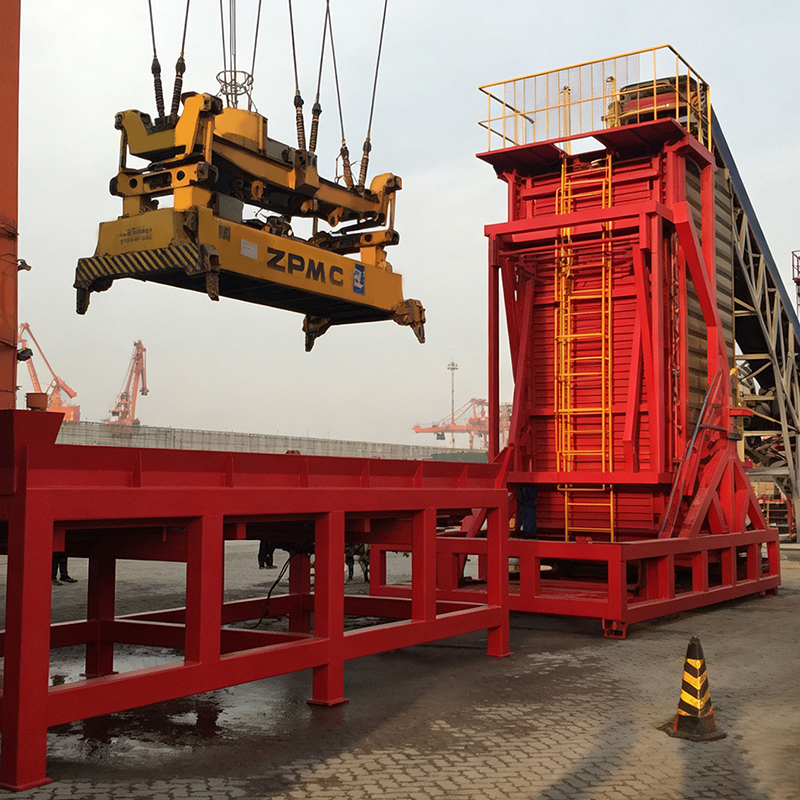
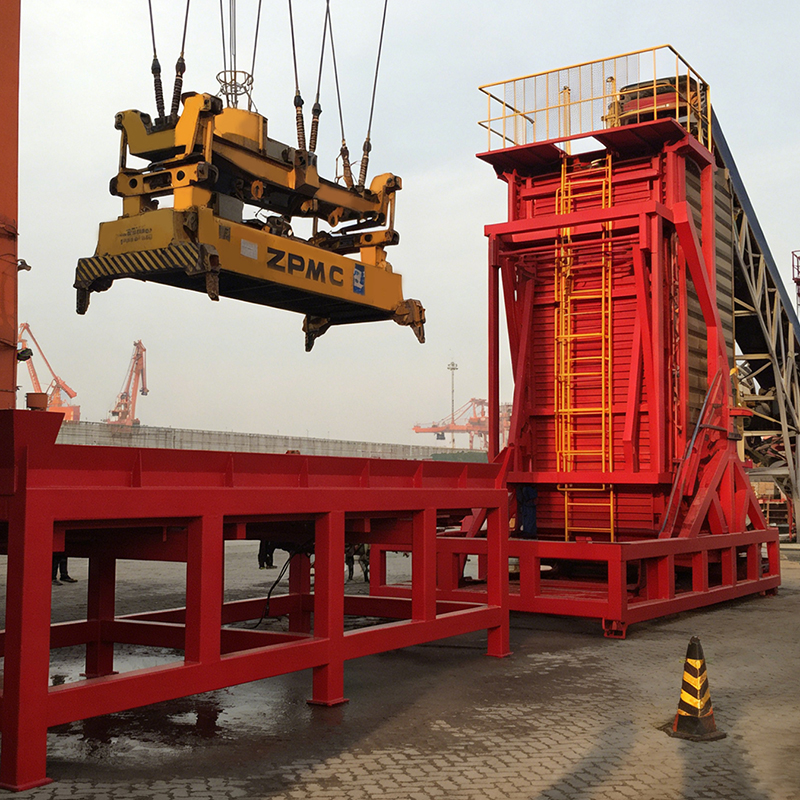
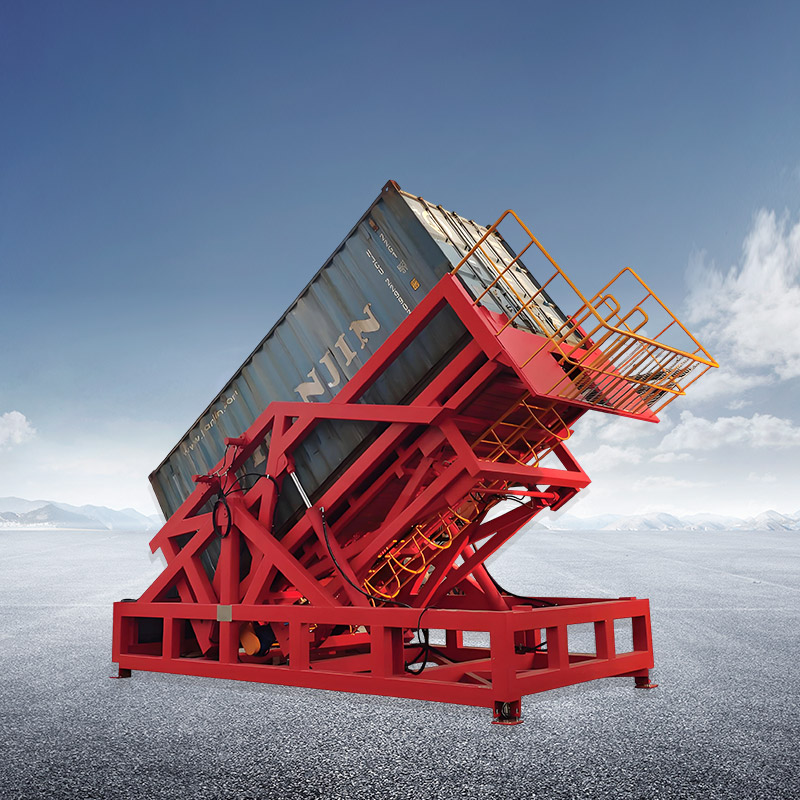
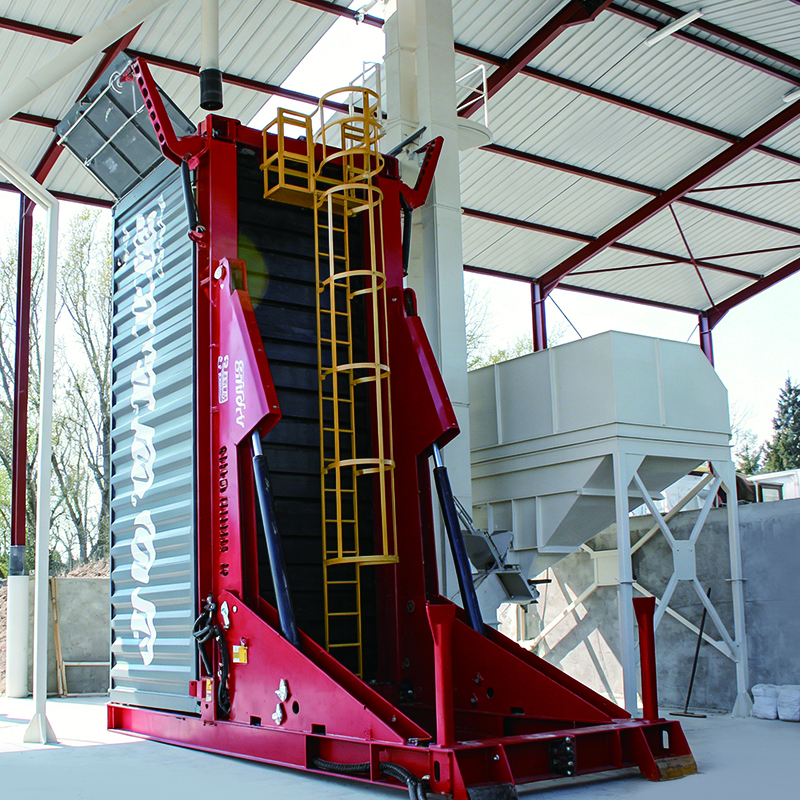
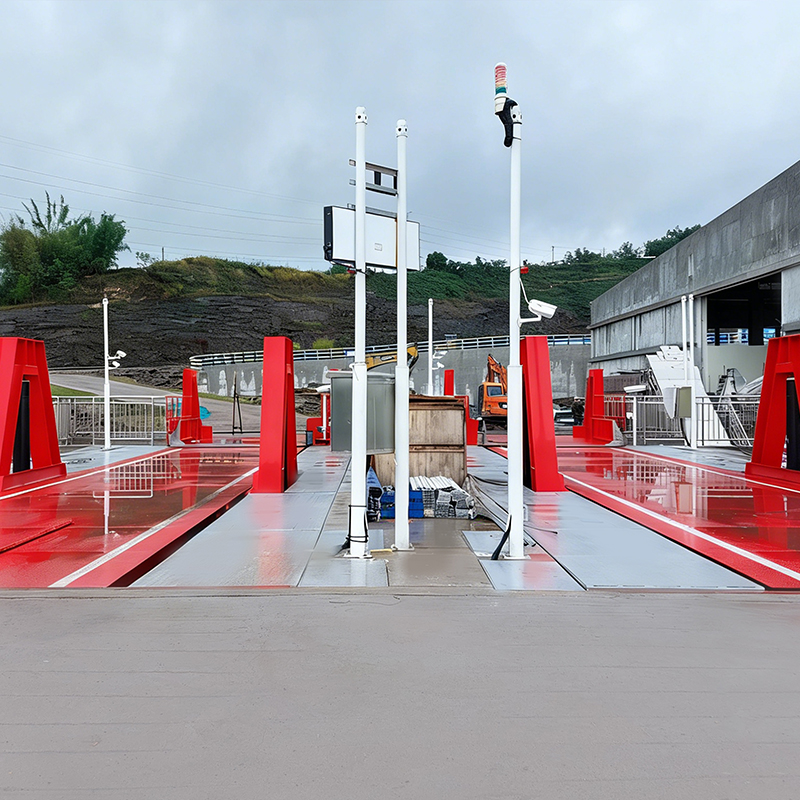
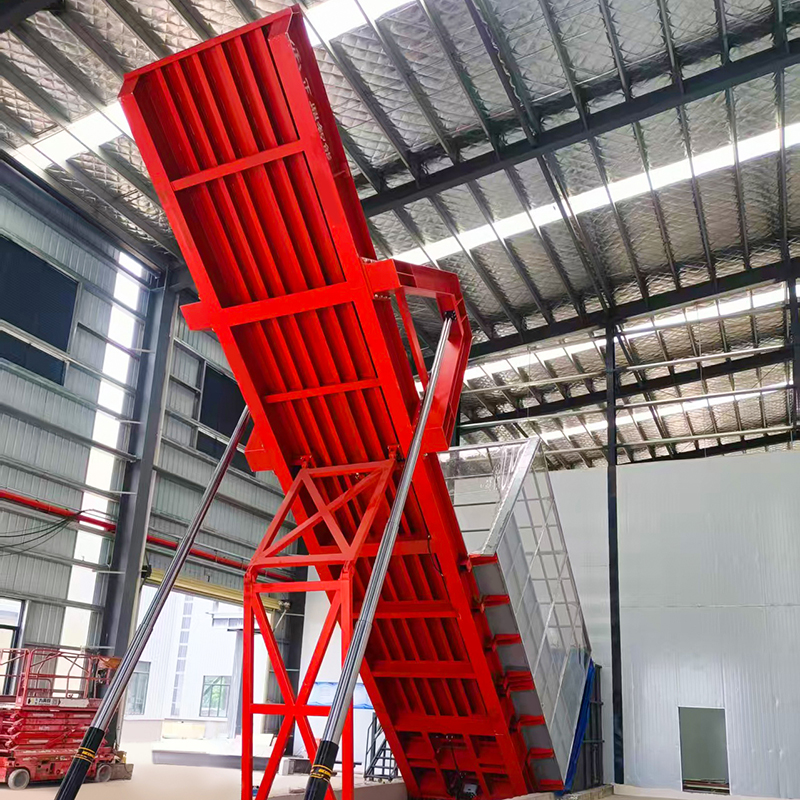
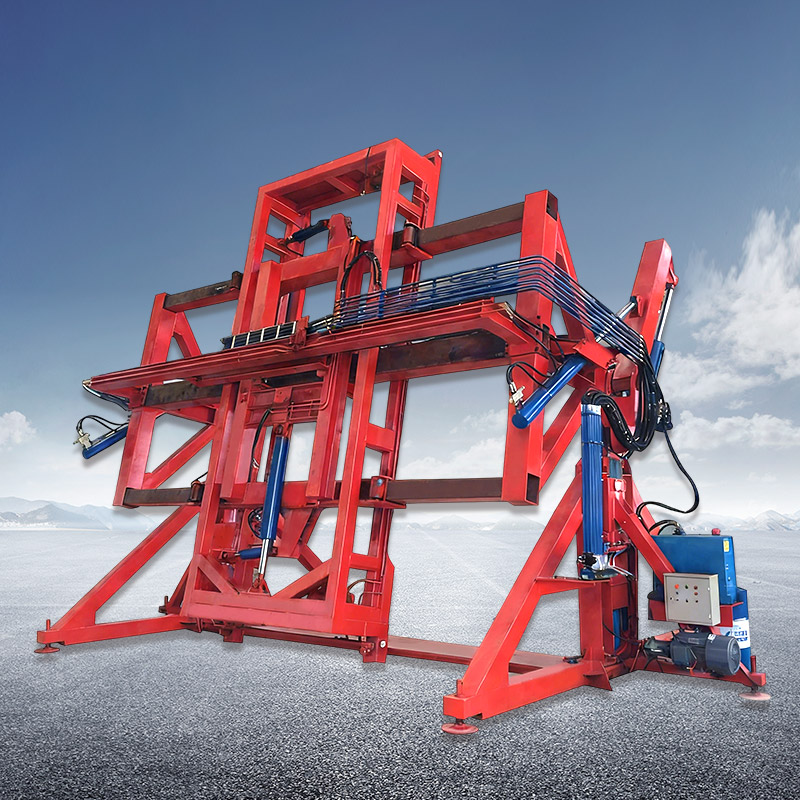
This equipment adopts an integrated design for loading and unloading, which can meet the operation requirements for both 20-foot and 40-foot containers. It is suitable for scenarios with high throughput and demanding operation rhythms, such as railway container central stations, inland ports, large logistics parks, and warehouses requiring rapid loading and unloading.

Continuous Container Handling System Factory
Product Features
1. Dedicated Container Feeder: The system is equipped with a dedicated container feeder that can automatically deliver containers onto the container tilting platform, greatly improving the operational efficiency of the crane.
2. Automatic Door Opening and Closing Mechanism: Can be configured with an automatic mechanism for opening and closing container doors, enhancing efficiency and reducing manual high-altitude or heavy physical labor.
3. Configurable Weighing Function: Can be configured with a weighing function to automatically complete weighing during the container circulation process.
4. Integrated Dual Functionality: It integrates the dual functions of "loading" and "unloading" into the same production line, eliminating the need to transfer containers between different equipment or areas. This greatly simplifies the operation process and saves site space.
P13
Main Technical Parameters
|
Model |
Size L*W/M |
Maximum lifting weight/T |
Maximum lifting angle |
|
TJXH 20 |
6*3 |
50 |
45°/60° |
|
TJXH 40 |
12*3 |
100 |
45°/60° |
SEND MESSAGE
Message Feedback
About Us
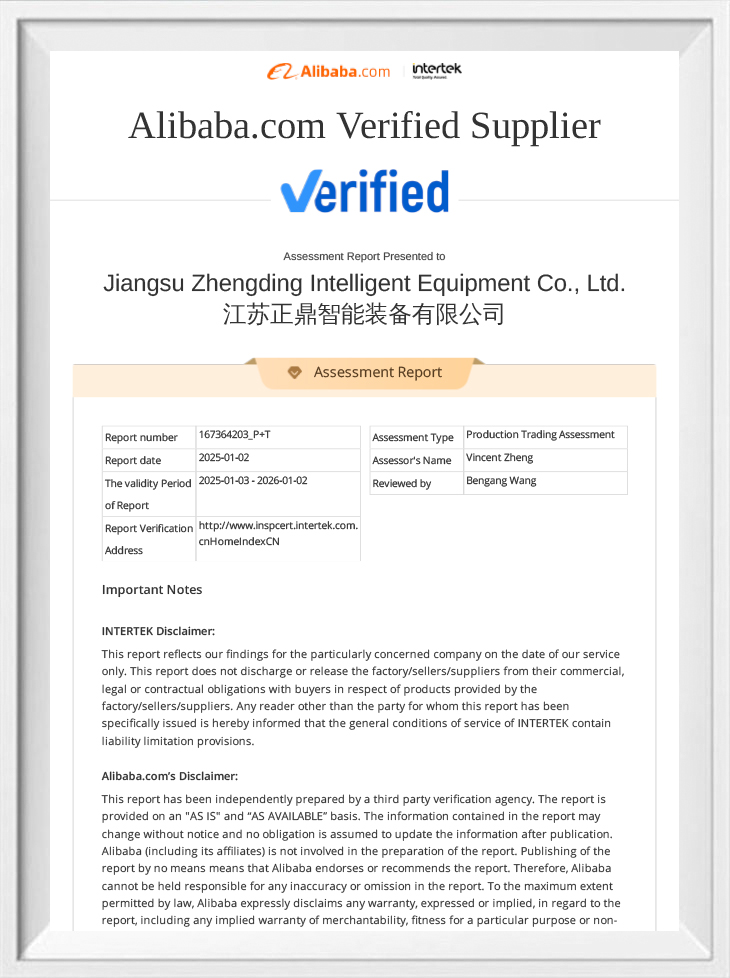
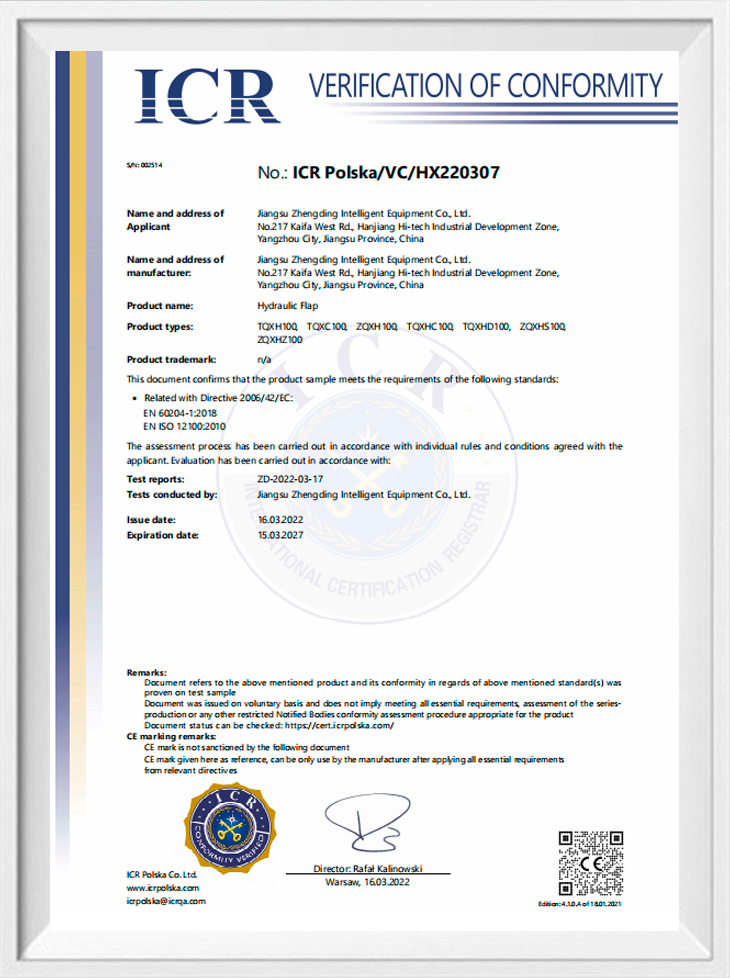
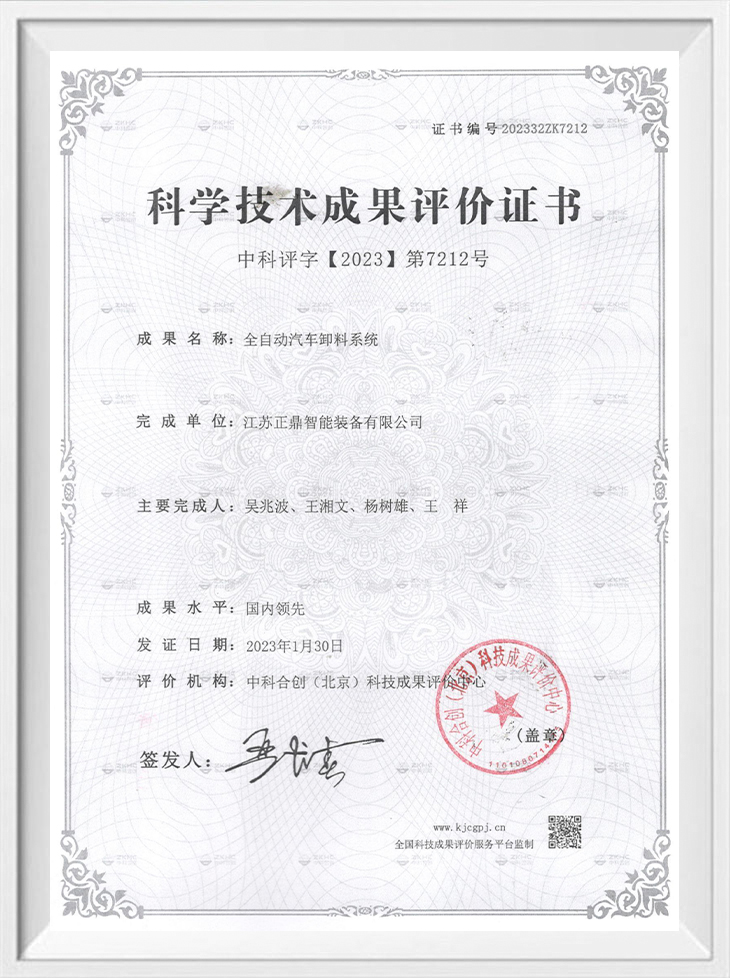
Jiangsu Zhengding Intelligent Equipment Co., Ltd.
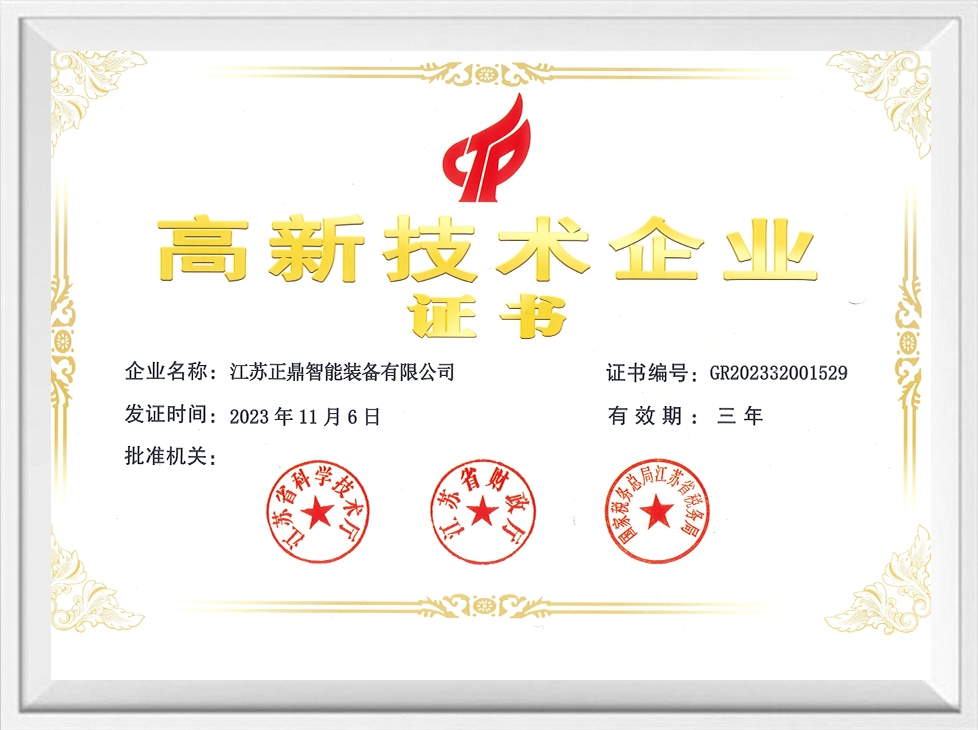
Jiangsu Zhengding Intelligent Equipment Co., Ltd. is a national high-tech enterprise mainly engaged in the research and development and manufacturing of intelligent logistics equipment. It can provide systematic solutions for the automatic loading and unloading of cars and containers for customers in different industries.
We are China Continuous Container Handling System Supplier and Custom Continuous Container Handling System Factory, the company wholeheartedly provides users with various types of automatic loading and unloading equipment such as rear dumpers, side dumpers, car loading equipment, container flippers, etc.; it is one of the companies with a relatively complete range of automatic loading and unloading equipment for cars and containers in China. The products are widely used in the steel, chemical, cement, coal, grain, oil and food industries, and are exported to Japan, Brazil, Egypt, Pakistan, India, the Middle East and Southeast Asian countries. Among them, the annual sales volume and technical performance of automatic loading and unloading equipment for cars are in the leading position in China. Typical international users include Budweiser, Heineken, Buhler Group, Wilmar International, Cargill, DuPont, Louis Dreyfuss, Charoen Pokphand Group, Saint-Gobain Group, etc.}
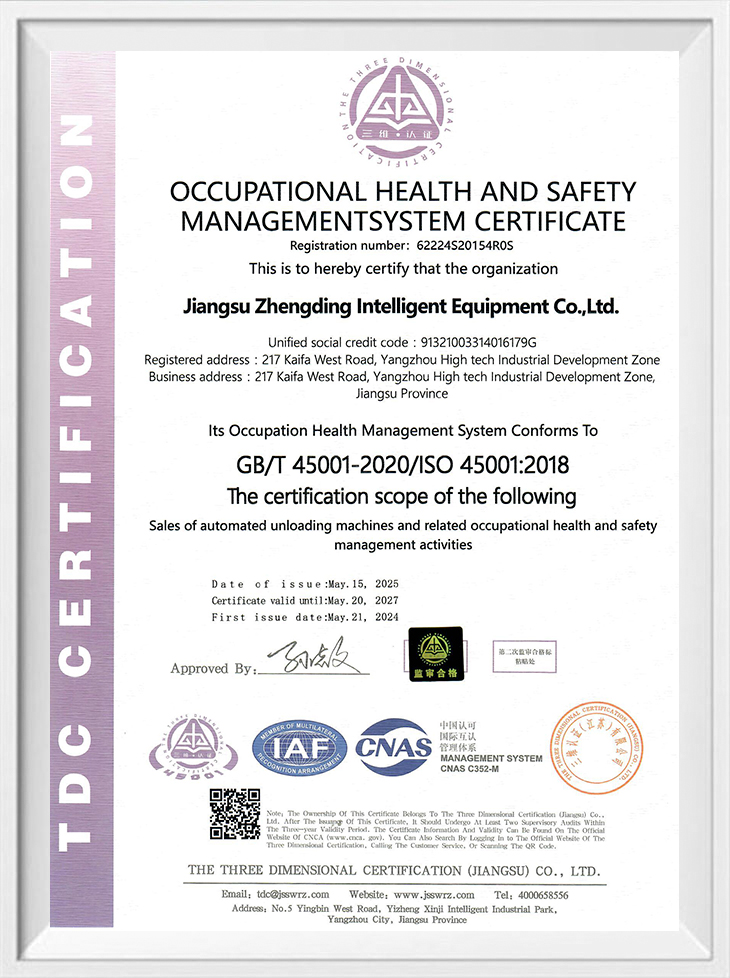
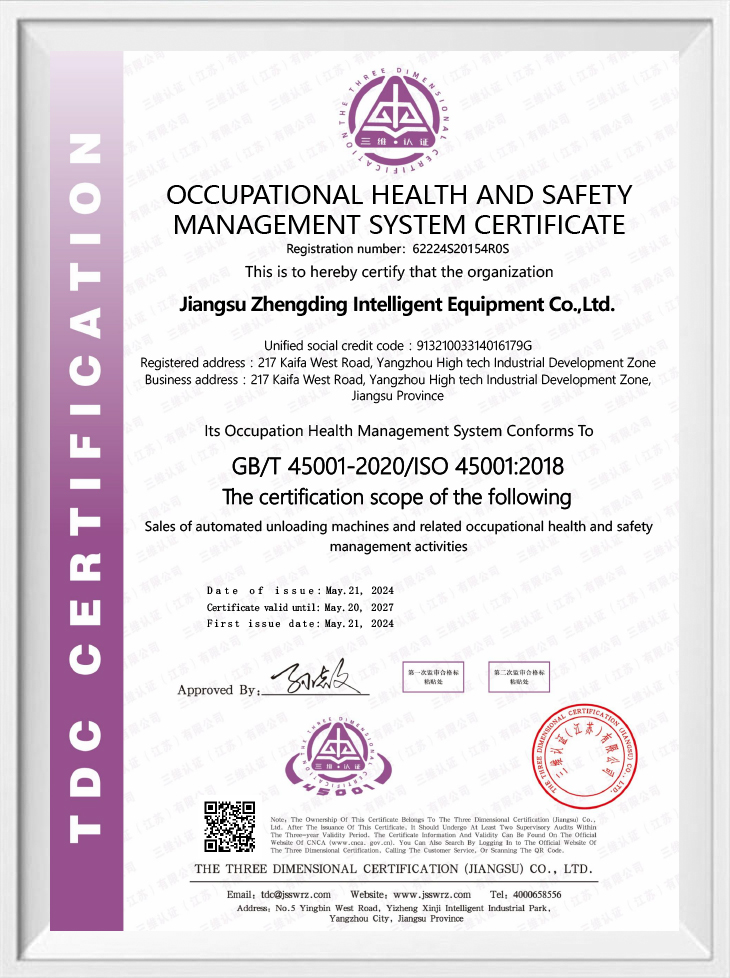
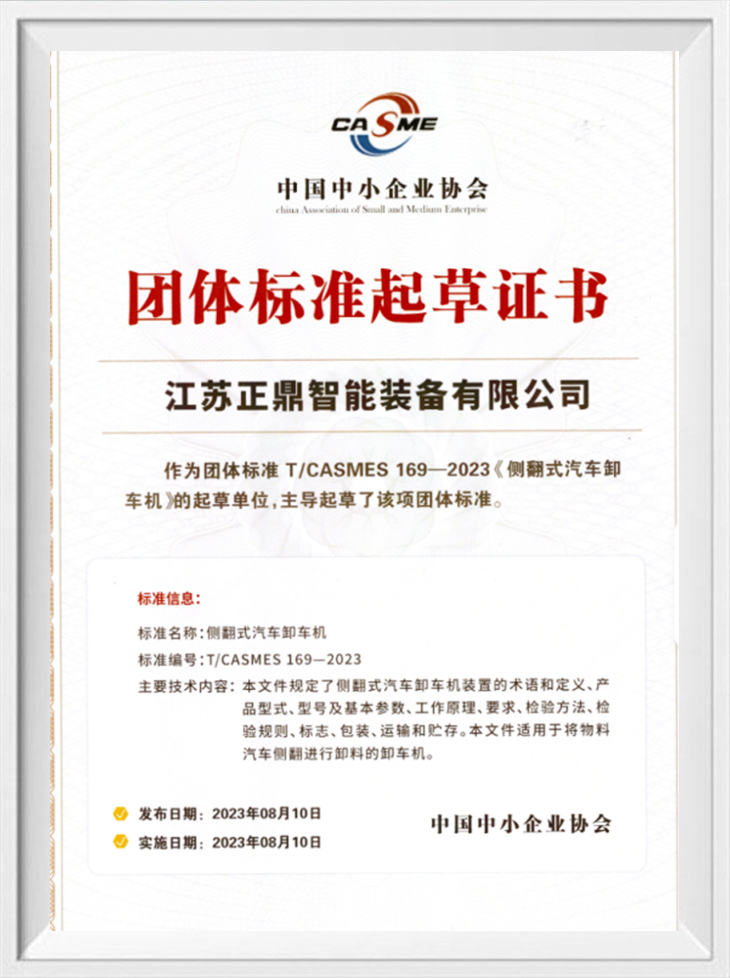
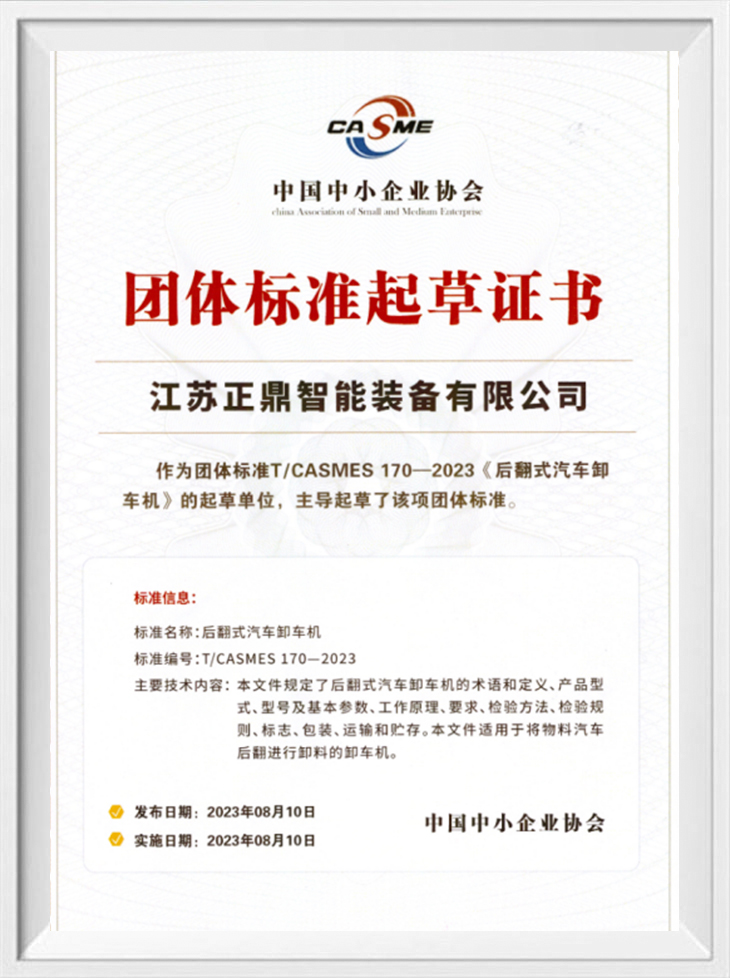
Certificate Of Honor
News
-
A feed mill that runs a grain intake line six days a week will push roughly 1,400 to 1,800 dump cycles through a single truck dumper in one quarter. Over those twelve weeks the hydraulic oil has been heated and cooled thousands of times, the pivot pins have carried the full weig...
READ MORE -
A ready-mix batching plant can have excellent mixers, accurate scales, and a modern control room, yet still lose output at the gate. The bottleneck is often material intake: aggregate trucks queue, cement tankers wait, and loader operators shuttle between stockpiles. For batchin...
READ MORE -
A 40-foot container of bagged resin arrives at 7:40 in the morning and the yard clock starts running. If two forklift operators need an hour and a half to strip that box by hand, one late arrival can push your inbound schedule into the night shift, and the demurrage bill follows...
READ MORE
Container Loading And Unloading Equipment Industry knowledge
1. Continuous Container Handling Versus Traditional Batch Methods
Continuous container handling refers to systems where containers move through loading or unloading stations without stopping, or where material flows uninterrupted while containers are positioned and removed simultaneously. This contrasts with traditional batch methods, where each container must be fully loaded or unloaded before the next one begins. Continuous systems utilize indexing conveyors, moving platforms, or parallel processing lanes to eliminate idle time between container changes.
Industry data from 2025 indicates that facilities transitioning from batch to continuous container handling achieve throughput increases of 55 to 85 percent using the same number of personnel and dock positions. The reduction in non productive time between containers is the primary driver of these gains.
(1) Key differences between continuous and traditional methods
- Container flow – Continuous: overlapping operations; Traditional: sequential start to finish.
- Equipment utilization – Continuous: typically 85 to 92 percent uptime; Traditional: 50 to 65 percent.
- Dwell time between containers – Continuous: under 30 seconds; Traditional: 3 to 8 minutes.
- Labor requirements – Continuous: consistent workload; Traditional: peaks and valleys.
Operational example: A port facility processing 150 containers per day using traditional batch methods required 14 hours of operation. After implementing continuous flow handling, the same facility processed 240 containers in 12 hours, representing a 60 percent increase in daily capacity.
2. Throughput and Efficiency Advantages of Continuous Handling
The most significant advantage of continuous container handling is the elimination of non productive intervals between containers. Traditional batch systems lose substantial time during container positioning, securing, releasing, and removal. Continuous systems overlap these activities with active loading or unloading.
(2) Containers per hour comparison – Horizontal bar chart
The bar chart shows that continuous handling systems typically process 2.5 to 3.5 times more containers per hour than single bay batch operations. This advantage becomes even more pronounced during peak demand periods when traditional systems become saturated.
(3) Cumulative throughput comparison – Step chart visualization
The step chart illustrates the fundamental difference between the two methods. Batch operations show plateaus between containers where no productive work occurs. Continuous operations maintain a steady productive flow, resulting in nearly double the cumulative throughput over an 8 hour shift.
3. Operational Stability and Quality Advantages
(4) Adoption rate by facility type – Column Chart
(5) Comparative radar – Continuous vs Traditional Container Handling
The radar chart demonstrates that continuous container handling provides advantages across throughput, equipment utilization, labor stability, space efficiency, and scalability potential. The most pronounced gaps are typically in throughput and equipment utilization where continuous systems achieve 30 to 45 percent higher scores.
(6) Comparative advantages table
| Performance Metric | Traditional Batch | Continuous Handling | Typical Difference |
|---|---|---|---|
| Containers per hour | 4 to 8 containers | 10 to 16 containers | 80 to 120 percent higher |
| Equipment idle time | 35 to 45 percent | 8 to 15 percent | 65 to 75 percent reduction |
| Container changeover time | 3 to 8 minutes | 20 to 45 seconds | 85 to 90 percent faster |
| Labor requirement variation | High peaks and valleys | Consistent steady state | Smoother work distribution |
The table summarizes the key performance differences between the two approaches. Continuous handling consistently delivers higher throughput, lower idle time, and faster changeovers, making it particularly suitable for high volume operations where dock space and equipment are constraints.
4. Enabling Continuous Flow with Jiangsu Zhengding Intelligent Equipment
Jiangsu Zhengding Intelligent Equipment Co., Ltd. is a national high-tech enterprise mainly engaged in the research and development and manufacturing of intelligent logistics equipment. It can provide systematic solutions for the automatic loading and unloading of cars and containers for customers in different industries.
The company wholeheartedly provides users with various types of automatic loading and unloading equipment such as rear dumpers, side dumpers, car loading equipment, container flippers, etc. It is one of the companies with a relatively complete range of automatic loading and unloading equipment for cars and containers in China. The products are widely used in the steel, chemical, cement, coal, grain, oil and food industries, and are exported to Japan, Brazil, Egypt, Pakistan, India, the Middle East and Southeast Asian countries. Among them, the annual sales volume and technical performance of automatic loading and unloading equipment for cars are in the leading position in China. Typical international users include Budweiser, Heineken, Buhler Group, Wilmar International, Cargill, DuPont, Louis Dreyfuss, Charoen Pokphand Group, Saint-Gobain Group, etc.
Zhengding's automated container handling systems are engineered to support continuous flow operations through features such as rapid container positioning, automated clamping, and synchronized infeed and outfeed conveyors. The company's solutions help facilities transition from batch to continuous processing with minimal infrastructure changes.
5. Frequently Asked Questions
Q1: What is the minimum throughput to justify continuous handling equipment?
A1: Continuous container handling systems typically become cost effective at 15 to 20 containers per day per loading bay. Facilities processing over 50 containers daily generally achieve payback within 18 to 24 months. The threshold varies based on labor rates, demurrage charges, and available dock space.
Q2: Can existing batch equipment be converted to continuous operation?
A2: Partial conversion is possible through automated container positioning systems and conveyor integration. However, full continuous flow typically requires dedicated equipment designed for overlapping operations. Many facilities start by converting one loading bay to continuous flow as a pilot, then expand based on results.
Q3: How does continuous handling affect container damage rates?
A3: Continuous systems typically reduce container damage because containers are moved less frequently and with more controlled motion. Traditional batch methods often involve multiple repositioning moves. Industry data suggests 15 to 25 percent fewer container damage incidents with continuous flow methods, as containers are indexed into position only once and held securely throughout the operation.

RESEARCH AND DEVELOPMENT, MANUFACTURING AND SALES OF VARIOUS
AUTOMATED LOADING AND UNLOADING EQUIPMENT FOR AUTOMOBILES, CONTAINERS, SHIPS, ETC.
-
 CONTACT NUMBER
+86-13588556918
-
 ADDRESS
217 Kaifa West Road, Hanjiang District, Yangzhou City, Jiangsu Province China
-
 SAY HELLO
cnwzb@163.com
COMPANY
MOBILE TERMINAL
