

 English
 русский
 Español
 Français
 Português
 عربى
عربى



+86-13588556918
Content
- 1 What a Truck Dumper Does and How It Actually Works
- 2 Side-Turn Truck Dumpers: When Lateral Unloading Makes Sense
- 3 Where Truck Dumpers and Container Handling Equipment Are Used
- 4 Container Loading And Unloading Equipment Beyond the Truck Bed
- 5 Connecting Truck Dumpers to Oat Processing Equipment and Grain Intake Lines
- 6 Comparing Cycle Time Across Common Dumper Configurations
- 7 Safety Monitoring and Control Features Worth Understanding
- 8 Practical Steps for Selecting the Right Handling Equipment
- 9 About Jiangsu Zhengding Intelligent Equipment Co., Ltd.
- 10 Frequently Asked Questions
- 10.1 Q1: What is the main difference between a truck dumper and container handling equipment?
- 10.2 Q2: When should a facility choose a Side-Turn Truck Dumper over a rear tipping design?
- 10.3 Q3: How does a truck dumper connect to oat processing equipment at a grain facility?
- 10.4 Q4: What safety features are commonly found on modern truck dumpers?
- 10.5 Q5: Can the same yard use both a truck dumper and container handling equipment?
- 10.6 Q6: What should be confirmed first before ordering a truck dumper?
The direct answer for buyers evaluating Container And Truck Handling Equipment is this: the right choice depends almost entirely on how the load leaves the vehicle, not on the size of the machine. A facility unloading loose bulk material such as grain, coal, or ore generally needs a hydraulic Truck Dumper that tips the entire vehicle, while a facility moving shipping containers needs dedicated container handling gear built around lifting, rotating, or securing a rigid steel box rather than tipping a full truck bed. Getting this distinction right at the planning stage prevents costly retrofits later and keeps unloading cycle times predictable across a busy receiving yard. This guide walks through how truck dumpers work, when a side turn design outperforms a rear tipping design, how container loading and unloading equipment fits into the same yard, and how these systems connect into downstream processing lines such as oat processing equipment at grain intake facilities.
What a Truck Dumper Does and How It Actually Works
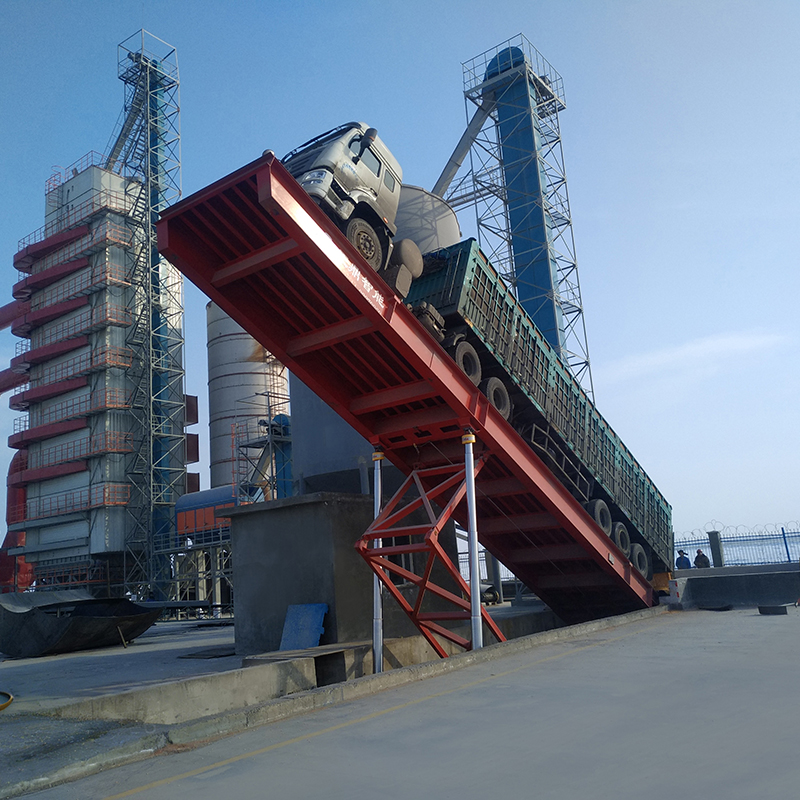
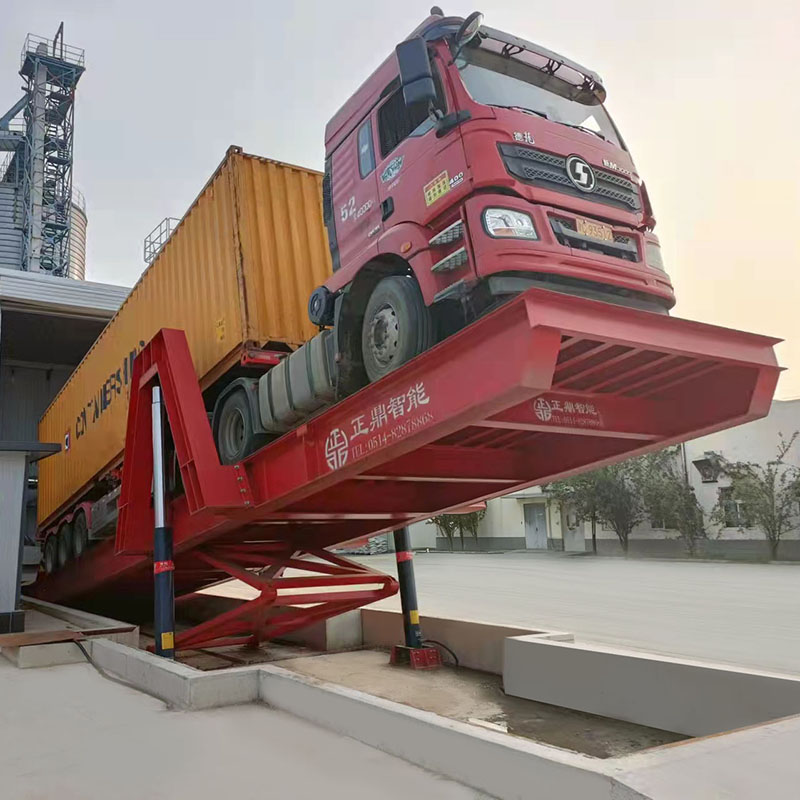
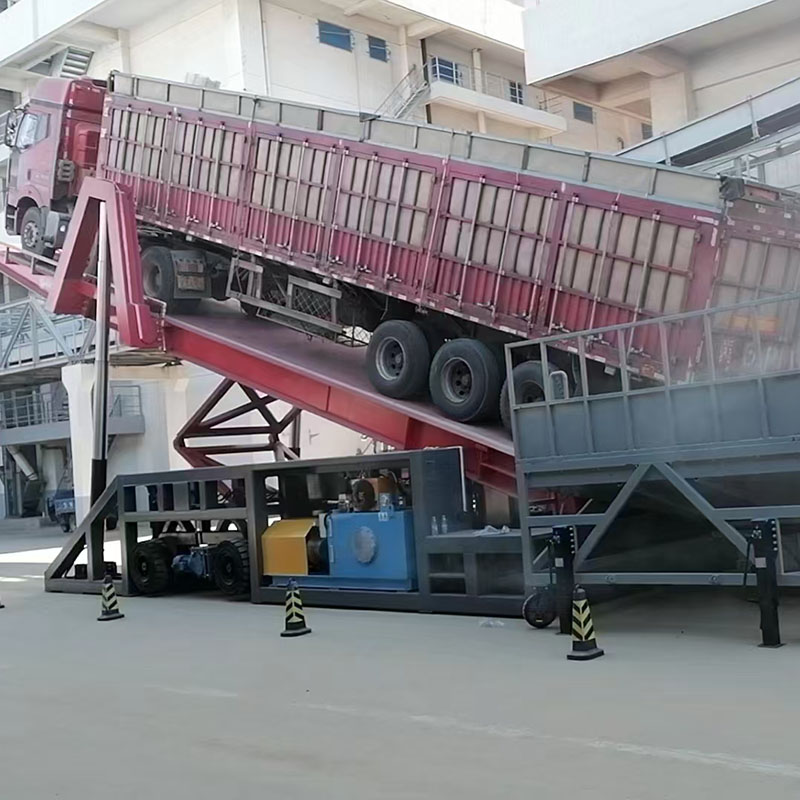
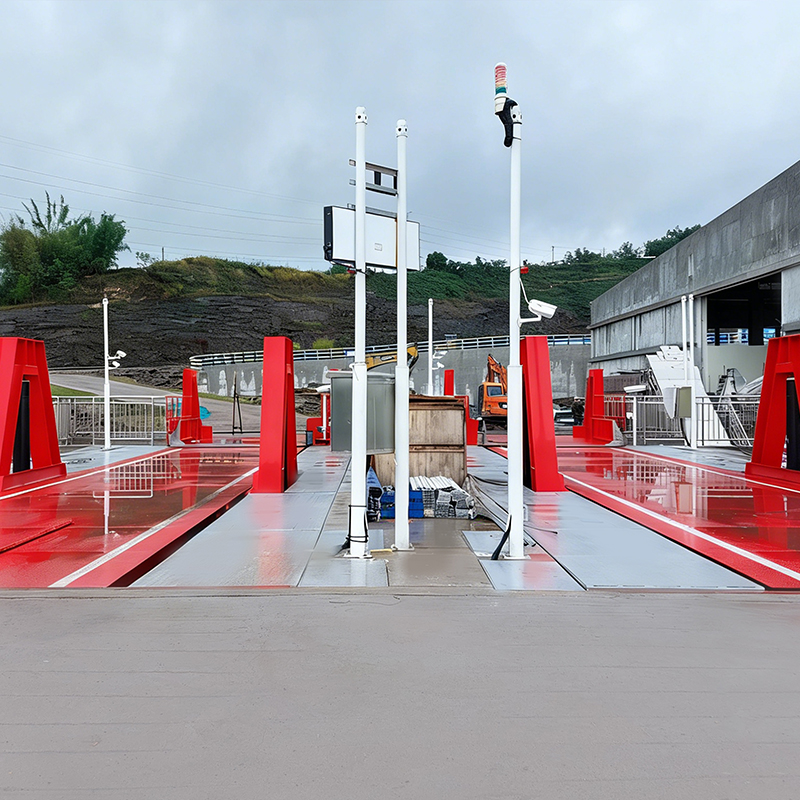
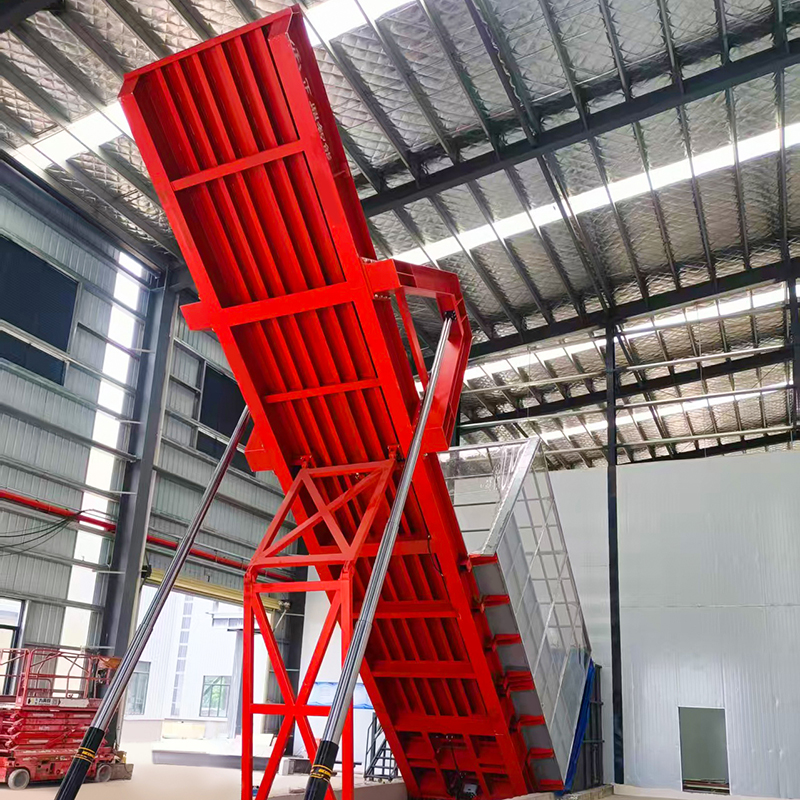
A Truck Dumper is a stationary hydraulic platform that lifts and tilts an entire truck or trailer so that gravity pulls the bulk cargo out through the tailgate or side panel, rather than requiring the material to be shoveled or conveyed out manually. According to a general description of this equipment category published by Civil Tutorials in 2025, a truck dumper works through a hydraulic system that raises one end of the vehicle while a control unit manages hydraulic pressure and safety locks prevent slippage during the tipping motion. This basic principle is shared across nearly every truck dumper design, whether it is built for a small regional grain depot or a large port terminal handling steel coil trailers.
The core components found in most truck dumper installations include a lifting platform sized to the truck wheelbase, a hydraulic power unit that supplies lifting force, a set of mechanical safety locks that hold the platform in position once tilted, and a control station where the operator manages the lifting and lowering sequence. Because the entire loaded vehicle is lifted rather than just the cargo body, the platform and its foundation need to be engineered around the maximum gross vehicle weight expected at that site, which is one of the first specifications a buyer should confirm before ordering equipment.
Side-Turn Truck Dumpers: When Lateral Unloading Makes Sense
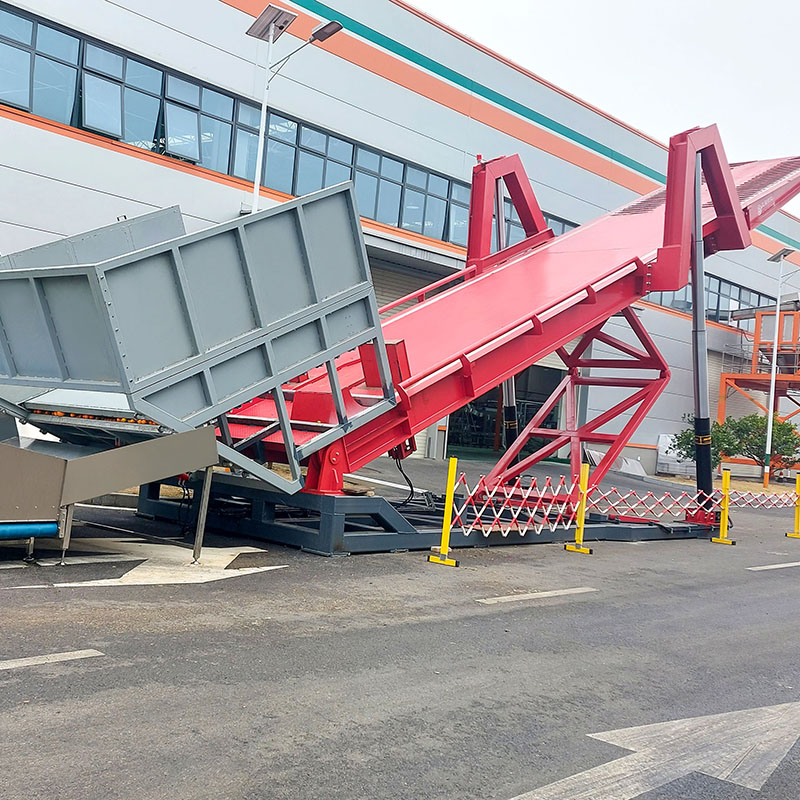
The short answer is that Side-Turn Truck Dumpers earn their place whenever rear clearance is limited or the receiving hopper sits beside the vehicle rather than behind it. Instead of lifting the front of the truck so material falls out the rear, a side turn dumper rotates the platform laterally so the load discharges from one side, which fits naturally into yards where trucks arrive and depart along a single lane without needing to back into a rear discharge pit. Civil Tutorials' overview of dumper types describes side dumping as particularly suitable for narrow spaces where rear discharge is difficult, since the truck does not need the same length of clear space behind it that a rear tipping design requires.
| Configuration | Discharge Direction | Space Requirement | Common Fit |
|---|---|---|---|
| Rear Truck Dumper | Out the tailgate | Clear space behind the vehicle | Open yards, long straight receiving lanes |
| Side-Turn Truck Dumper | Out one side panel | Clear space beside the vehicle | Narrow yards, single lane traffic flow |
| Container Flipper | Container rotated as a unit | Overhead and lateral clearance | Port terminals, container depots |
Choosing between a rear and a side turn configuration usually comes down to the physical footprint of the receiving yard rather than the type of material being handled, since both designs can move similar bulk cargo once properly sized. Facilities that already operate a single traffic lane, with trucks entering and leaving in the same direction, tend to find a side turn dumper easier to integrate because trucks never need to reverse into position, which shortens the overall unloading cycle and reduces the chance of misalignment during backing maneuvers.
Where Truck Dumpers and Container Handling Equipment Are Used
Container And Truck Handling Equipment is used across a wide span of industries, and understanding this spread helps explain why manufacturers design modular platforms rather than a single fixed configuration. Bulk unloading equipment of this kind commonly appears at steel mills receiving raw ore or scrap, chemical plants receiving powder or granular feedstock, cement plants receiving clinker or aggregate, coal handling terminals, and grain and food processing sites receiving raw cereal crops. The chart below illustrates a general, representative split of where this class of equipment tends to be deployed across these industries.
This distribution shows why manufacturers who build both truck dumpers and container handling equipment tend to serve customers across several unrelated sectors rather than a single industry, since the underlying hydraulic tipping and lifting technology transfers well between grain terminals, steel yards, and chemical intake docks. Grain and food processing sites often stand out within this mix because unloading speed directly affects how quickly a receiving line can move raw crop into storage or into equipment such as oat processing equipment, where delays at the truck dumper stage can back up the entire intake schedule. Steel and coal facilities tend to prioritize durability and heavy load capacity over cycle speed, since the material itself is denser and the trucks involved are often larger. Recognizing which segment a facility falls into helps narrow down the right combination of lifting capacity, platform size, and discharge configuration before equipment is ordered.
Container Loading And Unloading Equipment Beyond the Truck Bed
Container Loading And Unloading Equipment covers a different problem than bulk truck dumping, since a shipping container is a rigid, sealed steel box rather than an open bed carrying loose material. Instead of tipping the vehicle, this category of equipment typically lifts, rotates, or clamps the container itself, which then allows the contents to be tipped, conveyed, or manually unloaded through the container doors once it is in the correct orientation. Container flippers and rotating cradles are common examples, designed to rotate a loaded container through a controlled arc so bulk contents such as grain or minerals slide out without needing the container to be unbolted from its transport chassis first.
Because containers arrive in standardized sizes, this equipment tends to be built around fixed lifting points and clamp geometries rather than the more variable wheelbase considerations that apply to truck dumpers. A well designed container handling line reduces the number of separate lifts needed to move a container from the truck chassis to the discharge point, which shortens total dwell time in the yard and reduces wear on the lifting hardware from repeated handling cycles.
Connecting Truck Dumpers to Oat Processing Equipment and Grain Intake Lines
For facilities handling cereal crops, the truck dumper is often the very first step in a much longer intake chain that eventually feeds into cleaning, drying, and milling stages, including oat processing equipment further down the line. A truck dumper positioned at the intake point lifts and tilts the arriving grain truck so raw oats or other cereal crops discharge directly into a receiving pit or hopper, from which conveyors or bucket elevators carry the material toward cleaning and processing equipment. Keeping this handoff smooth matters because oat processing equipment generally performs best with a steady, consistent feed rate rather than large uneven surges of material arriving all at once.
Coordinating truck dumper cycle time with the intake capacity of downstream oat processing equipment helps avoid two common bottlenecks: trucks queuing at the yard entrance because the dumper cannot cycle fast enough, or the receiving pit overflowing because the dumper empties trucks faster than the processing line can absorb the material. Facility planners typically size the receiving hopper and conveyor capacity around the truck dumper cycle time specifically to avoid both of these outcomes, which is why truck dumper selection should never be treated as an isolated purchase separate from the rest of the grain handling layout.
Comparing Cycle Time Across Common Dumper Configurations
Cycle time, meaning how long it takes to receive a truck, lift and tip it, discharge the load, and lower the vehicle back to ground level, is one of the most practical metrics for comparing truck dumper configurations. The stacked chart below breaks a full cycle into its main stages for a rear tipping dumper versus a side turn dumper, illustrating where time is generally spent in each design.
This general breakdown reflects typical proportions rather than a single measured benchmark, since actual cycle times vary with truck size, load weight, and site layout. Positioning time tends to run shorter for side turn dumpers in single lane yards because trucks do not need to back into place, which is reflected in the shorter positioning segment shown above. Lift and tip duration is broadly similar between the two configurations since both rely on comparable hydraulic lifting principles. Discharge time can vary depending on how easily the specific bulk material flows, with finer material such as processed grain typically discharging faster than coarser aggregate. Facilities aiming to shorten total yard time often focus first on reducing positioning delays, since this stage is most directly affected by yard layout choices that are within the facility's own control.
Safety Monitoring and Control Features Worth Understanding
Modern hydraulic truck dumpers increasingly include payload monitoring and tip angle sensing as standard control features, which help operators avoid overloading the platform or tipping the vehicle at an unstable angle. A 2026 industry outlook on hydraulic truck dumpers noted that payload monitoring and tip angle sensors are used specifically to reduce accident risk and equipment damage by preventing overloading and unstable dumping conditions. This kind of monitoring works alongside the mechanical safety locks described earlier, giving operators a clearer real time picture of how the platform and vehicle are behaving throughout the lifting cycle.
This gauge illustrates the general concept of increasing operational awareness as more monitoring features are added to a truck dumper, rather than a fixed measured percentage tied to any single installation. A basic manually controlled dumper depends heavily on operator judgment and routine visual inspection to catch overloading or misalignment before it becomes a problem. Adding payload monitoring gives the operator a direct numeric reading of the load being lifted, which reduces guesswork during busy shifts with rapidly rotating trucks. A full sensor suite that also tracks tip angle and platform position provides the clearest overall picture, helping operators recognize unusual conditions earlier and respond before a minor issue develops into equipment damage or a stalled unloading cycle.
Practical Steps for Selecting the Right Handling Equipment
The following general steps reflect common practice when planning a new truck dumper or container handling line, and can help buyers narrow down specifications before contacting a manufacturer.
- Confirm the maximum gross vehicle weight and wheelbase range of trucks that will use the equipment, since the platform must be engineered around the heaviest expected load.
- Map the available yard space, including whether trucks can back into a rear discharge position or must move through in a single continuous lane, which points toward a rear or Side-Turn Truck Dumper design.
- Identify whether the facility also needs Container Loading And Unloading Equipment, since container handling gear is typically specified and installed separately from bulk truck dumping platforms.
- Match the receiving hopper and downstream conveyor capacity to the expected dumper cycle time, particularly at grain sites feeding oat processing equipment or similar continuous process lines.
- Discuss payload monitoring and tip angle sensing options with the equipment supplier during the planning stage, since retrofitting these features later is generally more disruptive than specifying them upfront.
About Jiangsu Zhengding Intelligent Equipment Co., Ltd.
Jiangsu Zhengding Intelligent Equipment Co., Ltd. is a national high-tech enterprise mainly engaged in the research and development and manufacturing of intelligent logistics equipment, providing systematic solutions for the automatic loading and unloading of cars and containers for customers across different industries. As a Custom Container And Truck Handling Equipment Company and Container And Truck Handling Equipment Supplier, the company wholeheartedly provides users with various types of automatic loading and unloading equipment such as rear dumpers, side dumpers, car loading equipment, and container flippers, making it one of the companies with a relatively complete range of automatic loading and unloading equipment for cars and containers in China.
The products are widely used in the steel, chemical, cement, coal, grain, oil and food industries, and are exported to Japan, Brazil, Egypt, Pakistan, India, the Middle East and Southeast Asian countries. The annual sales volume and technical performance of the company's automatic loading and unloading equipment for cars are in a leading position in China. Typical international users include Budweiser, Heineken, Buhler Group, Wilmar International, Cargill, DuPont, Louis Dreyfuss, Charoen Pokphand Group, and Saint-Gobain Group, reflecting the broad range of industries this equipment supports around the world.
Frequently Asked Questions
Q1: What is the main difference between a truck dumper and container handling equipment?
A Truck Dumper tips an entire loaded vehicle so bulk material discharges by gravity, while Container Loading And Unloading Equipment lifts, rotates, or clamps a rigid shipping container instead of tipping the transport vehicle itself.
Q2: When should a facility choose a Side-Turn Truck Dumper over a rear tipping design?
Side turn designs generally work best where rear clearance behind the truck is limited or where the yard layout moves trucks through a single continuous lane rather than allowing a full reverse into a rear discharge pit.
Q3: How does a truck dumper connect to oat processing equipment at a grain facility?
The truck dumper typically sits at the very start of the intake line, discharging raw grain into a receiving hopper that feeds conveyors and cleaning equipment leading toward oat processing equipment further down the process.
Q4: What safety features are commonly found on modern truck dumpers?
Common features include mechanical safety locks that hold the platform during tipping, along with payload monitoring and tip angle sensors that help operators avoid overloading or unstable dumping conditions.
Q5: Can the same yard use both a truck dumper and container handling equipment?
Yes, many facilities operate both systems side by side, since bulk truck unloading and container handling generally serve different cargo types and are specified as separate equipment lines within the same yard.
Q6: What should be confirmed first before ordering a truck dumper?
The maximum gross vehicle weight and wheelbase range of trucks expected at the site should be confirmed first, since the platform and foundation must be engineered around the heaviest load the equipment will handle.


