
 English
 русский
 Español
 Français
 Português
 عربى
عربى

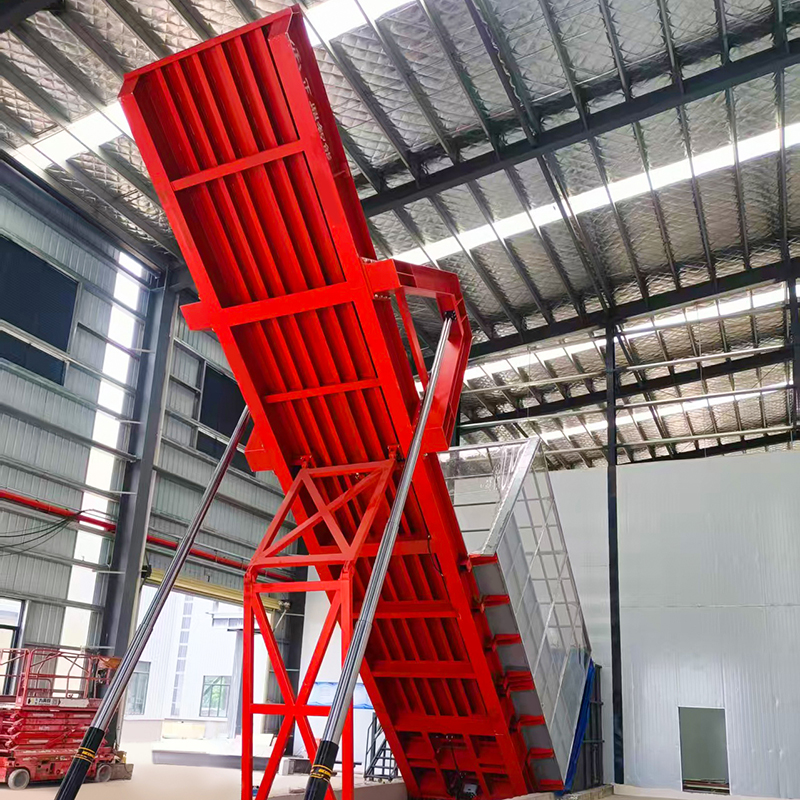
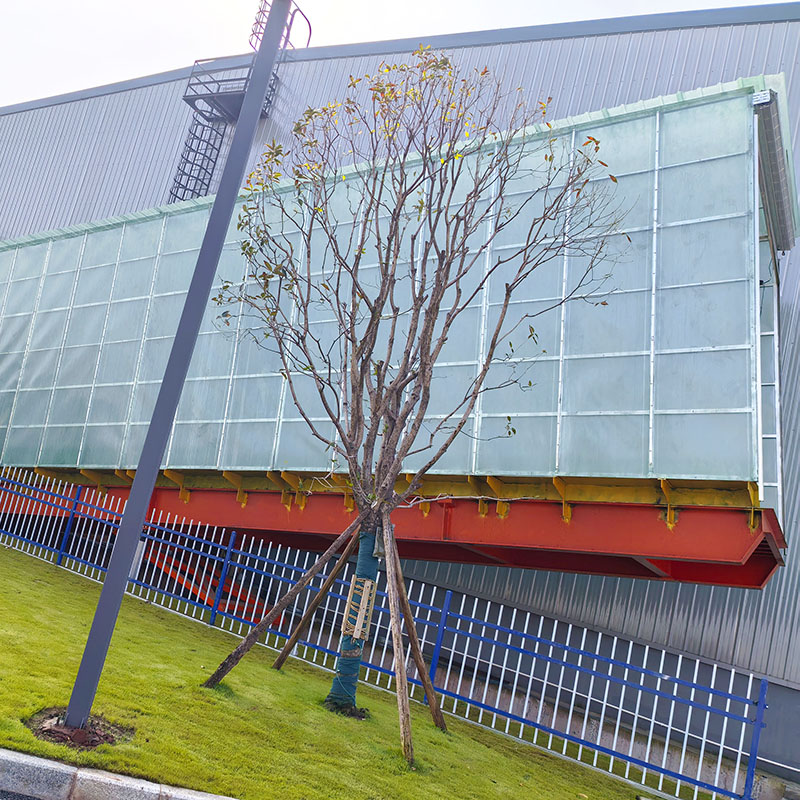
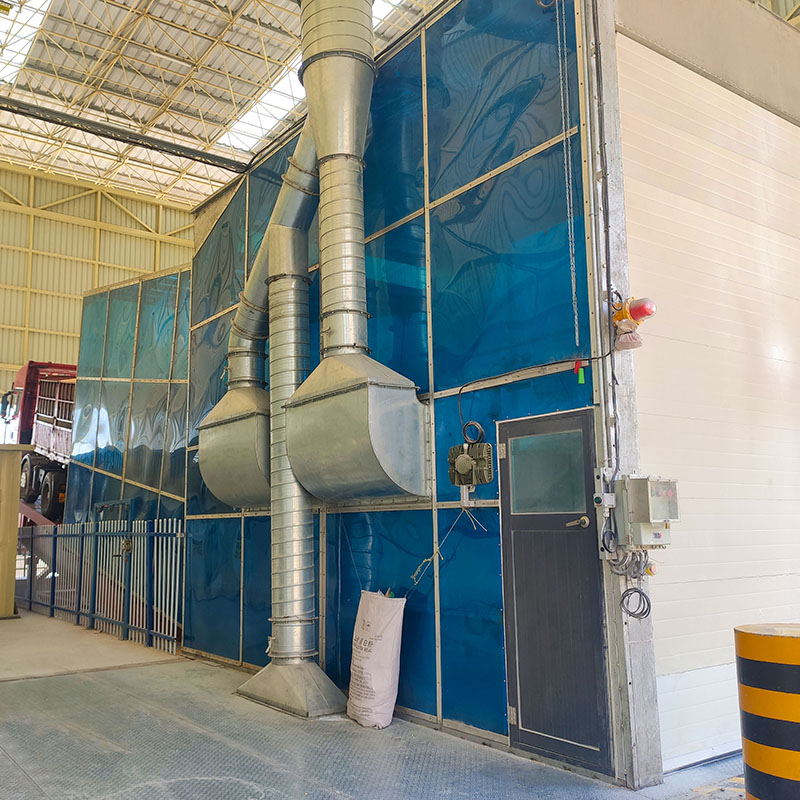
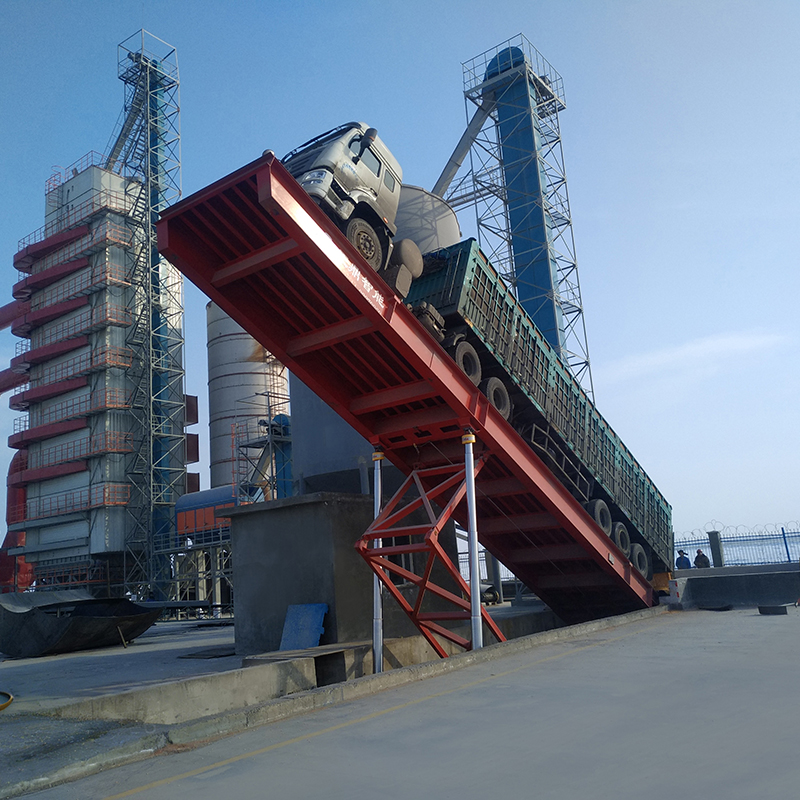
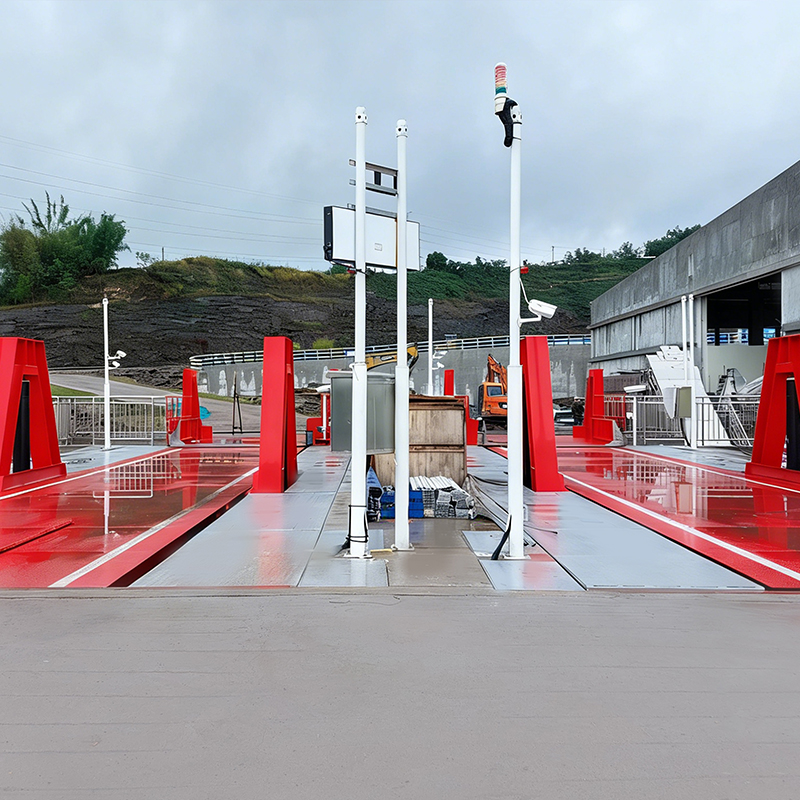
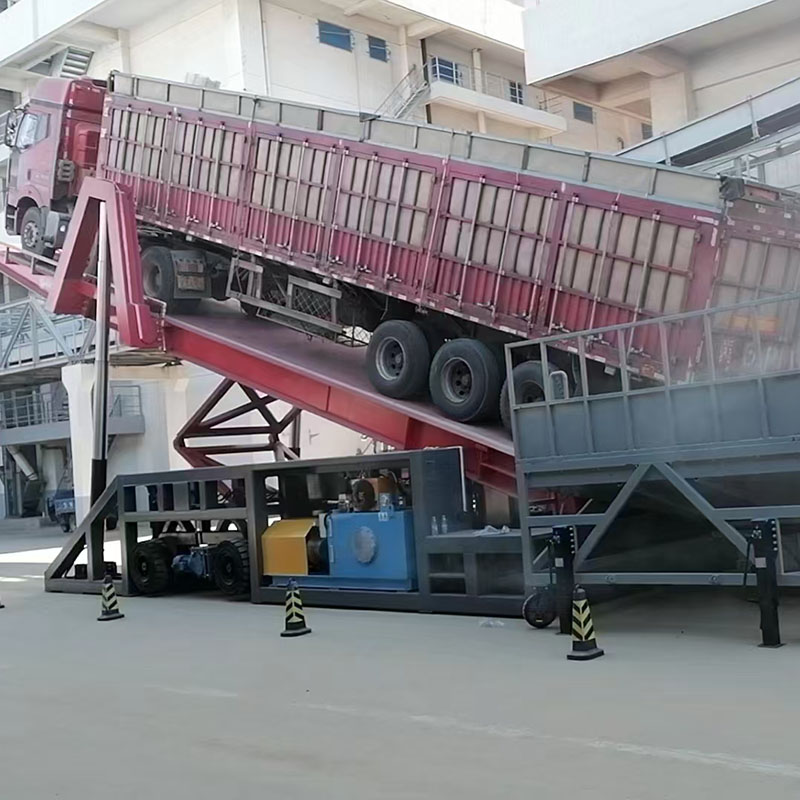
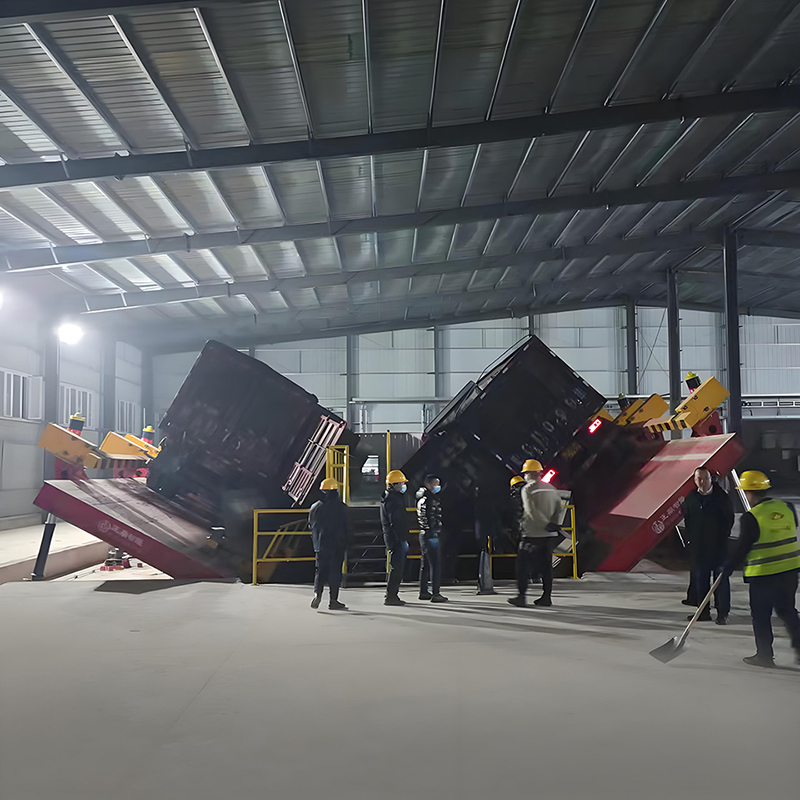
A sealed enclosure is used to prevent dust overflow. The pit enclosure and the truck dumper platform enclosure achieve a combination of dynamic and static sealing, which effectively controls the air intake area. It features excellent sealing performance and low energy consumption for the dust collection system, making it suitable for occasions with high environmental protection requirements.

Enclosed Truck Dumper with Dust Control System Factory
Product Characteristics
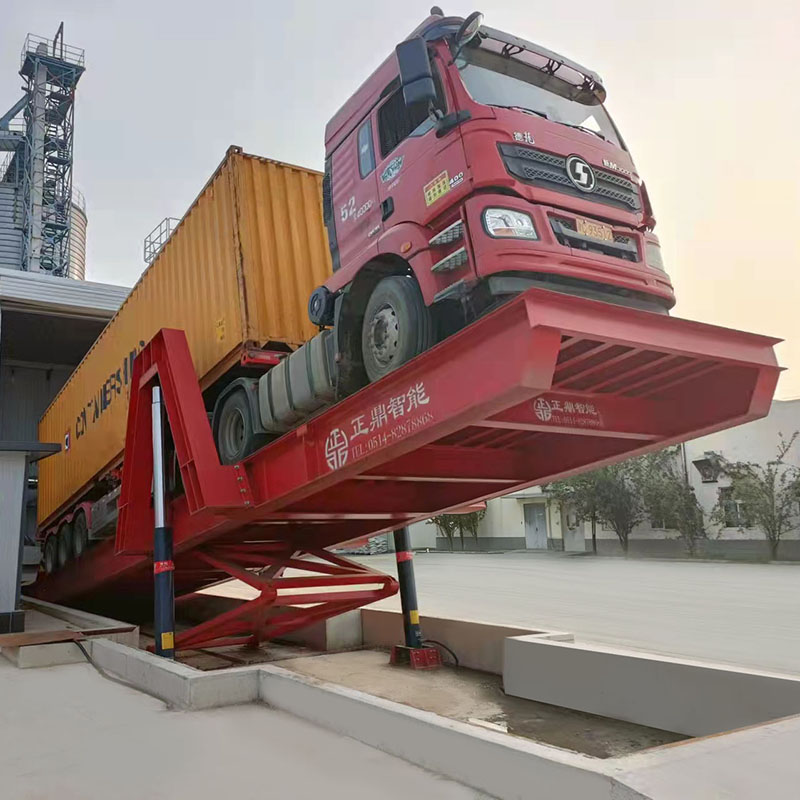
The high-precision oil cylinder synchronous stability system created by our company is adopted, which has high safety, small vibration during operation,small impact on the oil cylinder, and greatly prolongs the service life of the oil cylinder.
The first integrated dust removal design in China, which prevents dust from spilling out by controlling the air inlet area and the wind speed of the air inlet.
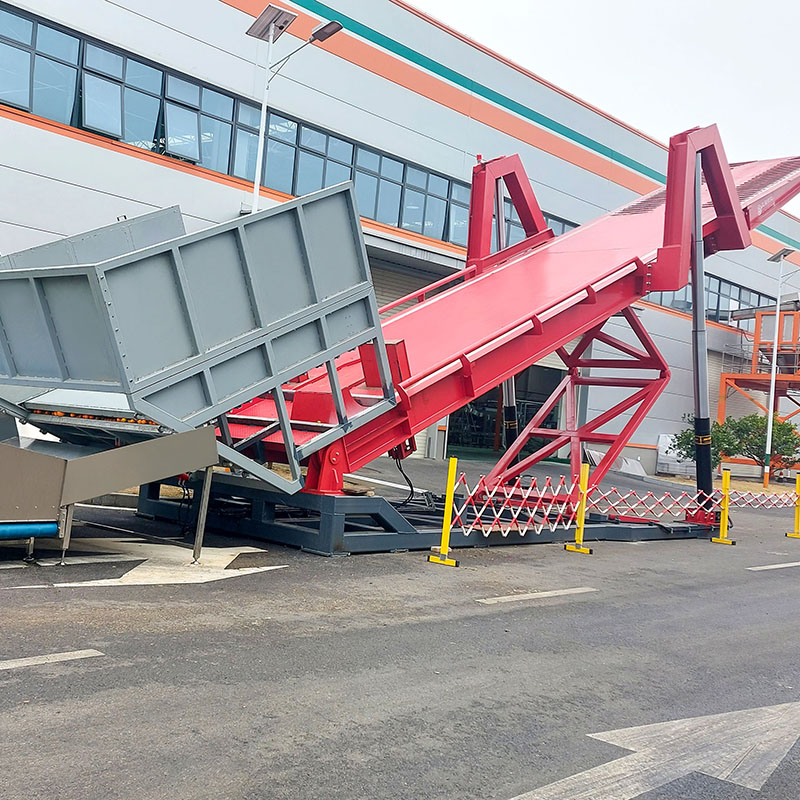
The structure is divided into two types: Semi-sealed and fully sealed, and can have its own dust removal system.
Main Technical Parameters
|
Model |
Size L*W/M |
Maximum lifting weight/T |
Maximum lifting angle |
|
TQXHF 50 |
14*3/16*3/17*3 |
80 |
45°/55° |
|
TQXHF 80 |
16*3/17*3/18*3 |
80 |
45°/55° |
|
TQXHF 100 |
17*3/18*3/20*3 |
100 |
45°/55° |
|
TQXHF 150 |
17*3/18*3/20*3 |
150 |
45°/55° |
SEND MESSAGE
Message Feedback
About Us
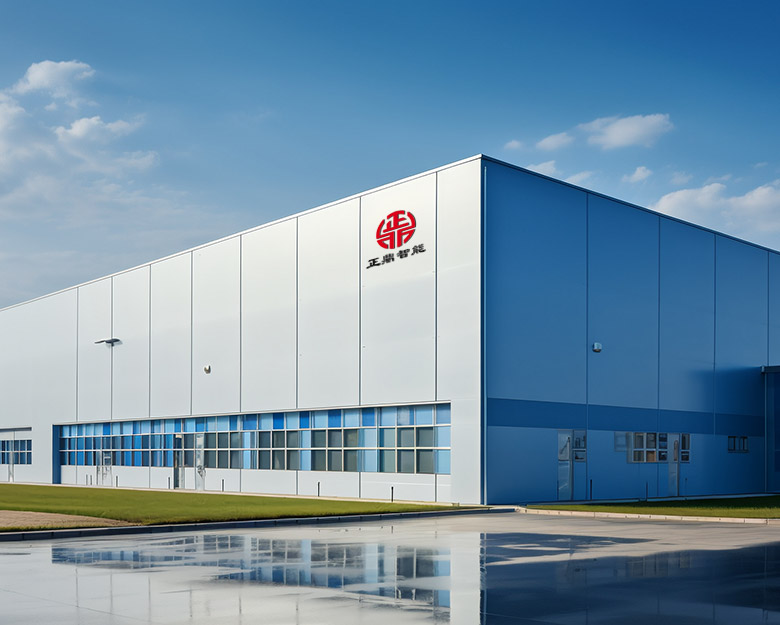
Jiangsu Zhengding Intelligent Equipment Co., Ltd.
Jiangsu Zhengding Intelligent Equipment Co., Ltd. is a national high-tech enterprise mainly engaged in the research and development and manufacturing of intelligent logistics equipment. It can provide systematic solutions for the automatic loading and unloading of cars and containers for customers in different industries.
We are China Enclosed Truck Dumper with Dust Control System Supplier and Custom Enclosed Truck Dumper with Dust Control System Factory, the company wholeheartedly provides users with various types of automatic loading and unloading equipment such as rear dumpers, side dumpers, car loading equipment, container flippers, etc.; it is one of the companies with a relatively complete range of automatic loading and unloading equipment for cars and containers in China. The products are widely used in the steel, chemical, cement, coal, grain, oil and food industries, and are exported to Japan, Brazil, Egypt, Pakistan, India, the Middle East and Southeast Asian countries. Among them, the annual sales volume and technical performance of automatic loading and unloading equipment for cars are in the leading position in China. Typical international users include Budweiser, Heineken, Buhler Group, Wilmar International, Cargill, DuPont, Louis Dreyfuss, Charoen Pokphand Group, Saint-Gobain Group, etc.}
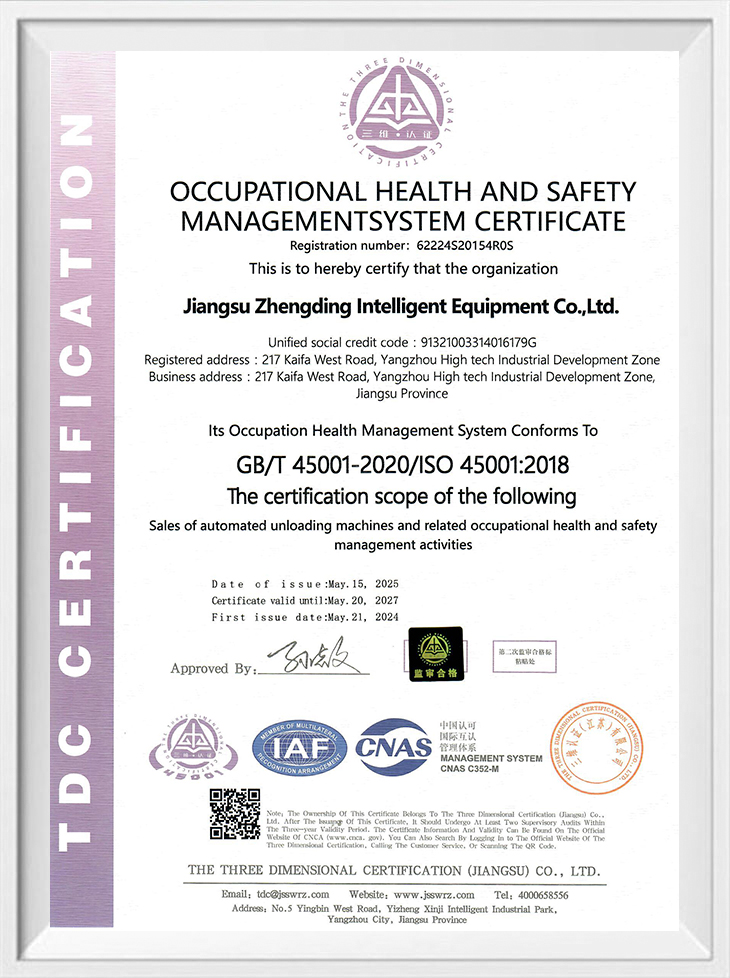
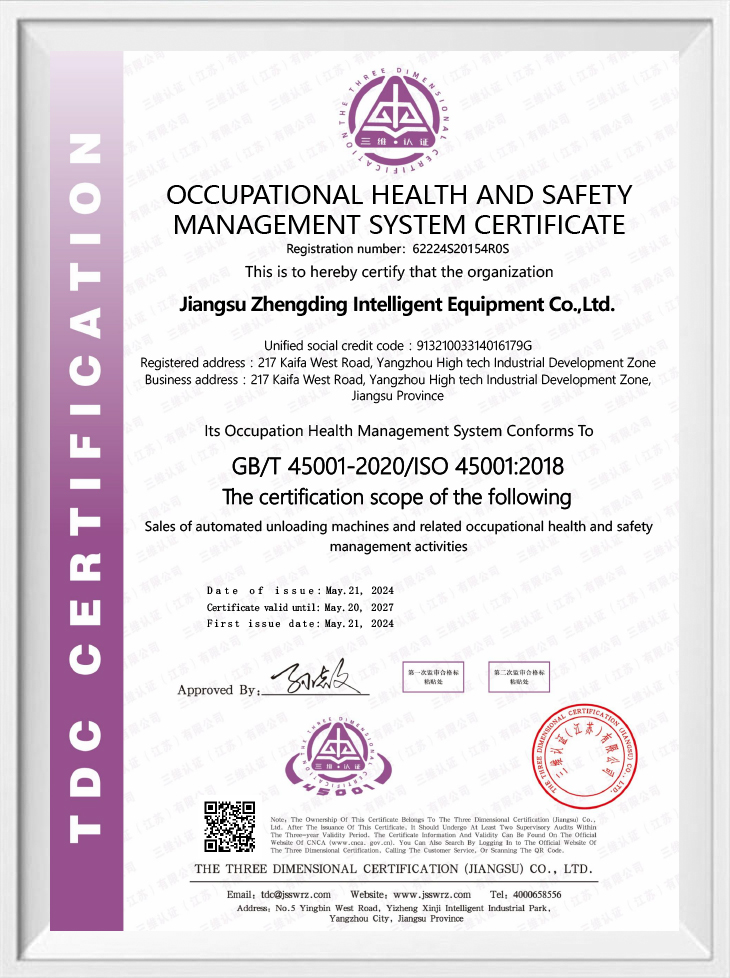
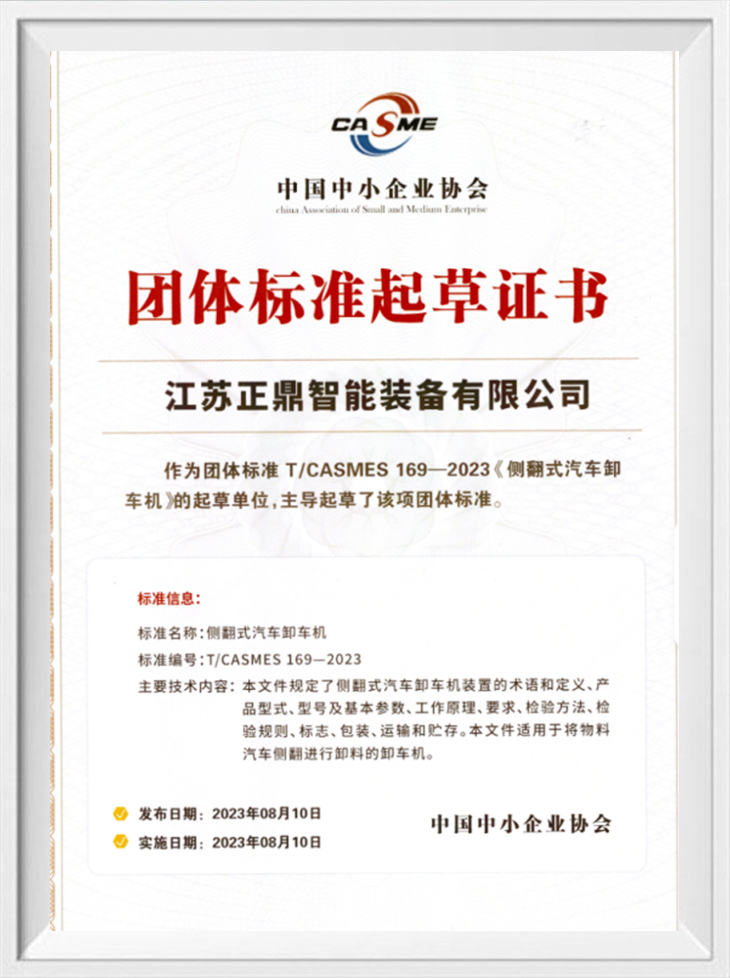
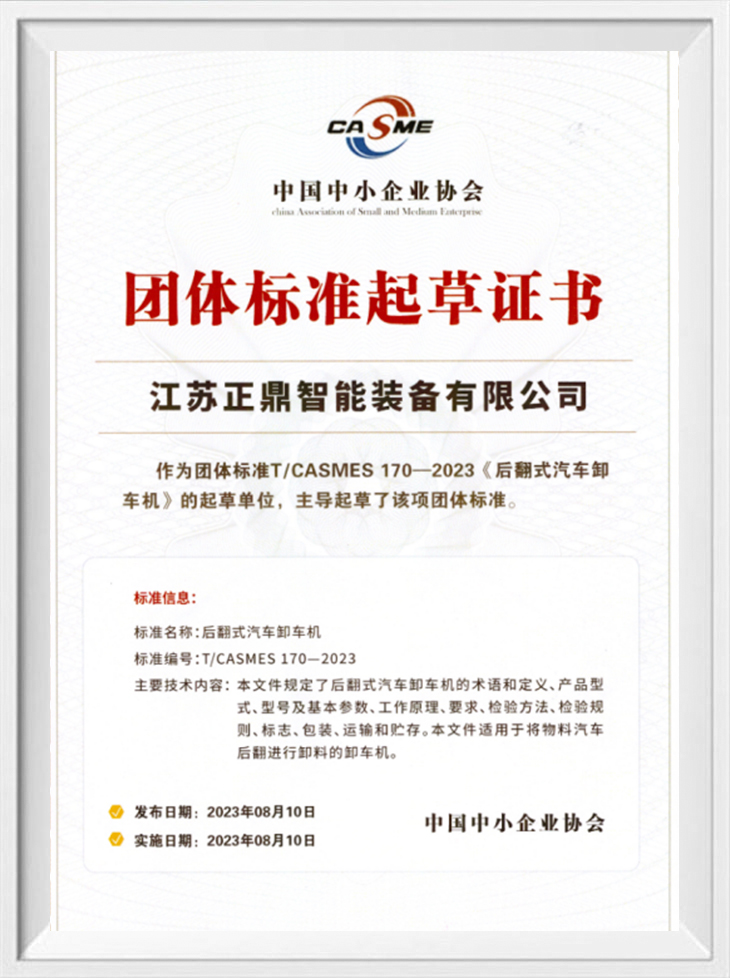
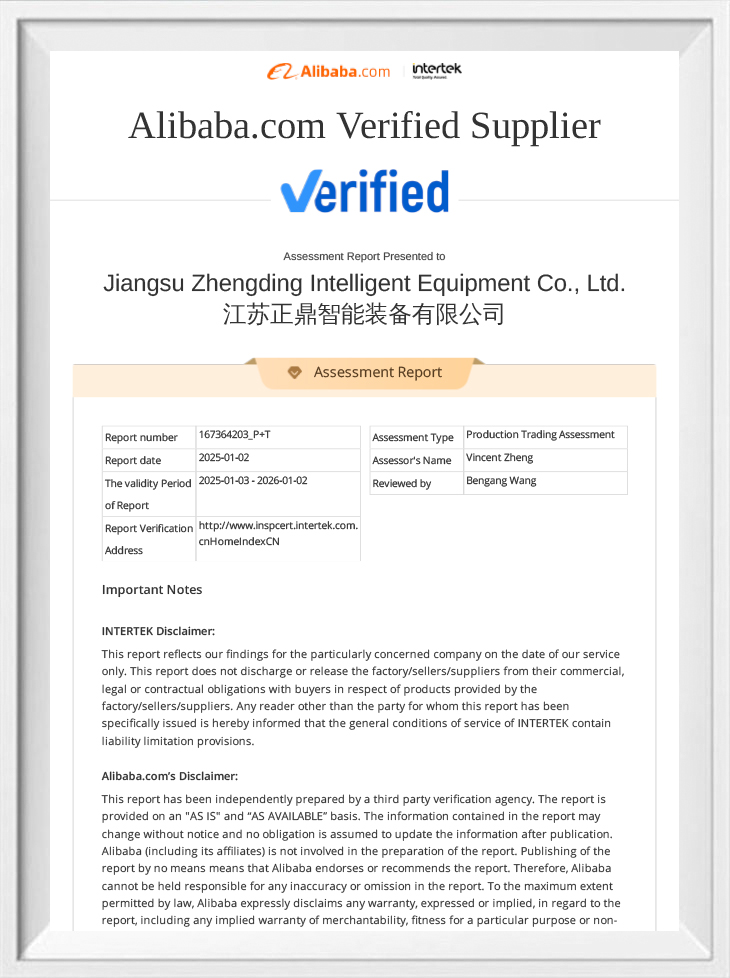
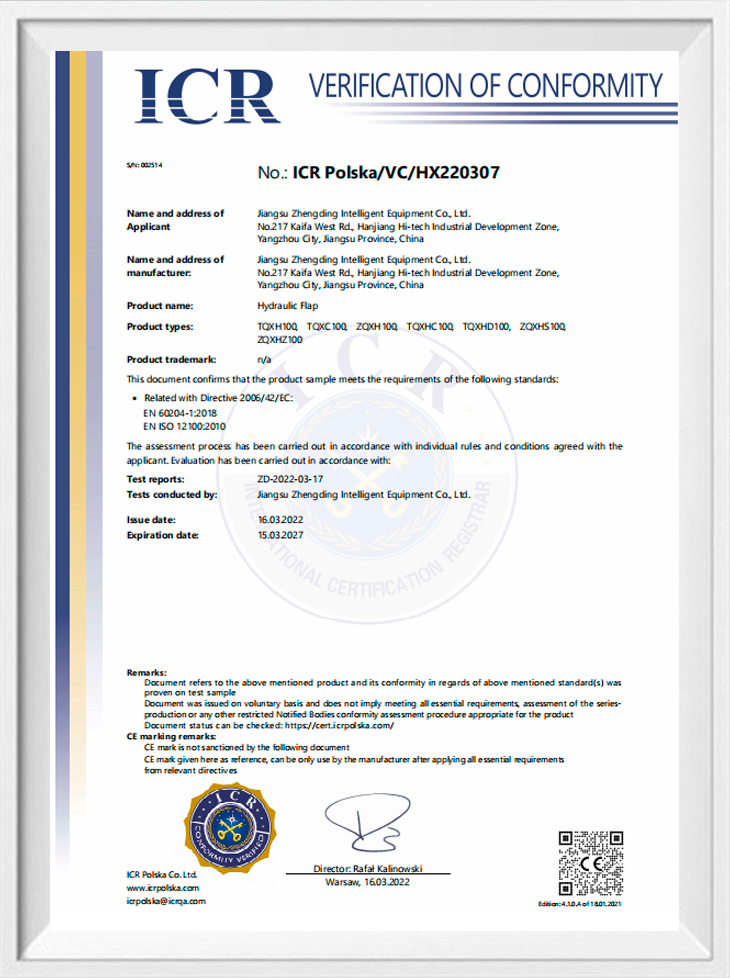
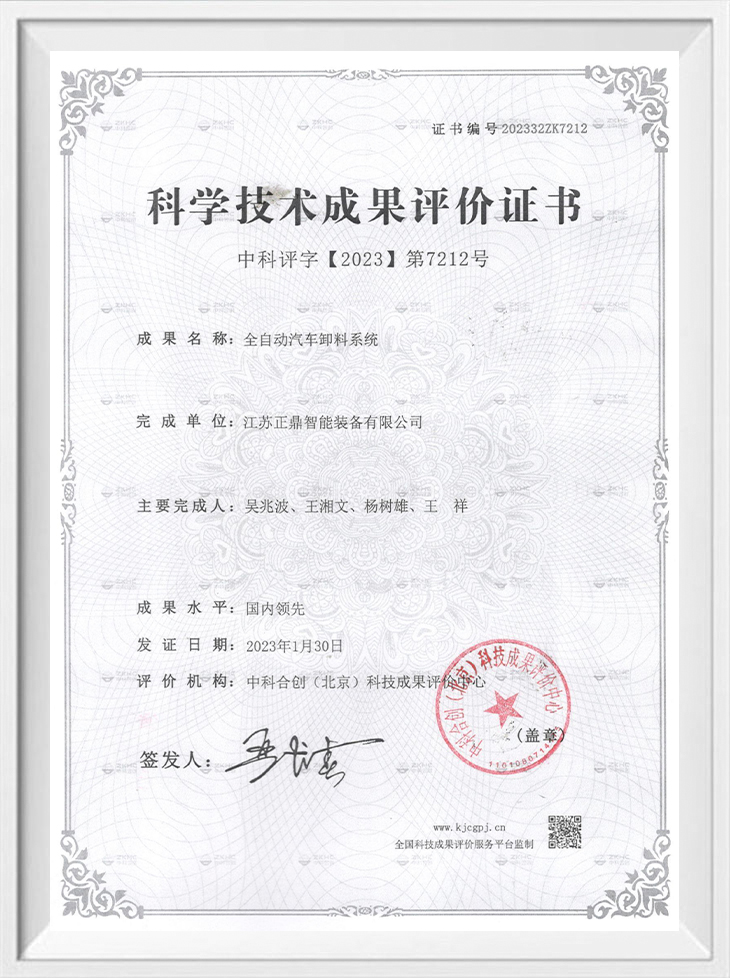
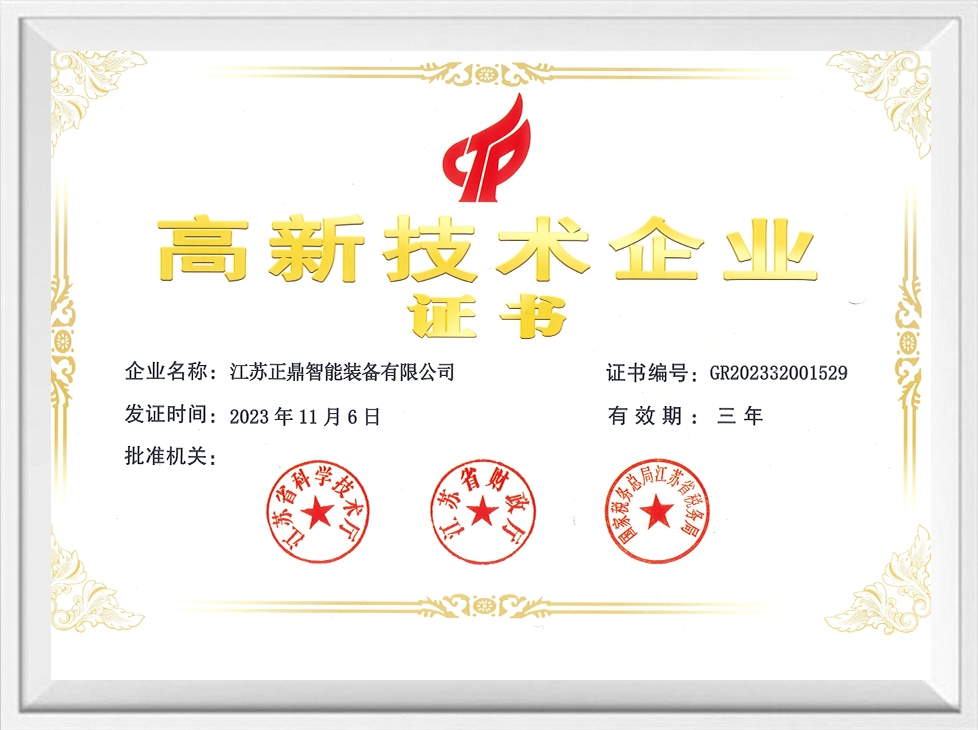
Certificate Of Honor
News
-
A feed mill that runs a grain intake line six days a week will push roughly 1,400 to 1,800 dump cycles through a single truck dumper in one quarter. Over those twelve weeks the hydraulic oil has been heated and cooled thousands of times, the pivot pins have carried the full weig...
READ MORE -
A ready-mix batching plant can have excellent mixers, accurate scales, and a modern control room, yet still lose output at the gate. The bottleneck is often material intake: aggregate trucks queue, cement tankers wait, and loader operators shuttle between stockpiles. For batchin...
READ MORE -
A 40-foot container of bagged resin arrives at 7:40 in the morning and the yard clock starts running. If two forklift operators need an hour and a half to strip that box by hand, one late arrival can push your inbound schedule into the night shift, and the demurrage bill follows...
READ MORE
Truck Dumper Industry knowledge
1. Enclosed Truck Dumpers with Dust Control Systems
Enclosed truck dumpers integrate a sealed containment structure with active dust extraction and filtration systems to capture airborne particulates during the unloading process. Unlike open dumpers that release dust into the surrounding environment, enclosed systems create a negative pressure zone around the discharge point, capturing 90 to 98 percent of fugitive dust emissions. These systems are essential for facilities handling fine powders, cement, fly ash, lime, grain, and other dusty materials where environmental compliance and worker health are priorities.
Industry data from 2025 indicates that facilities operating enclosed dumpers with dust control achieve ambient particulate reductions of 85 to 95 percent at property boundaries compared to open dumper operations. This improvement directly supports compliance with air quality regulations.
(1) Core components of enclosed dust control systems
- Sealed enclosure structure – steel frame with paneling that contains dust during operation.
- High efficiency dust collector – typically baghouse or cartridge filters with 99 percent efficiency.
- Negative pressure ventilation – fans that maintain air flow away from operator areas.
- Automatic filter cleaning – pulse jet or shaker mechanisms for continuous operation.
- Sealed discharge connection – flexible boots connecting to hoppers or conveyors.
Operational example: A cement distribution terminal installed an enclosed dumper with dust extraction and reduced visible dust emissions from 15 minutes per hour to zero, while capturing approximately 12 metric tons of recovered material annually that would otherwise have been lost.
2. Environmental Compliance and Worker Health Advantages
The primary advantage of enclosed dumpers is the dramatic reduction in airborne particulate matter. Open dumper operations can generate dust concentrations exceeding 50 milligrams per cubic meter at the source, while enclosed systems maintain levels below 5 milligrams per cubic meter inside the enclosure and near zero in surrounding areas.
(2) Dust emission comparison – Horizontal bar chart
The emissions reduction directly translates to lower worker exposure to respirable particulates. Facilities using enclosed dumpers typically report 85 to 95 percent reduction in personal exposure monitoring results for operators and nearby personnel.
(3) Air quality improvement trend – Area chart style visualization
The area chart shows that while open dumpers create a significant dust plume extending over 50 meters or more, enclosed systems maintain near ambient background levels at all distances. This allows unrestricted operation near property boundaries and occupied buildings.
3. Regulatory Compliance and Material Recovery Advantages
(4) Dust control adoption by regulation tier – Column Chart
(5) Material recovery comparison – Pie style visualization
The recovered material represents direct product savings and reduces cleanup costs. For a facility handling 100,000 metric tons annually, recovery of lost material can be substantial, with captured dust often exceeding 3 to 4 metric tons per year.
(6) Performance radar – Open versus Enclosed Dumper
The radar chart demonstrates that enclosed dumpers deliver comprehensive advantages across dust control, worker safety, regulatory compliance, material recovery, and community relations. The most significant improvements are in dust control and regulatory compliance.
(7) Comparative advantages table
| Attribute | Open Dumper | Enclosed Dumper | Improvement |
|---|---|---|---|
| Source dust concentration | 45 to 55 mg/m3 | 0.5 to 3.5 mg/m3 | 90 to 98 percent reduction |
| Material loss rate | 0.3 to 0.5 percent | 0.05 to 0.10 percent | 70 to 85 percent recovery |
| Visible emissions duration | Each truck cycle | None during operation | Eliminates visible dust |
| Worker respiratory protection | Required near dumper | Not required in control room | Lower PPE requirements |
The table summarizes the key performance differences. Enclosed dumpers consistently deliver superior dust control, material recovery, and regulatory alignment, making them the preferred choice for facilities in sensitive locations or under strict environmental oversight.
4. Dust Control Solutions from Jiangsu Zhengding Intelligent Equipment
Jiangsu Zhengding Intelligent Equipment Co., Ltd. is a national high-tech enterprise mainly engaged in the research and development and manufacturing of intelligent logistics equipment. It can provide systematic solutions for the automatic loading and unloading of cars and containers for customers in different industries.
The company wholeheartedly provides users with various types of automatic loading and unloading equipment such as rear dumpers, side dumpers, car loading equipment, container flippers, etc. It is one of the companies with a relatively complete range of automatic loading and unloading equipment for cars and containers in China. The products are widely used in the steel, chemical, cement, coal, grain, oil and food industries, and are exported to Japan, Brazil, Egypt, Pakistan, India, the Middle East and Southeast Asian countries. Among them, the annual sales volume and technical performance of automatic loading and unloading equipment for cars are in the leading position in China. Typical international users include Budweiser, Heineken, Buhler Group, Wilmar International, Cargill, DuPont, Louis Dreyfuss, Charoen Pokphand Group, Saint-Gobain Group, etc.
Zhengding's enclosed truck dumpers feature modular panel construction, high efficiency cartridge filters, and automatic purge systems that maintain extraction performance during continuous operation. The company's integrated dust control solutions help facilities achieve environmental compliance while recovering valuable material.
5. Frequently Asked Questions
Q1: What types of dust collection filters are most effective for truck dumpers?
A1: Cartridge filters with pulse jet cleaning are most common for cement and mineral dusts, offering 99.5 percent efficiency down to 0.5 microns. For grain and organic dusts, cyclone pre-separators followed by baghouse filters reduce fire risk. Filter selection depends on particle size distribution and moisture content of the material being handled.
Q2: How much maintenance does the dust collection system require?
A2: Typical maintenance includes filter inspection every 200 to 400 operating hours, compressed air system checks, and hopper discharge monitoring. Filter elements generally last 2,000 to 5,000 hours depending on material abrasiveness. Automated pulse cleaning systems reduce manual maintenance frequency.
Q3: Can an existing open dumper be retrofitted with an enclosure and dust control?
A3: Yes, many open dumpers can be retrofitted with modular enclosure panels and ducted dust collection. Retrofitting typically requires 2 to 4 weeks of installation time and may involve modifications to the existing platform structure. A site assessment determines the most cost effective approach between retrofitting and replacement.

RESEARCH AND DEVELOPMENT, MANUFACTURING AND SALES OF VARIOUS
AUTOMATED LOADING AND UNLOADING EQUIPMENT FOR AUTOMOBILES, CONTAINERS, SHIPS, ETC.
-
 CONTACT NUMBER
+86-13588556918
-
 ADDRESS
217 Kaifa West Road, Hanjiang District, Yangzhou City, Jiangsu Province China
-
 SAY HELLO
cnwzb@163.com
COMPANY
MOBILE TERMINAL
