
 English
 русский
 Español
 Français
 Português
 عربى
عربى

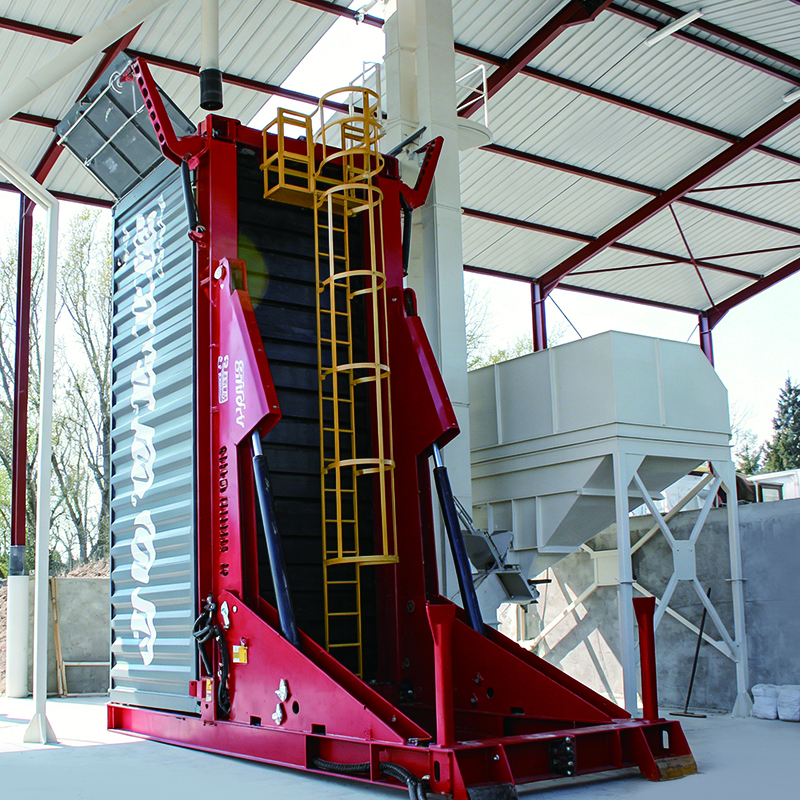
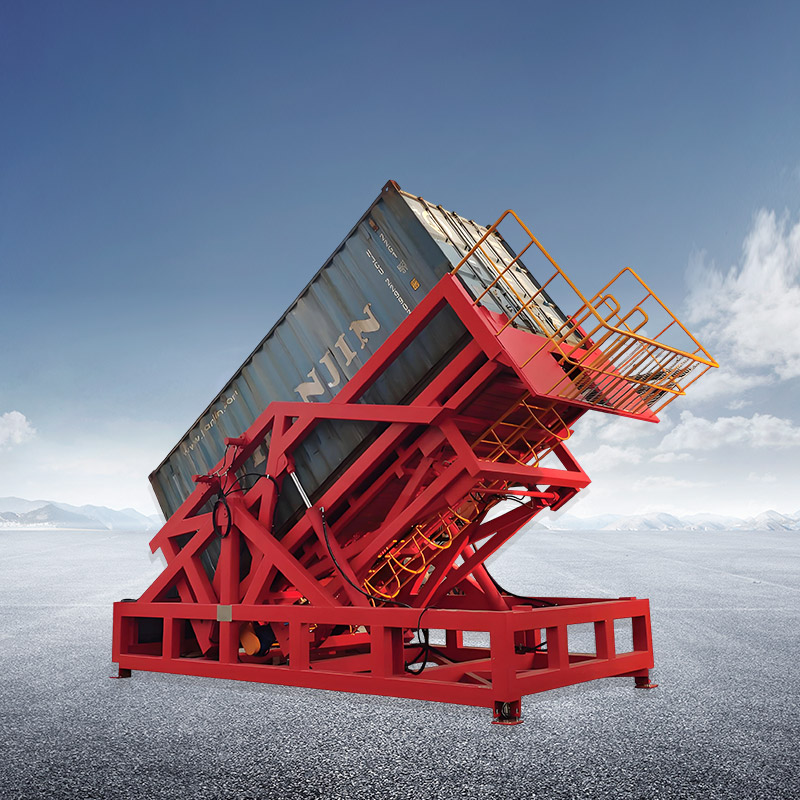
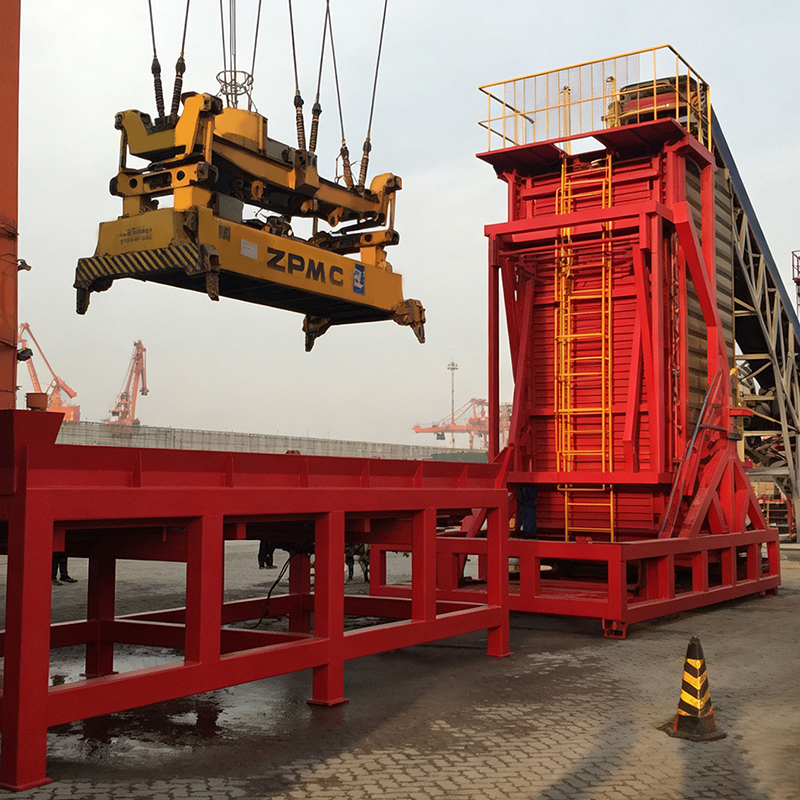
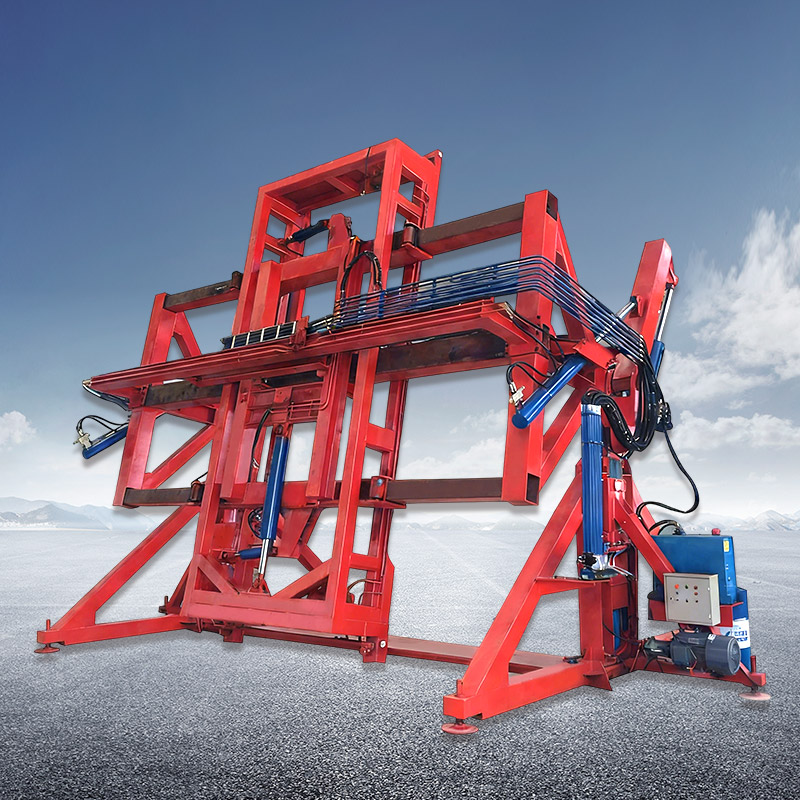
Container loaders adopt an integrated design for loading and unloading, capable of handling 20-foot and 40-foot containers. It achieves one-click rapid entry and exit of goods. By integrating automatic door-opening and precision weighing technologies, the system significantly reduces manual intervention, optimizing logistics turnover efficiency while enhancing operational safety.

Container Loaders Factory
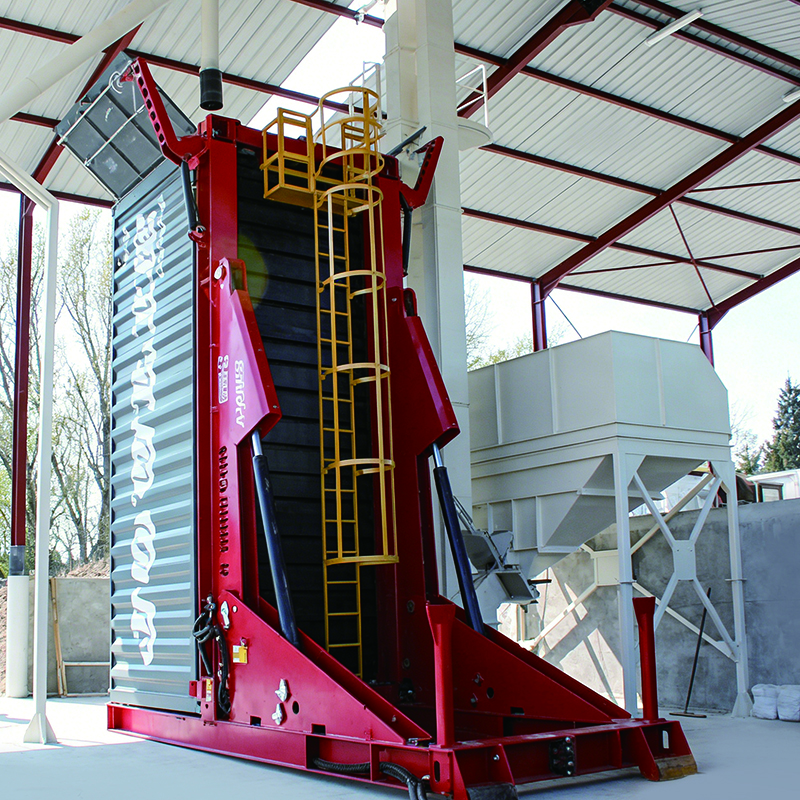
Product Features
1. Integrated Loading and Unloading: A single piece of equipment handles the dual operations of both loading and unloading.
2. Automatic Door Mechanism: Can be configured with an automatic opening and closing mechanism for container doors, eliminating manual operation of the doors and reducing labor intensity and safety risks.
3. Configurable Weighing Function: Integrates high-precision weighing to monitor cargo weight in real-time during the loading and unloading process, preventing overloading; data can be uploaded to the management system in real-time.
4. Flexible Adjustment Mechanism: Equipped with a flexible adjustment mechanism that perfectly adapts to both 20-foot and 40-foot standard containers, offering a wide range of applications.
5. Precision Drive Control System: Utilizes a precision drive control system to ensure the smooth movement of goods during the loading and unloading process, effectively avoiding damage caused by cargo collisions.
Main Technical Parameters
|
Model |
Size L*W/M |
Maximum lifting weight/T |
Maximum lifting angle |
|
TJXH 20 |
6*3 |
50 |
45°/60° |
|
TJXH 40 |
12*3 |
100 |
45°/60° |
SEND MESSAGE
Message Feedback
About Us
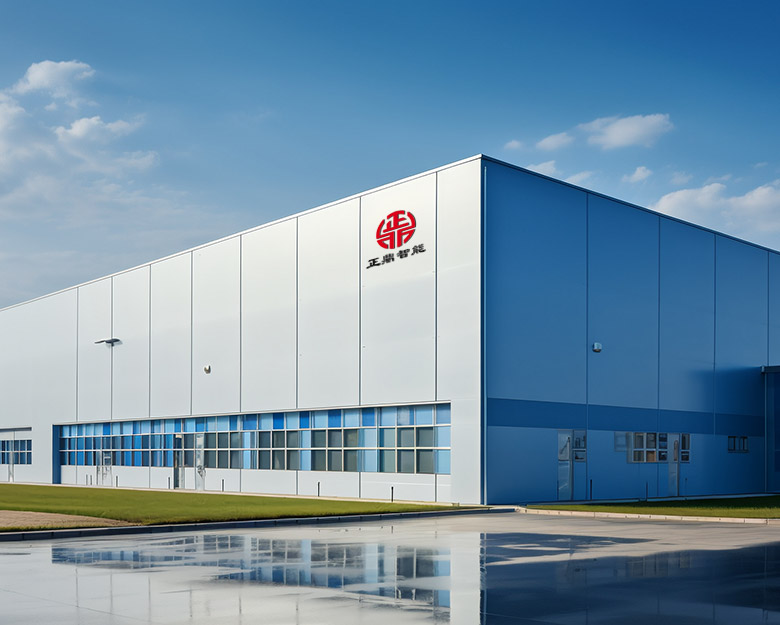
Jiangsu Zhengding Intelligent Equipment Co., Ltd.
Jiangsu Zhengding Intelligent Equipment Co., Ltd. is a national high-tech enterprise mainly engaged in the research and development and manufacturing of intelligent logistics equipment. It can provide systematic solutions for the automatic loading and unloading of cars and containers for customers in different industries.
We are China Container Loaders Supplier and Custom Container Loaders Factory, the company wholeheartedly provides users with various types of automatic loading and unloading equipment such as rear dumpers, side dumpers, car loading equipment, container flippers, etc.; it is one of the companies with a relatively complete range of automatic loading and unloading equipment for cars and containers in China. The products are widely used in the steel, chemical, cement, coal, grain, oil and food industries, and are exported to Japan, Brazil, Egypt, Pakistan, India, the Middle East and Southeast Asian countries. Among them, the annual sales volume and technical performance of automatic loading and unloading equipment for cars are in the leading position in China. Typical international users include Budweiser, Heineken, Buhler Group, Wilmar International, Cargill, DuPont, Louis Dreyfuss, Charoen Pokphand Group, Saint-Gobain Group, etc.}
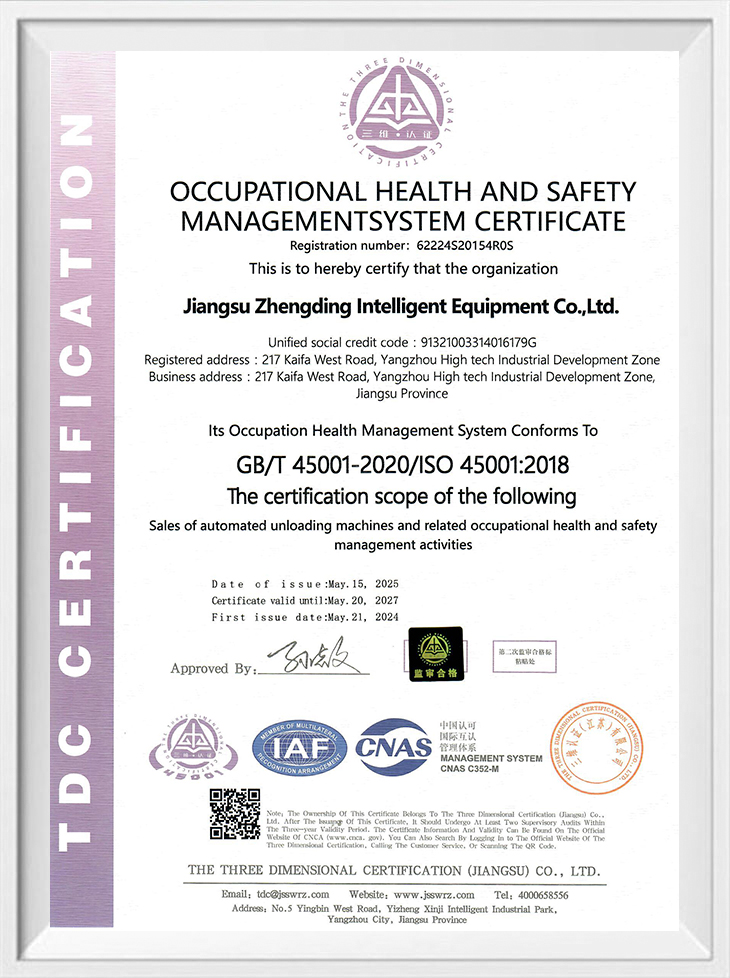
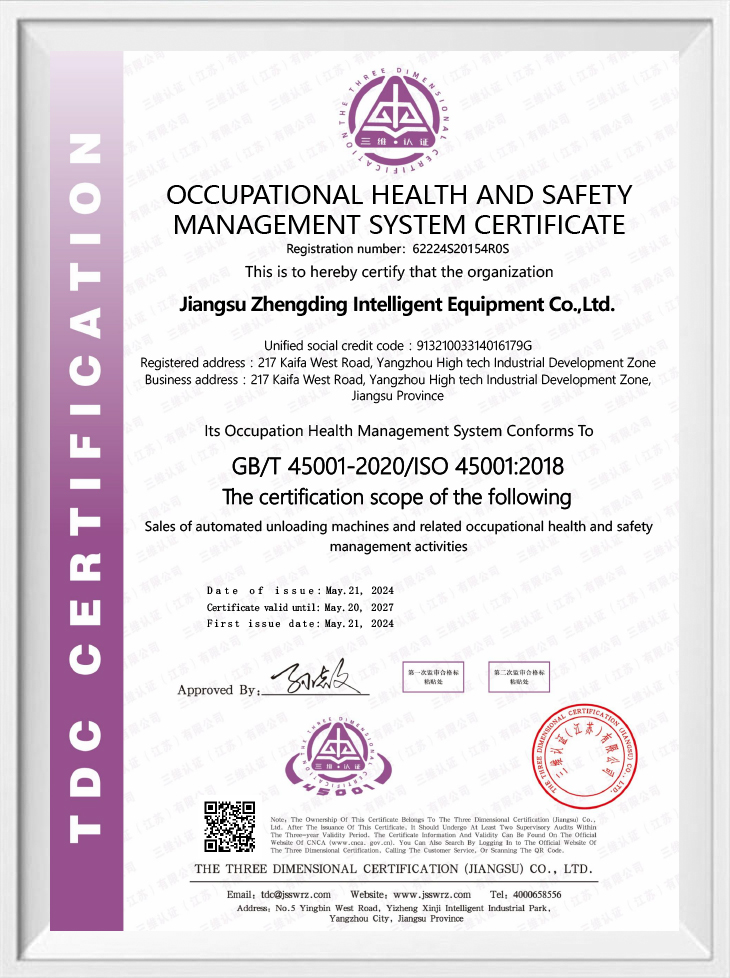
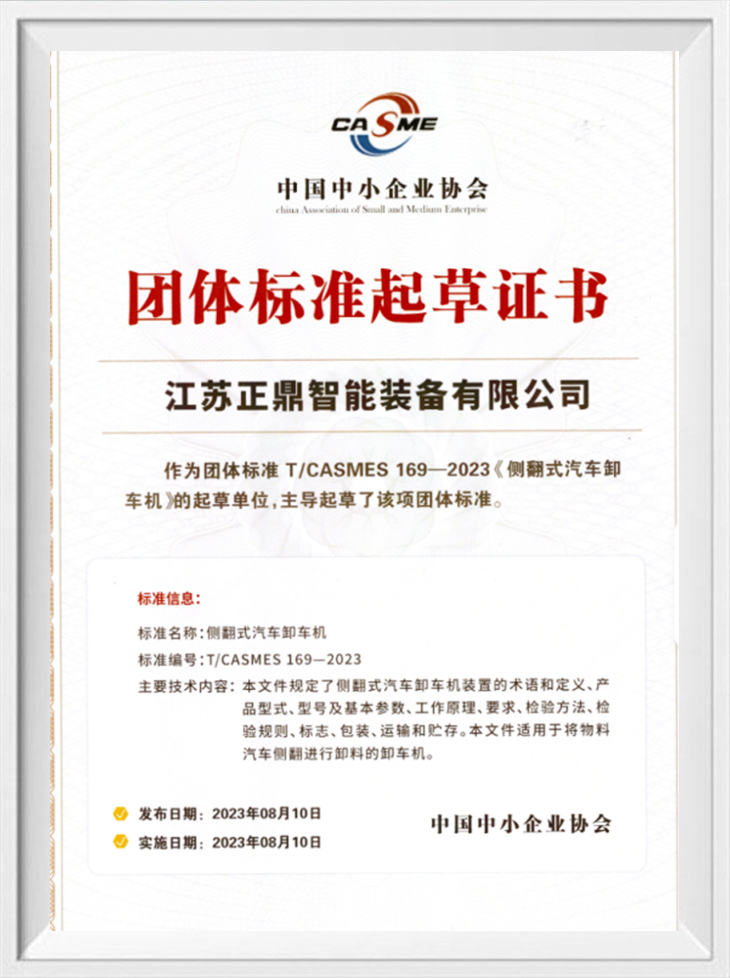
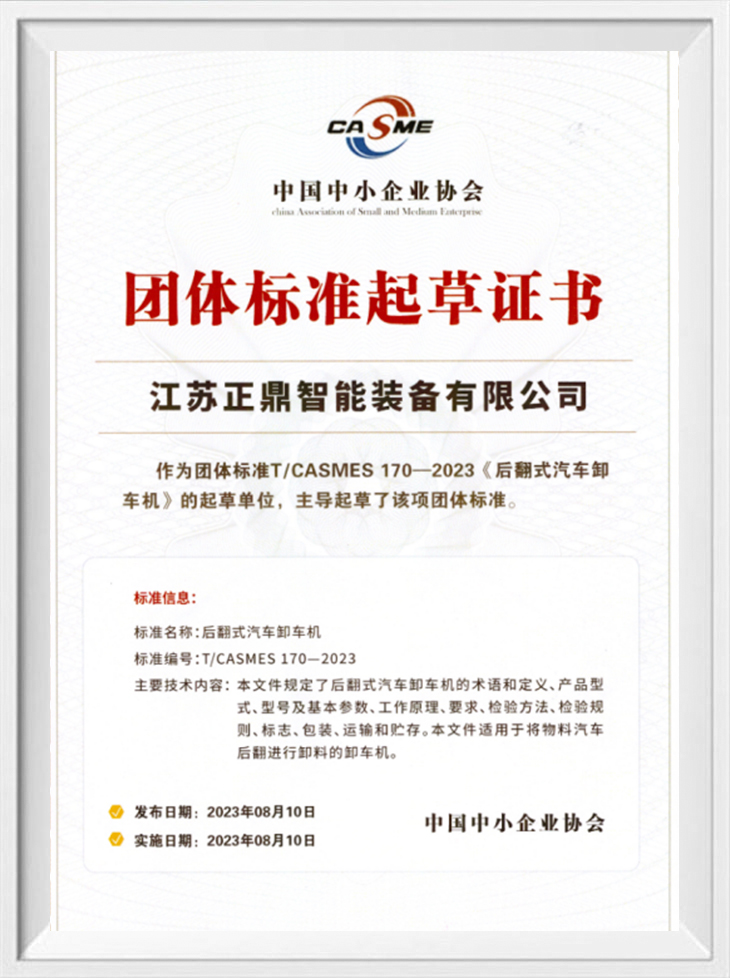
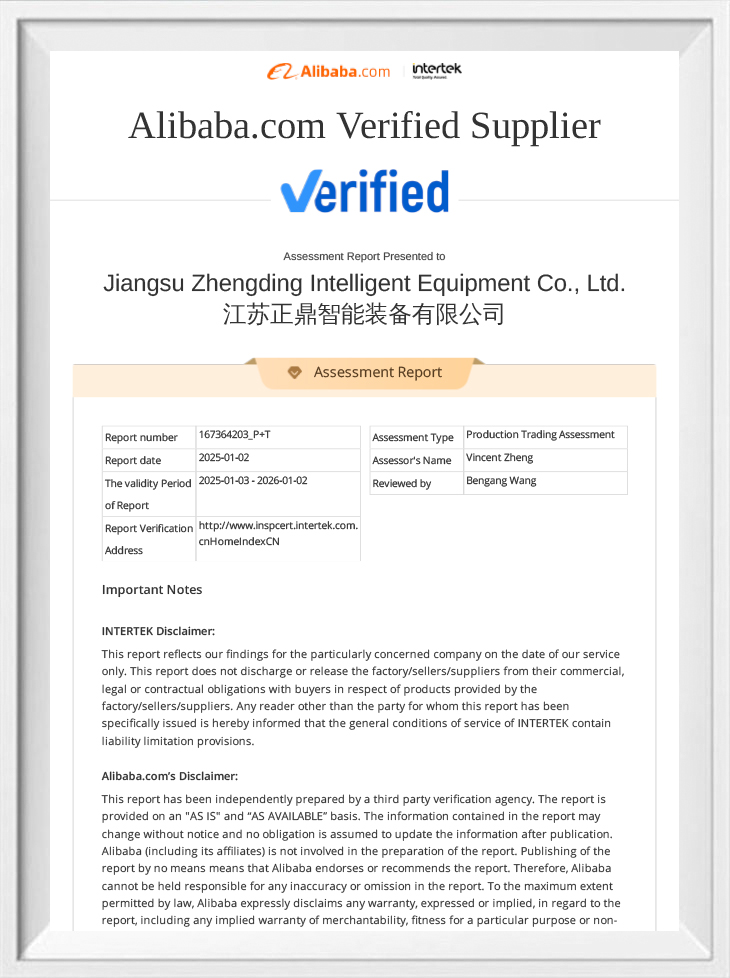
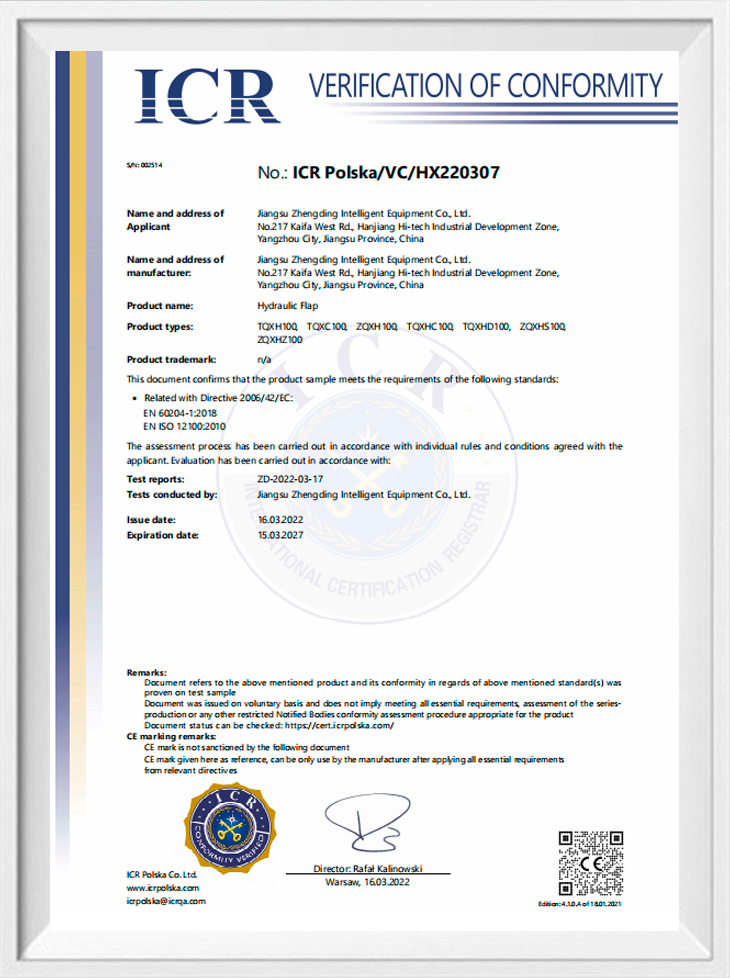
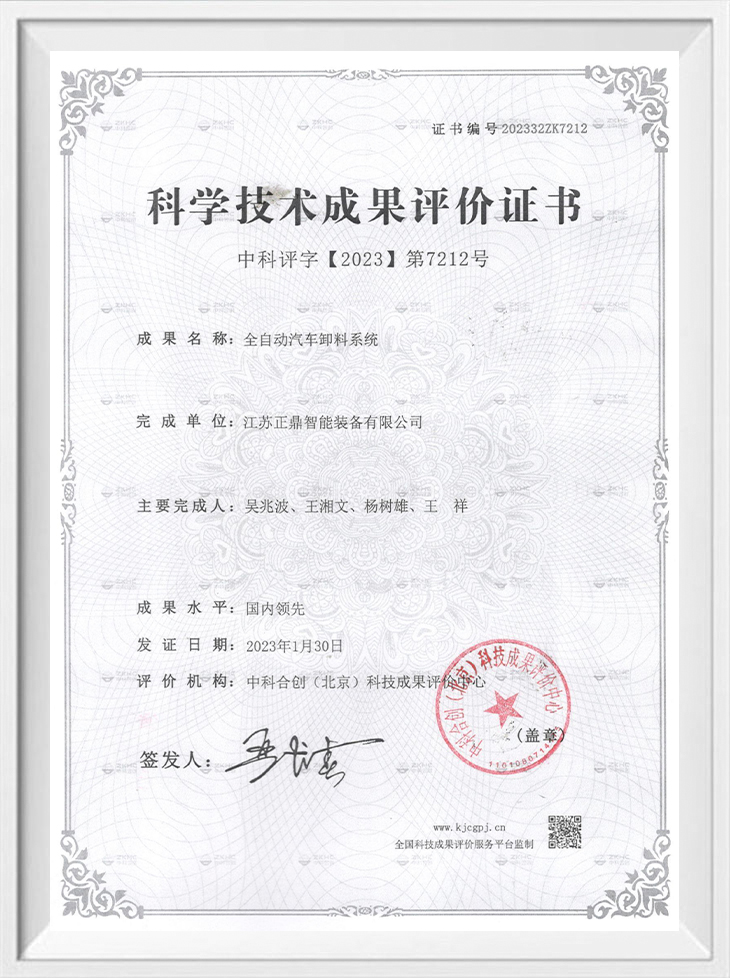
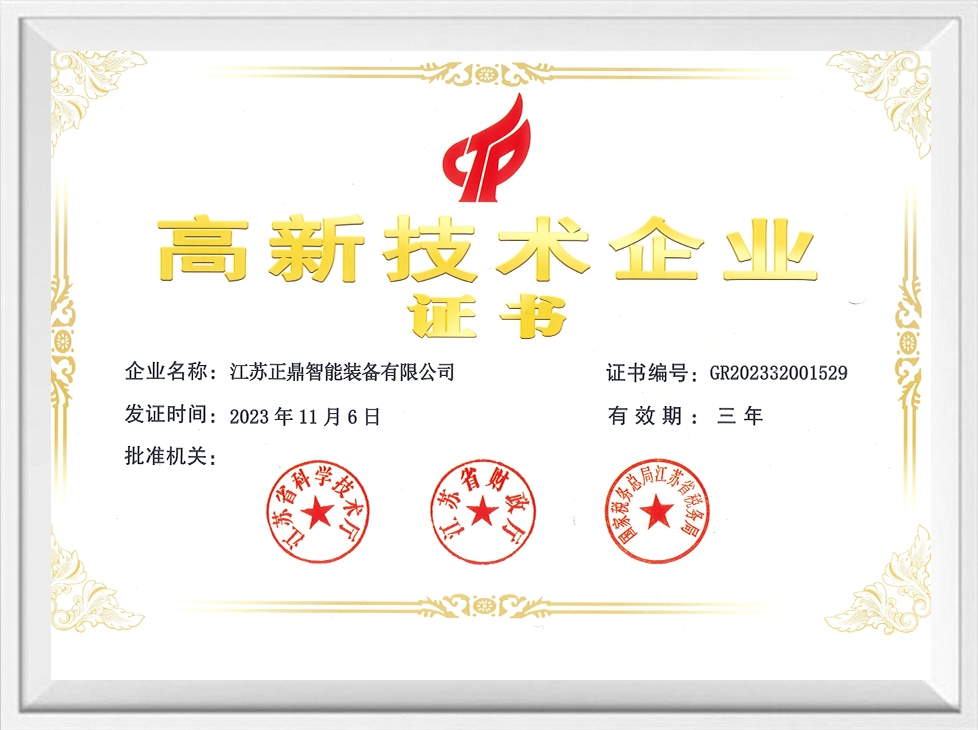
Certificate Of Honor
News
-
A feed mill that runs a grain intake line six days a week will push roughly 1,400 to 1,800 dump cycles through a single truck dumper in one quarter. Over those twelve weeks the hydraulic oil has been heated and cooled thousands of times, the pivot pins have carried the full weig...
READ MORE -
A ready-mix batching plant can have excellent mixers, accurate scales, and a modern control room, yet still lose output at the gate. The bottleneck is often material intake: aggregate trucks queue, cement tankers wait, and loader operators shuttle between stockpiles. For batchin...
READ MORE -
A 40-foot container of bagged resin arrives at 7:40 in the morning and the yard clock starts running. If two forklift operators need an hour and a half to strip that box by hand, one late arrival can push your inbound schedule into the night shift, and the demurrage bill follows...
READ MORE
Container Loading And Unloading Equipment Industry knowledge
1. Understanding Automated Container Loaders and Their Advantages
Automated container loaders are intelligent systems designed to fill shipping containers with bulk materials or packaged goods without manual intervention. These systems use conveyor belts, telescopic chutes, push mechanisms, or robotic arms to achieve uniform distribution and optimal space utilization. The advantages of automation extend across operational efficiency, workplace safety, product quality, and throughput consistency.
Industry data from 2025 indicates that facilities implementing automated container loading systems experience productivity improvements of 40 to 65 percent compared to manual loading methods. Additionally, loading accuracy improves by approximately 30 percent, reducing claims related to damaged goods or uneven weight distribution.
(1) Primary advantages overview
- Labor efficiency – reduces manual handling requirements by 60 to 80 percent.
- Loading speed – typical cycle time of 3 to 6 minutes per container, versus 15 to 25 minutes manually.
- Space optimization – achieves 5 to 8 percent better container fill rates.
- Safety improvement – eliminates forklift entry into confined container spaces.
- Consistent quality – programmable loading patterns reduce product damage.
Example from operations: A food ingredient facility processing 200 containers per week reduced loading labor from 8 workers per shift to 2 operators after adopting automated container loading equipment, while increasing throughput by 35 percent.
2. Speed and Throughput Advantages
The most measurable advantage of automated container loaders is the dramatic reduction in loading time per container. Faster turnaround enables more containers to be processed per shift, reducing demurrage costs and improving supply chain velocity.
(2) Loading time comparison – Horizontal bar chart
The time savings translate directly into increased throughput. A facility operating two loading bays for 16 hours per day can process approximately 120 containers daily with manual methods compared to 420 containers with automated loaders, representing a 250 percent increase in daily capacity.
(3) Throughput growth trend – Line Chart
The line chart demonstrates typical throughput progression following automation adoption. Facilities commonly achieve 3 to 4 times higher container throughput within the first year of operation, with continued optimization gains beyond that period.
3. Safety, Quality, and Labor Advantages
(4) Industry adoption rates – Column Chart
(5) Performance radar – Manual versus Automated Loading
The radar chart clearly shows that automated container loaders outperform manual methods across loading speed, labor efficiency, product quality, worker safety, and fill rate optimization. The most substantial improvements are typically seen in worker safety and fill rate consistency.
(6) Key advantage summary table
| Metric | Manual Loading | Automated Loading | Typical Improvement |
|---|---|---|---|
| Time per container | 18 to 25 minutes | 3 to 6 minutes | 70 to 80 percent faster |
| Workers required per shift | 4 to 6 persons | 1 to 2 operators | 60 to 75 percent less labor |
| Container fill rate | 82 to 88 percent | 92 to 96 percent | 5 to 8 percent better utilization |
| Product damage rate | 2.5 to 4.0 percent | 0.5 to 1.2 percent | 60 to 80 percent reduction |
The data consistently demonstrates that automated container loaders provide measurable advantages across all key operational metrics. The cumulative effect of these improvements typically results in significant operational cost reductions and improved customer satisfaction through consistent loading quality.
4. Comprehensive Automation Solutions from Jiangsu Zhengding Intelligent Equipment
Jiangsu Zhengding Intelligent Equipment Co., Ltd. is a national high-tech enterprise mainly engaged in the research and development and manufacturing of intelligent logistics equipment. It can provide systematic solutions for the automatic loading and unloading of cars and containers for customers in different industries.
The company wholeheartedly provides users with various types of automatic loading and unloading equipment such as rear dumpers, side dumpers, car loading equipment, container flippers, etc. It is one of the companies with a relatively complete range of automatic loading and unloading equipment for cars and containers in China. The products are widely used in the steel, chemical, cement, coal, grain, oil and food industries, and are exported to Japan, Brazil, Egypt, Pakistan, India, the Middle East and Southeast Asian countries. Among them, the annual sales volume and technical performance of automatic loading and unloading equipment for cars are in the leading position in China. Typical international users include Budweiser, Heineken, Buhler Group, Wilmar International, Cargill, DuPont, Louis Dreyfuss, Charoen Pokphand Group, Saint-Gobain Group, etc.
Zhengding's automated container loading systems are designed to integrate seamlessly with existing warehouse and dock infrastructure, offering programmable loading patterns, remote monitoring capabilities, and compatibility with various container types. The company's engineering team provides site assessment, system design, installation supervision, and operator training to ensure successful implementation.
5. Frequently Asked Questions
Q1: What types of products can be loaded using automated container loaders?
A1: Automated container loaders accommodate a wide range of products including bagged goods, cartons, sacks, palletized units, bulk granules, powders, and even certain irregular shaped items. The specific configuration depends on product characteristics. Bagged products typically use belt or slat conveyors, while bulk materials may use telescopic chutes with dust extraction systems.
Q2: How does an automated loader achieve better container fill rates?
A2: Automated loaders use programmable loading sequences and sensors to distribute products evenly across the container floor. The system can adjust layer patterns, shift positions, and compress products when appropriate. This optimization typically achieves 5 to 8 percent higher volumetric fill rates compared to manual loading, which often leaves voids or creates uneven weight distribution.
Q3: What is the typical training requirement for operators?
A3: Most automated container loading systems are designed with user friendly interfaces. Operator training typically requires 2 to 4 days for basic operation and daily maintenance. Advanced programming and troubleshooting may require an additional week of training. Suppliers usually provide comprehensive documentation and on site instruction during the commissioning phase.

RESEARCH AND DEVELOPMENT, MANUFACTURING AND SALES OF VARIOUS
AUTOMATED LOADING AND UNLOADING EQUIPMENT FOR AUTOMOBILES, CONTAINERS, SHIPS, ETC.
-
 CONTACT NUMBER
+86-13588556918
-
 ADDRESS
217 Kaifa West Road, Hanjiang District, Yangzhou City, Jiangsu Province China
-
 SAY HELLO
cnwzb@163.com
COMPANY
MOBILE TERMINAL
Copyright @ Jiangsu Zhengding Intelligent Equipment Co., Ltd. All Rights Reserved.
 China Container Loaders Supplier
Custom Container Loaders Factory
China Container Loaders Supplier
Custom Container Loaders Factory