

 English
 русский
 Español
 Français
 Português
 عربى
عربى



+86-13588556918
Content
- 1 What Is a Side Dump? The Direct Answer
- 2 How a Side-Turn Truck Dumper Works
- 3 Side-Turn vs Rear-Tip Truck Dumpers
- 4 Hydraulic Dumper vs Mechanical Dumper Systems
- 5 Downtime Trends After Switching to an Automated Dumper
- 6 Industries and Materials Suited to Side-Turn Unloading
- 7 About Jiangsu Zhengding Intelligent Equipment Co., Ltd
- 8 Frequently Asked Questions
What Is a Side Dump? The Direct Answer
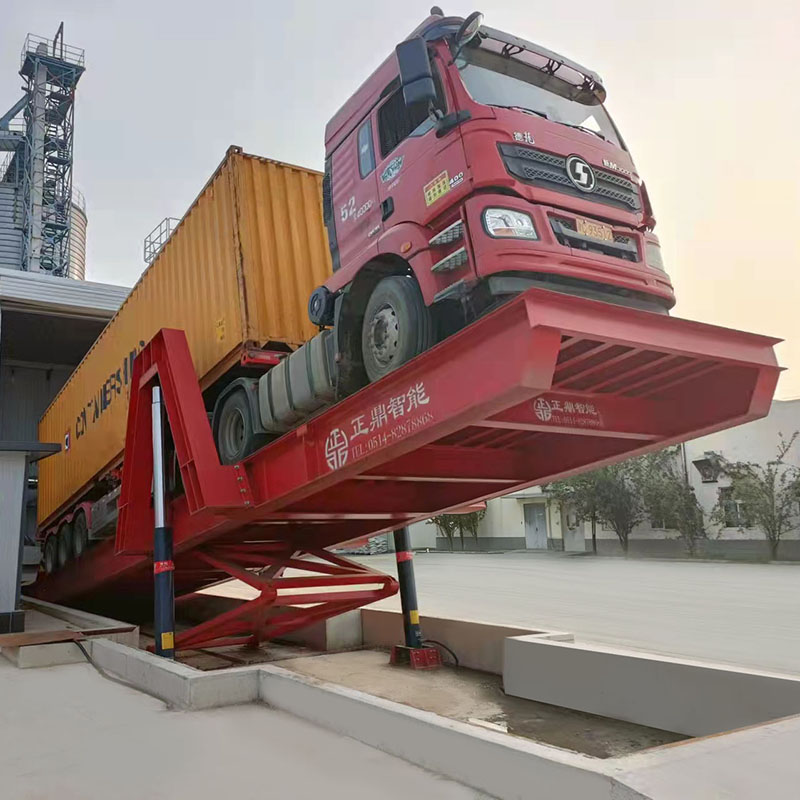
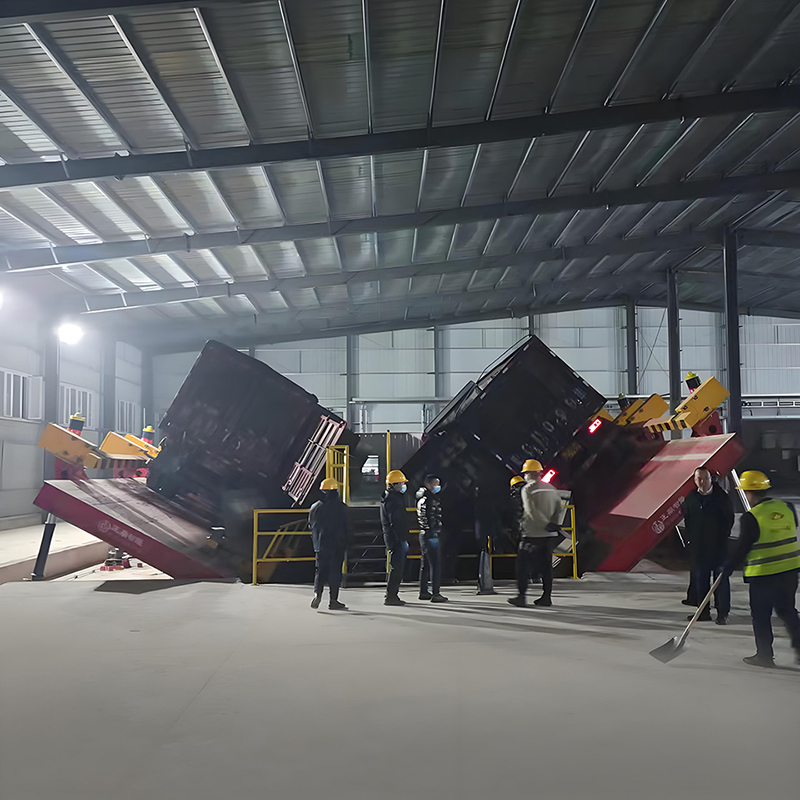
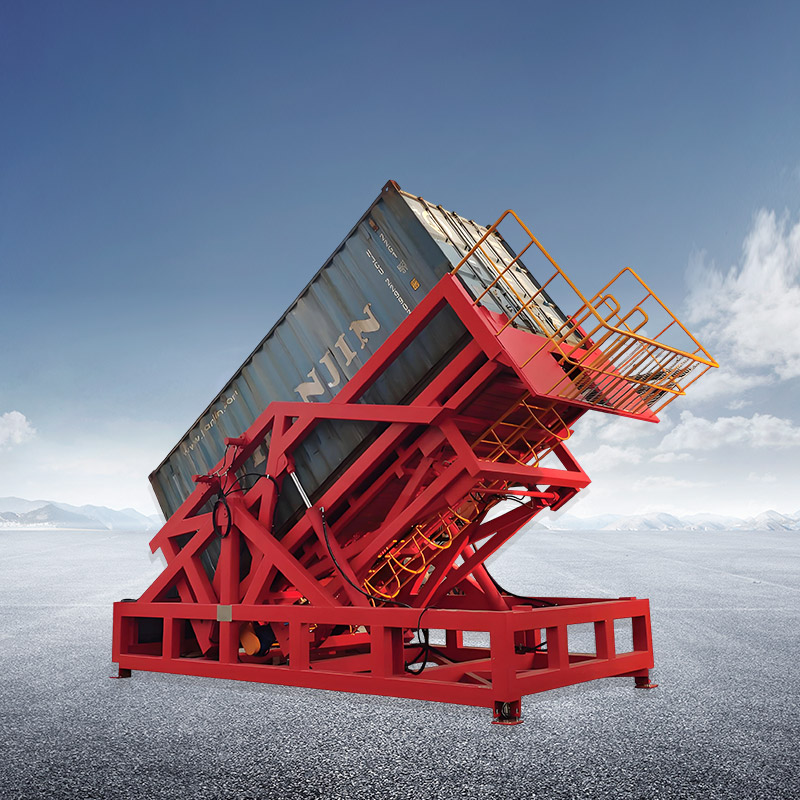
A side dump is an unloading method in which a truck, railcar, or container is tilted sideways rather than backward so that bulk material slides out through an opening along the vehicle's side rather than off the rear tailgate. In industrial bulk handling, this method is carried out by a side-turn truck dumper, a fixed or semi-fixed machine that clamps the vehicle in place, rotates the entire chassis or a cradle holding it to one side, and lets gravity pull the material out through a side discharge chute. The side-turn approach is used specifically for materials with poor flowability, such as fine powders, damp coal, or sticky ores, because tilting sideways generates a more controlled, even discharge path than a straight rear tip. It is also the preferred unloading configuration in facilities with limited overhead clearance, since a side dump does not require raising the vehicle bed as high as a typical truck tipper rear-dump cycle does. Materials such as coal, iron ore powder, and soybean meal are commonly cited as good fits for side-turn unloading because their handling characteristics respond well to the gentler, more gradual tilt angle this method allows. The sections below walk through how a side-turn truck dumper works mechanically, how it compares to rear-tip systems, and how to choose between hydraulic and mechanical designs for different bulk handling operations.
How a Side-Turn Truck Dumper Works
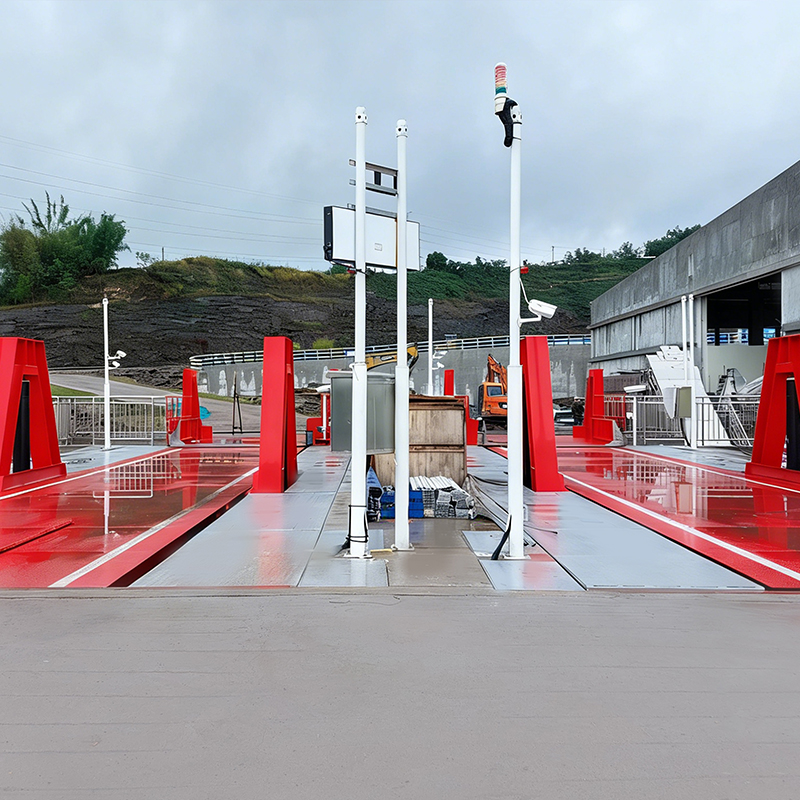
A typical side dump system operates in three stages: securing, rotating, and discharging. First, the truck or railcar drives into a fixed cradle or platform, where clamps, wheel chocks, and frame restraints lock the vehicle in place to prevent shifting during rotation. Second, a hydraulic drive system rotates the entire platform — and the vehicle resting on it — to one side, typically up to a defined tilt angle that is sufficient for the specific bulk material to flow out under gravity. Third, the material discharges through a side opening into a receiving hopper, conveyor, or pit, after which the platform rotates back to level and the vehicle exits. Side-turning systems are generally classified by automation level into fully automatic side-turn unloaders, which control clamping, rotation speed, and return-to-level sequencing without manual intervention, and ordinary semi-automatic units that require more operator involvement at each stage. Depending on the design, a hydraulic truck dumper of this type can also be built as a mobile or skid-mounted unit for sites that need flexibility in dumper placement rather than a single fixed unloading point.
The horizontal bar chart above compares relative cycle time across three common unloading approaches, with shorter bars indicating faster discharge. The side-turn dumper shows the shortest cycle time in this comparison because its automated clamping and rotation sequence removes most of the manual coordination steps required in older unloading methods. Rear-tip dumpers fall into a moderate range, since lifting a vehicle bed to a steep rear angle generally takes longer and requires more structural bracing than a side rotation for the same material volume. Manual tipping methods, which rely on labor-intensive shoveling or basic tipping aids without dedicated machinery, show the slowest cycle time and the least consistency between cycles. This pattern is one of the main reasons facilities handling high vehicle throughput, such as grain terminals or coal yards, move toward an automated truck dumper system rather than continuing with manual or semi-manual unloading.
Side-Turn vs Rear-Tip Truck Dumpers
Choosing between a side-turn and a rear-tip truck tipper depends heavily on building clearance, material type, and the layout of the receiving hopper. A rear-tip dumper lifts the front of the vehicle bed upward, which generally requires more vertical clearance above the unloading bay than a side rotation does. A side-turn dumper instead rotates the load sideways, which keeps the overall height profile lower and makes it a practical choice for facilities with restricted ceiling height or overhead structures. The radar chart below compares five operational attributes — clearance efficiency, suitability for poor-flow materials, discharge control, structural footprint, and automation potential — across both dumper types.
As shown in the radar chart, the side-turn dumper's shape extends further out on clearance efficiency, poor-flow material fit, and small footprint, reflecting why it is generally preferred for indoor facilities and for materials such as coal, iron ore powder, and soybean meal that do not flow easily under a straight vertical drop. The rear-tip dumper scores more evenly but does not extend as far on any single attribute, which fits its role as a more general-purpose dumper truck unloading solution rather than one optimized for a specific material or building constraint. Structural simplicity is rated closer between the two systems, since both designs can be engineered with similarly robust frames depending on load capacity requirements. Automation potential favors the side-turn configuration slightly, mainly because side rotation lends itself well to fully automatic clamp-rotate-return cycles used in high-throughput industrial truck tipper installations. For facility planners comparing a side dump system against a rear-tip alternative, this kind of multi-attribute view is more useful than judging either system on cycle time or cost alone.
Hydraulic Dumper vs Mechanical Dumper Systems
Beyond the side-turn versus rear-tip decision, buyers also need to choose a drive system. A hydraulic truck dumper uses hydraulic cylinders to control rotation speed and tilt angle with fine adjustment, which generally produces smoother, more controllable discharge for sensitive or fine bulk materials. Mechanical systems, which rely more on gear-driven or cable-driven rotation, can offer a simpler maintenance profile but typically provide less precise control over tilt speed. The column chart below compares typical maximum load capacity ranges across light-duty, standard, and heavy-duty dumper configurations, since drive system choice is closely tied to the load range a facility needs to handle.
The column chart shows how maximum rated load capacity increases moving from light-duty to heavy duty dumper classifications, with heavy-duty units generally built for the largest rail wagons and fully loaded bulk trucks used in steel, cement, and mining operations. Light-duty dumpers are typically matched to smaller delivery trucks and lower-volume operations where a compact footprint matters more than maximum throughput. Standard-duty units occupy the middle range and are commonly selected for grain, food, and general bulk handling facilities that need solid capacity without the structural reinforcement required at the heavy-duty level. Hydraulic drive systems tend to be favored across all three classes because they scale more predictably with load capacity than purely mechanical designs, particularly once tonnage moves into the standard and heavy-duty ranges. Matching the correct capacity class to actual vehicle and material weights is one of the most important steps in specifying any hydraulic truck dumper or mechanical alternative, since undersizing the system relative to real-world load weight can shorten equipment service life.
Downtime Trends After Switching to an Automated Dumper
Unloading downtime is one of the clearest operational indicators of dumper performance, since every minute a vehicle sits idle in an unloading bay delays the next vehicle in the queue. Facilities that switch from manual or semi-automatic unloading to a fully automatic side-turn truck dumper generally see downtime decrease steadily over the first several months as operators adjust to the new cycle and as initial process bottlenecks are resolved. The line chart below illustrates this general downward trend in average unloading downtime per vehicle across a six-month period following installation of an automated system, based on the typical operational pattern reported across automated bulk unloading deployments.
In the line chart, the solid line representing the automated side-turn dumper trends steadily downward across the six-month period, reflecting both operator familiarity gains and the consistency that automated clamping and rotation cycles provide once a process is fully tuned. The dashed line representing manual unloading stays comparatively flat, since manual processes depend heavily on individual worker pace and do not benefit from the same kind of repeatable mechanical cycle improvement over time. This downward trend is one of the practical reasons facilities handling coal, grain, or cement frequently cite reduced downtime as a primary motivation for upgrading to a coal unloading system or grain truck dumper rather than continuing to rely on manual tipping aids. The gap between the two lines also tends to widen over time rather than narrow, suggesting that the operational benefit of automation compounds the longer the system runs. Tracking downtime this way gives operations managers a concrete metric for justifying equipment upgrades beyond a simple before-and-after snapshot.
Industries and Materials Suited to Side-Turn Unloading
Side-turn unloading is used across a range of bulk handling industries, and the right configuration generally depends on the flow characteristics of the material being handled. The table below summarizes common industry applications along with the material handling considerations that typically guide dumper selection.
| Industry | Typical Material | Key Handling Consideration |
|---|---|---|
| Grain & Food | Grain, soybean meal | Gentle handling to limit product damage |
| Coal & Mining | Coal, iron ore powder | Poor flowability requires controlled tilt |
| Cement & Building Materials | Cement, bulk powder | Dust containment during discharge |
| Chemical | Bulk powders, granules | Sealed discharge for material containment |
Selecting the right bulk material dumper for a given industry generally comes down to matching tilt control, discharge sealing, and structural capacity to the specific material being unloaded.
- Grain and food facilities typically prioritize gentle, low-impact discharge to reduce product breakage.
- Coal and mining operations prioritize controlled tilt angles suited to poor-flow, damp materials.
- Cement and bulk powder handling prioritizes dust control and sealed discharge points.
- Chemical and food-grade operations often require additional containment measures during discharge.
- High-throughput facilities across any industry generally benefit most from a fully automatic truck dumper configuration.
A practical specification process for a custom truck dumping system generally follows the steps below, regardless of industry.
- Confirm the material's flow characteristics and whether it requires gentle or controlled discharge.
- Measure available building clearance to determine whether a side-turn or rear-tip layout fits the site.
- Determine the maximum vehicle and load weight to select the correct duty class.
- Decide between hydraulic and mechanical drive based on required tilt precision and maintenance preference.
- Confirm automation level needed based on expected vehicle throughput per shift.
About Jiangsu Zhengding Intelligent Equipment Co., Ltd
Jiangsu Zhengding Intelligent Equipment Co., Ltd is a national high-tech enterprise mainly engaged in the research and development and manufacturing of intelligent logistics equipment, providing systematic solutions for the automatic loading and unloading of cars and containers for customers across different industries. The company wholeheartedly provides users with various types of automatic loading and unloading equipment, including rear dumpers, side dumpers, car loading equipment, and container flippers, making it one of the companies with a relatively complete range of automatic loading and unloading equipment for cars and containers in China. This makes the company a relevant reference point for buyers researching a side turn truck dumper manufacturer or a broader bulk material handling system supplier. The products are widely used across the steel, chemical, cement, coal, grain, oil, and food industries, and are exported to Japan, Brazil, Egypt, Pakistan, India, the Middle East, and Southeast Asian countries. Among these product lines, the annual sales volume and technical performance of automatic loading and unloading equipment for cars are reported to be in a leading position within China. Typical international users of this equipment include well-known names such as Budweiser, Heineken, Buhler Group, Wilmar International, Cargill, DuPont, Louis Dreyfus, Charoen Pokphand Group, and Saint-Gobain Group, reflecting the scale of industries that rely on this category of equipment. For companies evaluating a hydraulic truck dumper supplier or an industrial truck tipper manufacturer for a new or expanding facility, this combination of product range, export experience, and established industrial client base is a relevant factor to weigh during the selection process.
Frequently Asked Questions
Q1: What is the main difference between a side dump and a rear dump?
A side dump tilts the vehicle sideways to discharge material through a side opening, while a rear dump lifts the front of the vehicle bed so material slides out the back. Side dumping generally requires less vertical clearance and offers more controlled discharge for poor-flow materials.
Q2: Which materials are best suited to a side-turn truck dumper?
Materials with poor flowability, such as coal, iron ore powder, and soybean meal, generally see the best unloading results with a side-turn configuration because the gradual tilt angle supports more even discharge than a steep rear tip.
Q3: Is a hydraulic truck dumper better than a mechanical one?
A hydraulic truck dumper generally offers finer control over tilt speed and angle, which benefits sensitive or fine bulk materials, while mechanical systems can offer a simpler maintenance profile at the cost of less precise control.
Q4: Can a side-turn dumper be used for both trucks and railcars?
Yes, side-turn systems can be engineered for trucks, railcars, or both, depending on the cradle and clamping design specified for the facility's vehicle types and load capacity requirements.


