
 English
 русский
 Español
 Français
 Português
 عربى
عربى

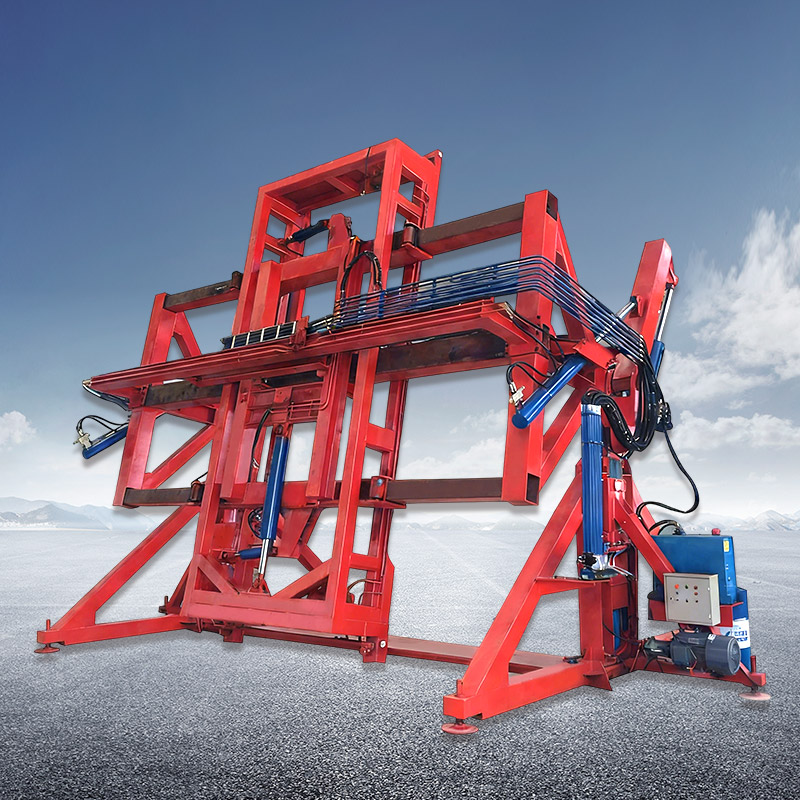
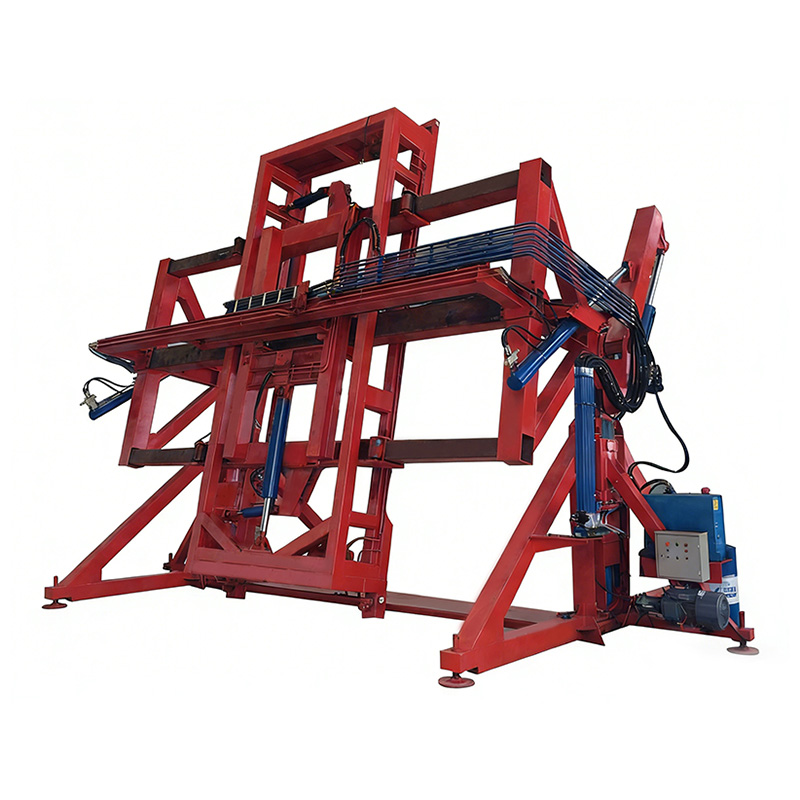
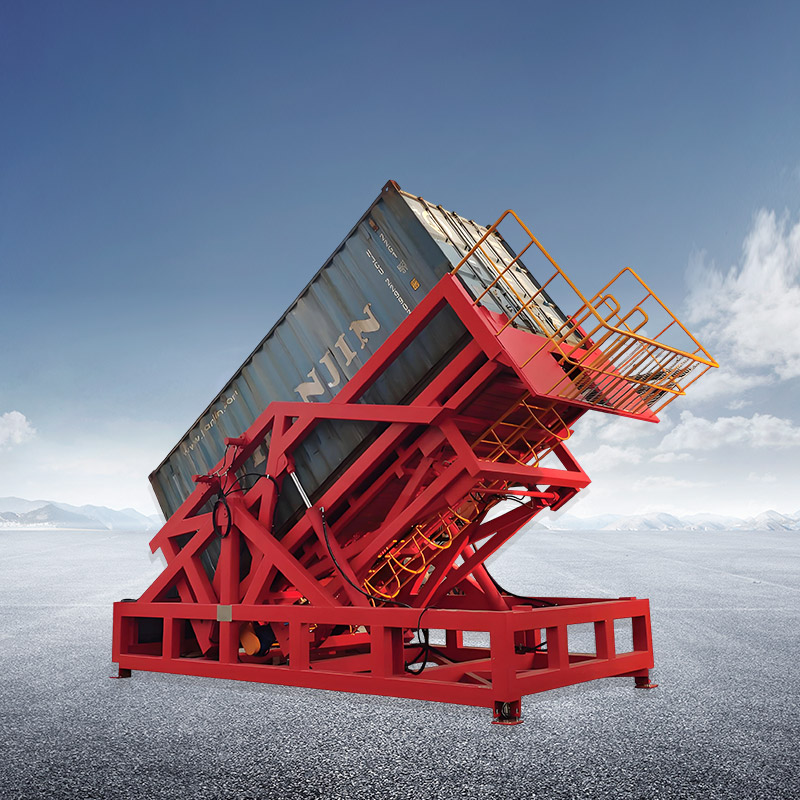
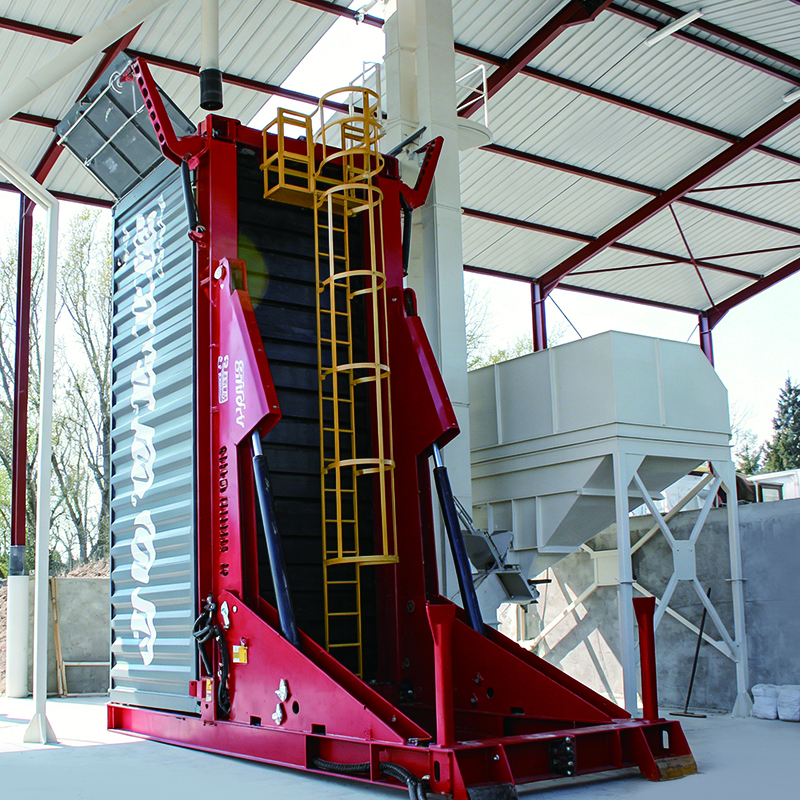
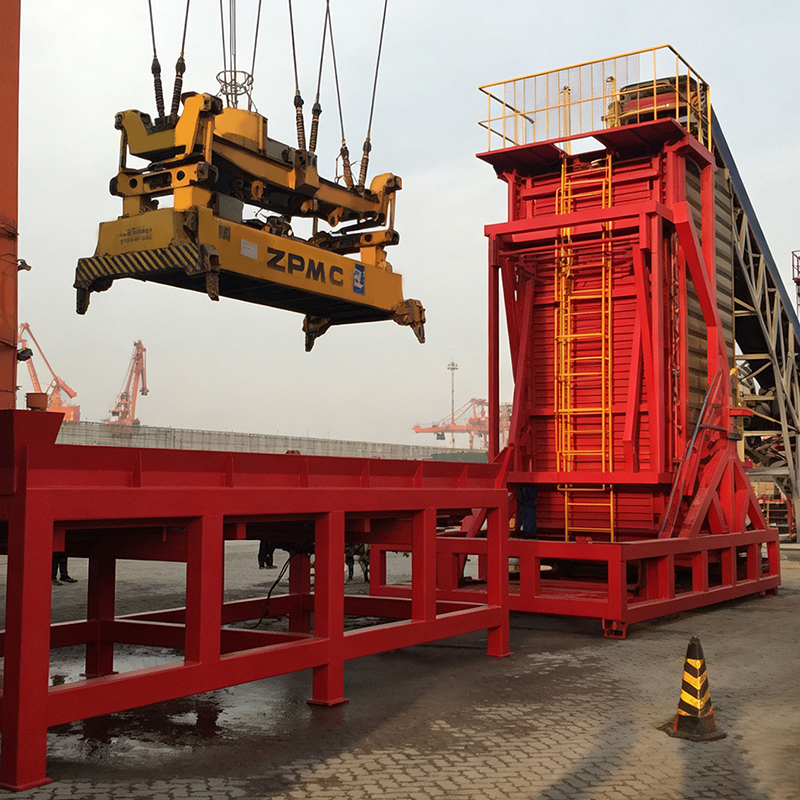
Gantry Container Tilter is a high-performance gantry-type tilting equipment specifically developed for the automated loading and unloading of bulk materials in containers. It is widely used in industries with extremely high requirements for operational efficiency, such as grain, metallurgy, mining, terminals, and papermaking.

Gantry Container Tilter Factory
Product Features
1. Image Display System: Can be configured with an image display system to quickly lock onto the container.
2. Automatic Door Mechanism: Can be configured with an automatic opening and closing mechanism for container doors.
3. Weighing Function: Can be configured with a weighing function.
4. Full-Range Tilting: Specifically designed for container bulk materials, supporting a full range of tilting from 0 to 90°.
5. Heavy-Duty Gantry Frame: Adopts a heavy-duty gantry frame design, capable of stably carrying a lifting weight of 30/40 tons.
6. Automated Control System: Supports an automated control system to achieve automatic positioning, locking, lifting, and tilting of containers.
P14
Main Technical Parameters
|
Model |
Flip form |
Maximum lifting weight/T |
Maximum liting angle |
|
TJXDD 20 |
Single channel |
30/40 |
90° |
|
TJXDS 20 |
Single channel |
30/40 |
90° |
|
TJXSD 20 |
Dual channel |
30/40 |
90° |
|
TJXSS 20 |
Dual channel |
30/40 |
90° |
SEND MESSAGE
Message Feedback
About Us
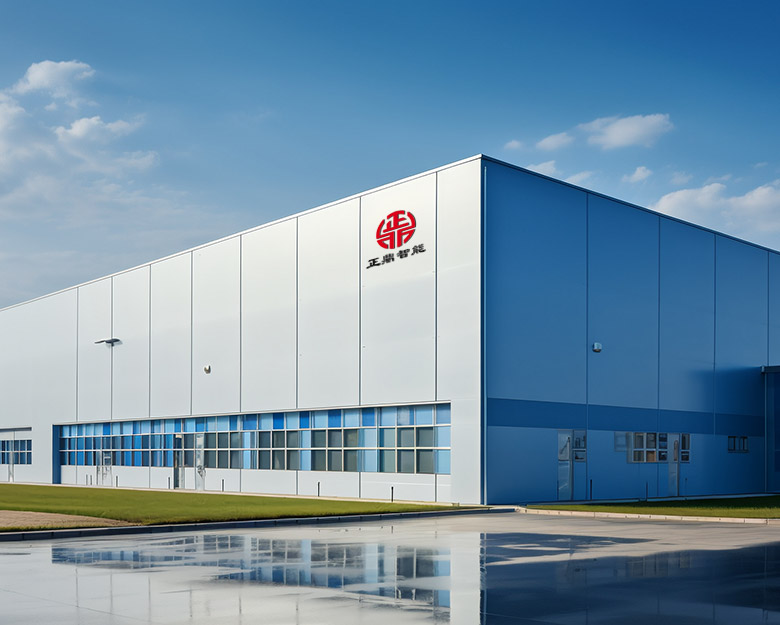
Jiangsu Zhengding Intelligent Equipment Co., Ltd.
Jiangsu Zhengding Intelligent Equipment Co., Ltd. is a national high-tech enterprise mainly engaged in the research and development and manufacturing of intelligent logistics equipment. It can provide systematic solutions for the automatic loading and unloading of cars and containers for customers in different industries.
We are China Gantry Container Tilter Supplier and Custom Gantry Container Tilter Factory, the company wholeheartedly provides users with various types of automatic loading and unloading equipment such as rear dumpers, side dumpers, car loading equipment, container flippers, etc.; it is one of the companies with a relatively complete range of automatic loading and unloading equipment for cars and containers in China. The products are widely used in the steel, chemical, cement, coal, grain, oil and food industries, and are exported to Japan, Brazil, Egypt, Pakistan, India, the Middle East and Southeast Asian countries. Among them, the annual sales volume and technical performance of automatic loading and unloading equipment for cars are in the leading position in China. Typical international users include Budweiser, Heineken, Buhler Group, Wilmar International, Cargill, DuPont, Louis Dreyfuss, Charoen Pokphand Group, Saint-Gobain Group, etc.}
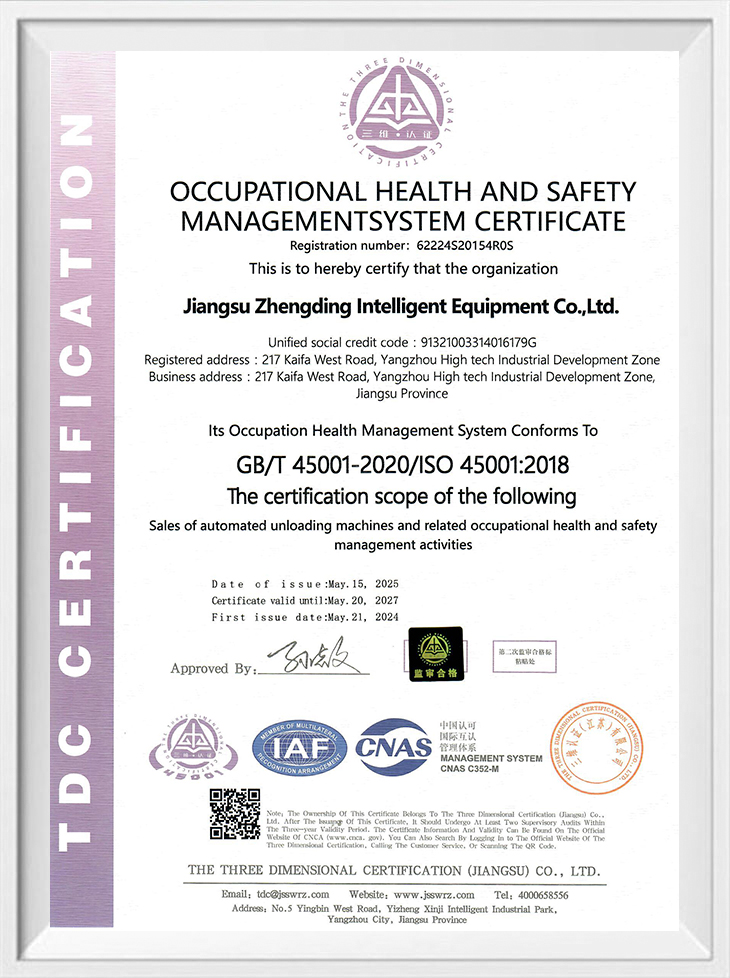
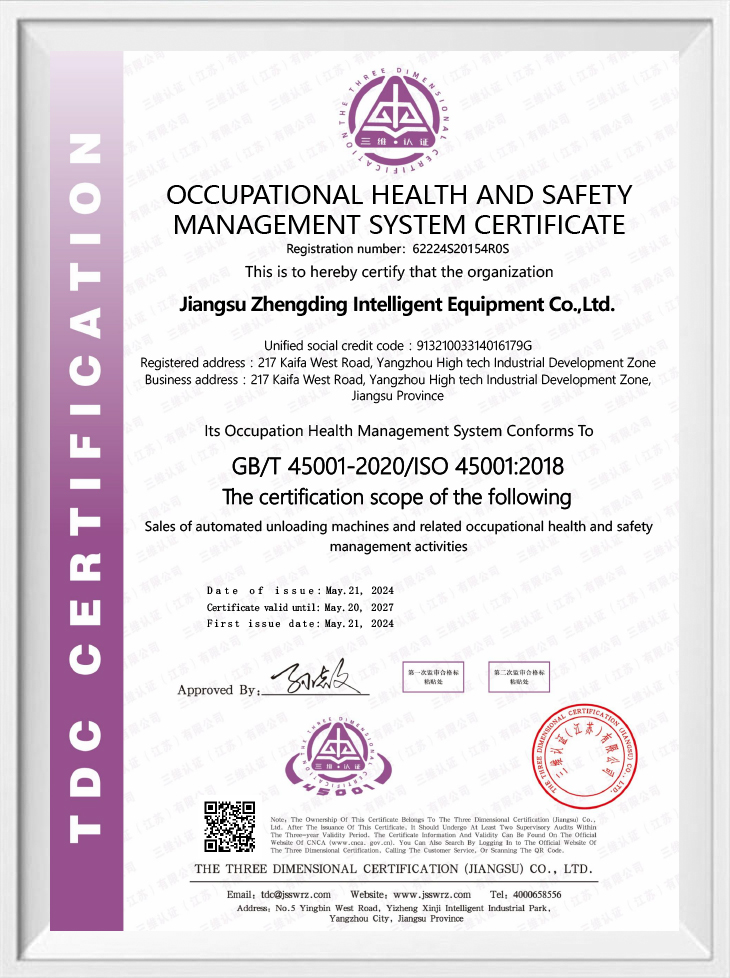
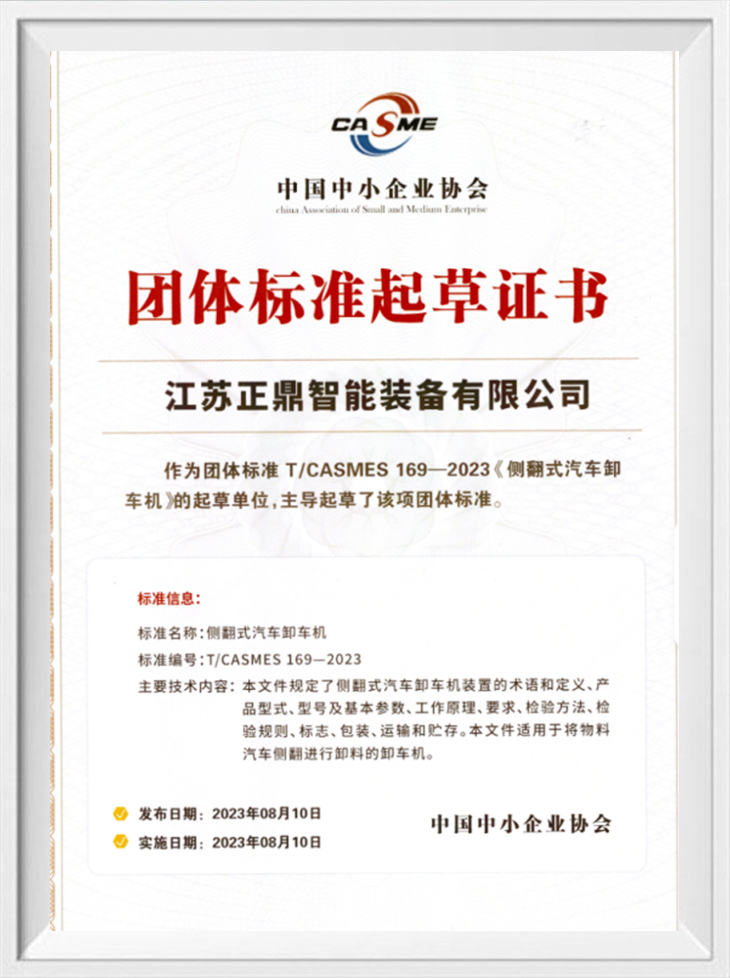
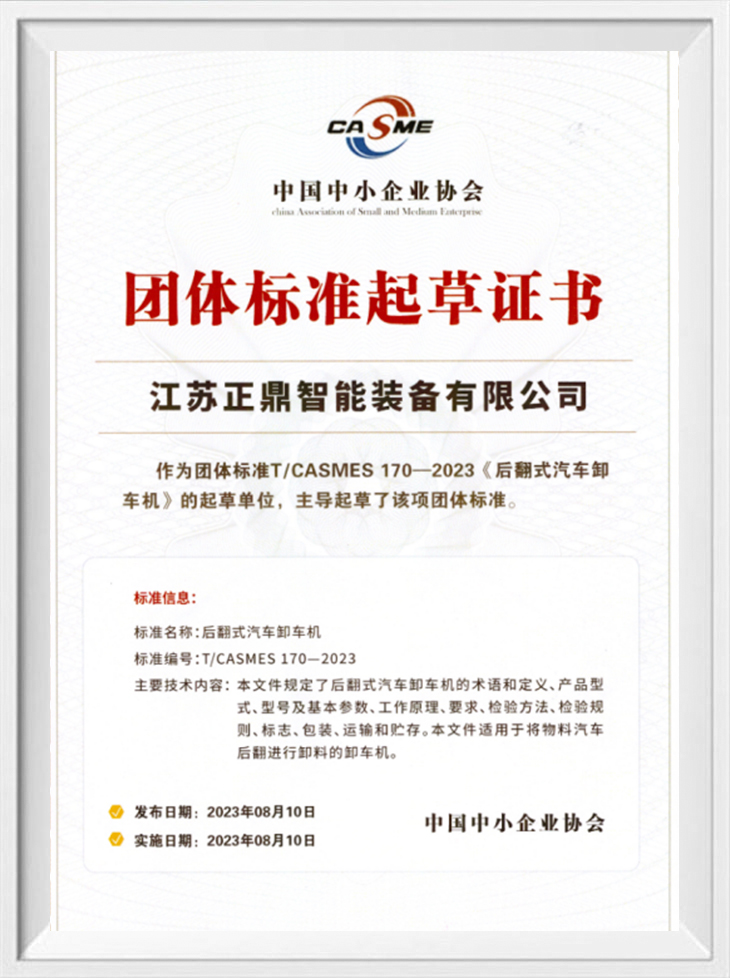
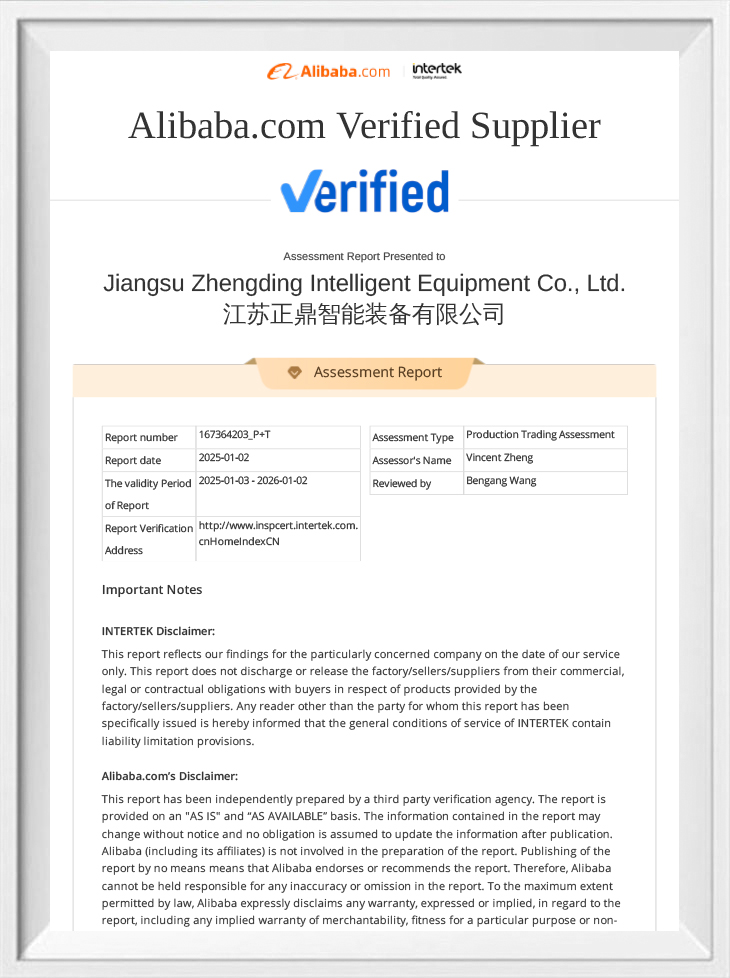
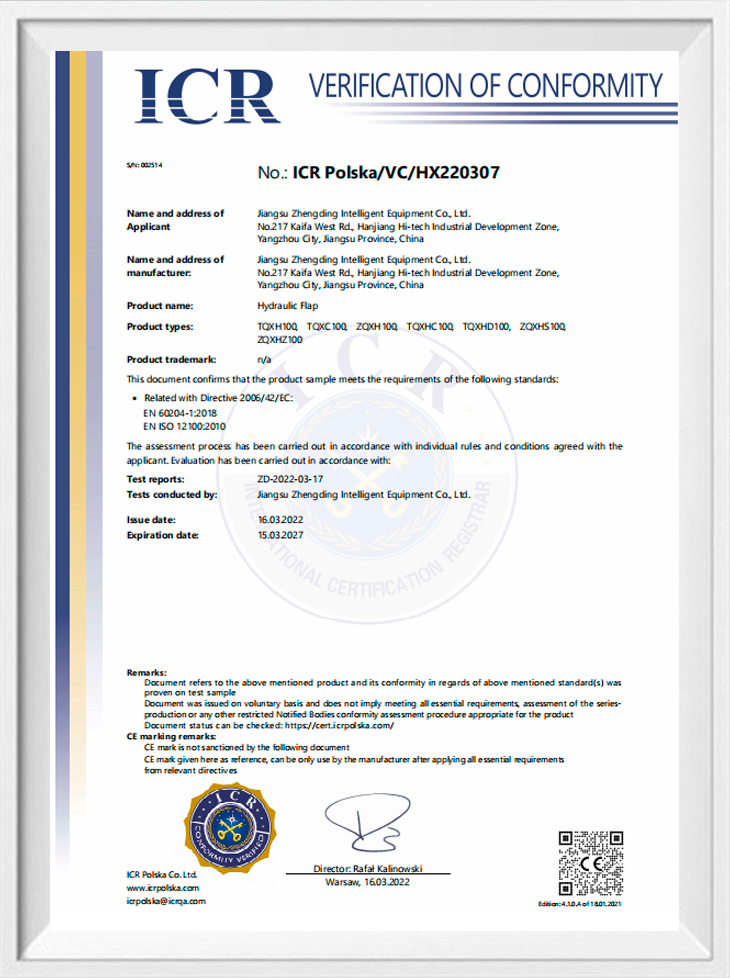
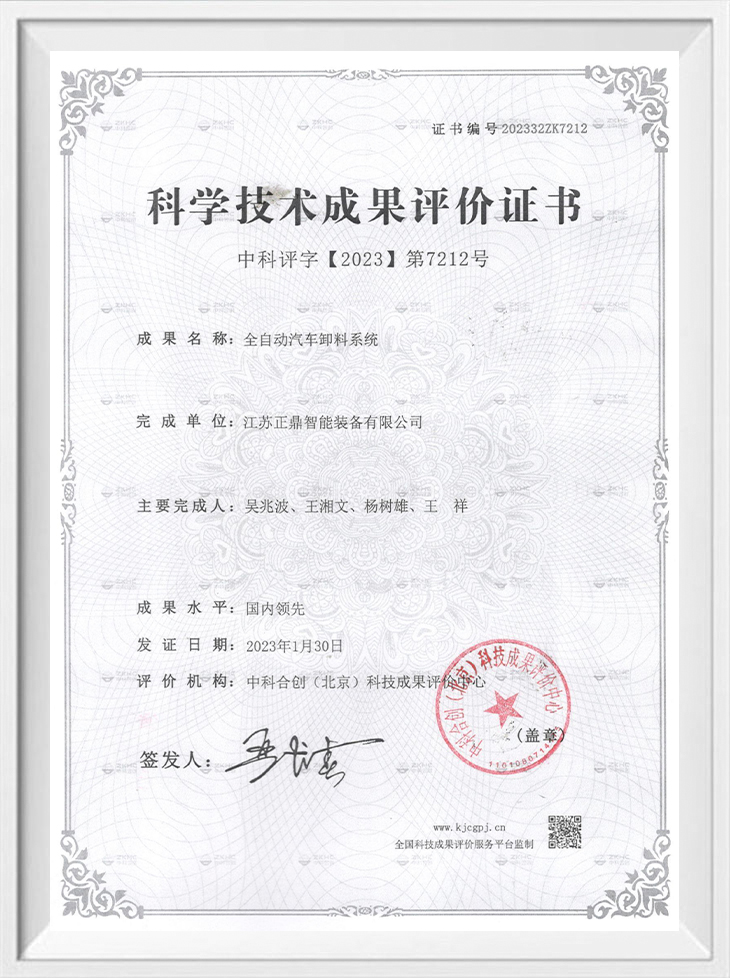
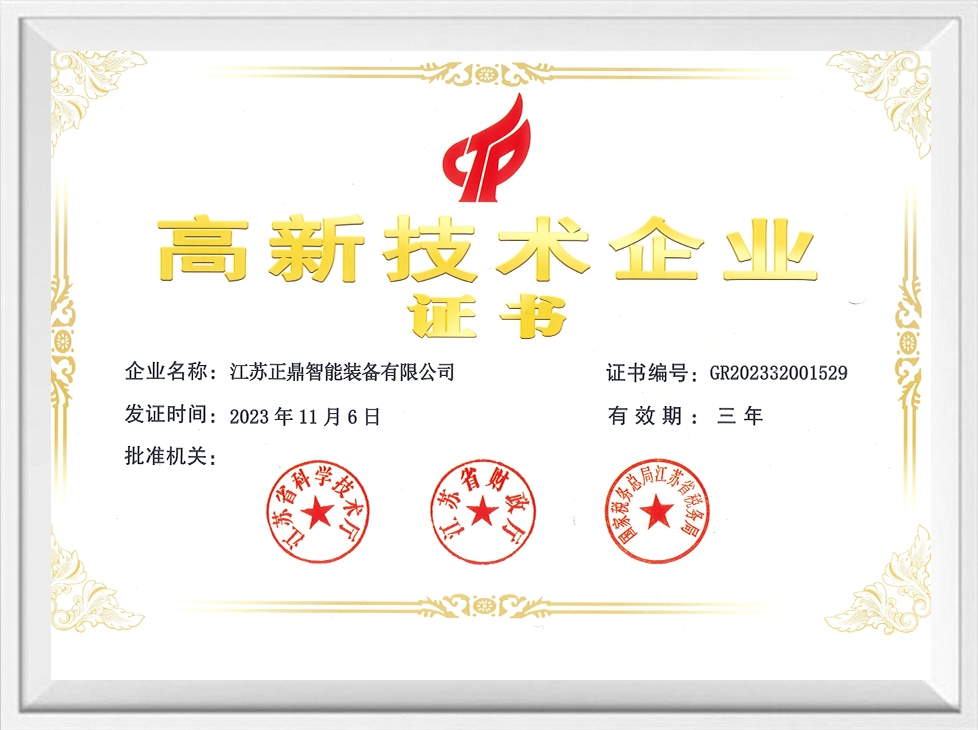
Certificate Of Honor
News
-
A feed mill that runs a grain intake line six days a week will push roughly 1,400 to 1,800 dump cycles through a single truck dumper in one quarter. Over those twelve weeks the hydraulic oil has been heated and cooled thousands of times, the pivot pins have carried the full weig...
READ MORE -
A ready-mix batching plant can have excellent mixers, accurate scales, and a modern control room, yet still lose output at the gate. The bottleneck is often material intake: aggregate trucks queue, cement tankers wait, and loader operators shuttle between stockpiles. For batchin...
READ MORE -
A 40-foot container of bagged resin arrives at 7:40 in the morning and the yard clock starts running. If two forklift operators need an hour and a half to strip that box by hand, one late arrival can push your inbound schedule into the night shift, and the demurrage bill follows...
READ MORE
Container Loading And Unloading Equipment Industry knowledge
1. What Is a Gantry Container Tilter and Its Primary Uses?
A gantry container tilter is a heavy-duty industrial machine designed to safely rotate shipping containers (typically 20ft or 40ft) to angles between 45° and 135° for efficient unloading of bulk materials, scrap, grains, minerals, or waste. Unlike traditional forklift attachments, a gantry-style tilter provides stable, controlled tipping with ±1° angular precision, reducing material spillage by up to 35% compared to conventional methods.
Main applications: bulk grain terminals (unloading corn, soybeans, wheat), recycling centers (scrap metal, e-waste), cement and aggregate facilities, and chemical powder handling. For instance, a grain terminal processing 150,000 metric tons per year can reduce unloading time by 42% after adopting a gantry container tilter, achieving throughput of 4-6 containers per hour.
As shown, grain handling and recycling represent over 76% of installations, demonstrating the gantry container tilter's critical role in bulk material logistics.
2. Working Principle & Structural Advantages
The gantry container tilter uses a robust overhead frame with dual hydraulic cylinders that engage container corner castings. It rotates the container around a pivoting axis, allowing controlled material discharge into hoppers or conveyors. Key advantages over traditional methods include: reduced manual labor (from 4-5 operators to 1-2), lower dust emissions (up to 60% reduction with sealed discharge chutes), and consistent tilt speed (adjustable from 0.5° to 3° per second).
The gantry tilter reduces unloading time by 44%, lowers spillage from 8.5% to 2.2%, and cuts operator requirements by 62.5% — delivering significant operational savings.
(1) Key Structural Components & Safety Features
- Heavy-duty welded steel gantry frame with anti-corrosion coating: structural lifespan exceeding 20 years under normal operation.
- Dual hydraulic cylinders with integrated overload protection: maximum lifting capacity up to 35 metric tons (for fully loaded 40ft containers).
- Automatic safety locking system prevents uncontrolled descent; meets ISO 12100 safety standards.
3. Typical Applications & Technical Specifications Table
Gantry container tilters are designed for high-volume, repetitive unloading tasks. The table below shows recommended operating parameters for different material types based on field data from over 150 installations worldwide.
| Material Type | Bulk Density (t/m³) | Optimal Tilt Angle | Throughput (containers/hr) |
|---|---|---|---|
| Corn / Soybeans | 0.72 – 0.78 | 50° – 55° | 4 – 6 |
| Scrap Metal | 0.9 – 1.2 | 75° – 90° | 3 – 5 |
| Cement Clinker | 1.2 – 1.5 | 60° – 65° | 3 – 4 |
| Chemical Powders | 0.5 – 0.8 | 45° – 50° | 5 – 7 |
Data shows that with proper tilt angle selection, a single gantry container tilter can handle 3 to 7 containers per hour, translating to annual throughput of 80,000 to 180,000 metric tons depending on shift patterns.
4. Industry Solutions from Jiangsu Zhengding Intelligent Equipment Co., Ltd.
Jiangsu Zhengding Intelligent Equipment Co., Ltd. is a national high-tech enterprise mainly engaged in the research and development and manufacturing of intelligent logistics equipment. It can provide systematic solutions for the automatic loading and unloading of cars and containers for customers in different industries.
The company wholeheartedly provides users with various types of automatic loading and unloading equipment such as rear dumpers, side dumpers, car loading equipment, container flippers, etc.; it is one of the companies with a relatively complete range of automatic loading and unloading equipment for cars and containers in China. The products are widely used in the steel, chemical, cement, coal, grain, oil and food industries, and are exported to Japan, Brazil, Egypt, Pakistan, India, the Middle East and Southeast Asian countries. Among them, the annual sales volume and technical performance of automatic loading and unloading equipment for cars are in the leading position in China. Typical international users include Budweiser, Heineken, Buhler Group, Wilmar International, Cargill, DuPont, Louis Dreyfuss, Charoen Pokphand Group, Saint-Gobain Group, etc.
For gantry container tilter applications, Jiangsu Zhengding offers customized engineering support to ensure seamless integration with existing conveyor systems, dust collection units, and container handling logistics.
5. Frequently Asked Questions (FAQ)
Q1: What container sizes can a gantry container tilter handle?
A1: Standard gantry tilters accommodate 20ft, 40ft, and 45ft ISO containers. Some models can handle 10ft and 15ft specialty boxes with adjustable clamping mechanisms. Capacity ranges from 15 to 35 metric tons depending on frame design.
Q2: How much floor space is required for installation?
A2: A typical gantry container tilter requires an operational area of approximately 12m (L) × 6m (W) × 5m (H) for 40ft containers. This includes clearance for container maneuvering and discharge hopper placement. Mobile/portable versions are available with a reduced footprint of 8m × 4m for 20ft containers.
Q3: Can the tilter be integrated with dust extraction systems?
A3: Yes. The discharge area can be enclosed with flexible skirts connected to a dust collector. Field measurements show that such integration reduces airborne particulate matter by 65% to 85% compared to open tipping, helping facilities meet OSHA and EPA dust emission limits.
Q4: What is the typical hydraulic system maintenance interval?
A4: Hydraulic oil should be changed every 2,000 operating hours or annually, whichever comes first. Cylinder seals typically last 5 to 7 years under normal duty cycles (8–10 containers per day). Regular filter replacement every 500 hours extends component life.
Q5: Is operator training required for safe use?
A5: Yes. Operators should complete a 4-hour training session covering emergency stops, load balancing, and visual inspection. Facilities that implement structured training programs report 40% fewer incident rates compared to those with informal training.

RESEARCH AND DEVELOPMENT, MANUFACTURING AND SALES OF VARIOUS
AUTOMATED LOADING AND UNLOADING EQUIPMENT FOR AUTOMOBILES, CONTAINERS, SHIPS, ETC.
-
 CONTACT NUMBER
+86-13588556918
-
 ADDRESS
217 Kaifa West Road, Hanjiang District, Yangzhou City, Jiangsu Province China
-
 SAY HELLO
cnwzb@163.com
COMPANY
MOBILE TERMINAL
Copyright @ Jiangsu Zhengding Intelligent Equipment Co., Ltd. All Rights Reserved.
 China Gantry Container Tilter Supplier
Custom Gantry Container Tilter Factory
China Gantry Container Tilter Supplier
Custom Gantry Container Tilter Factory