
 English
 русский
 Español
 Français
 Português
 عربى
عربى

A feed mill that runs a grain intake line six days a week will push roughly 1,400 to 1,800 dump cycles through a single truck dumper in one quarter. Over those...
READ MORE
OEM Container Loading And Unloading Equipment
PRODUCT CLASSIFICATION

Container Loading And Unloading Equipment Manufacturer
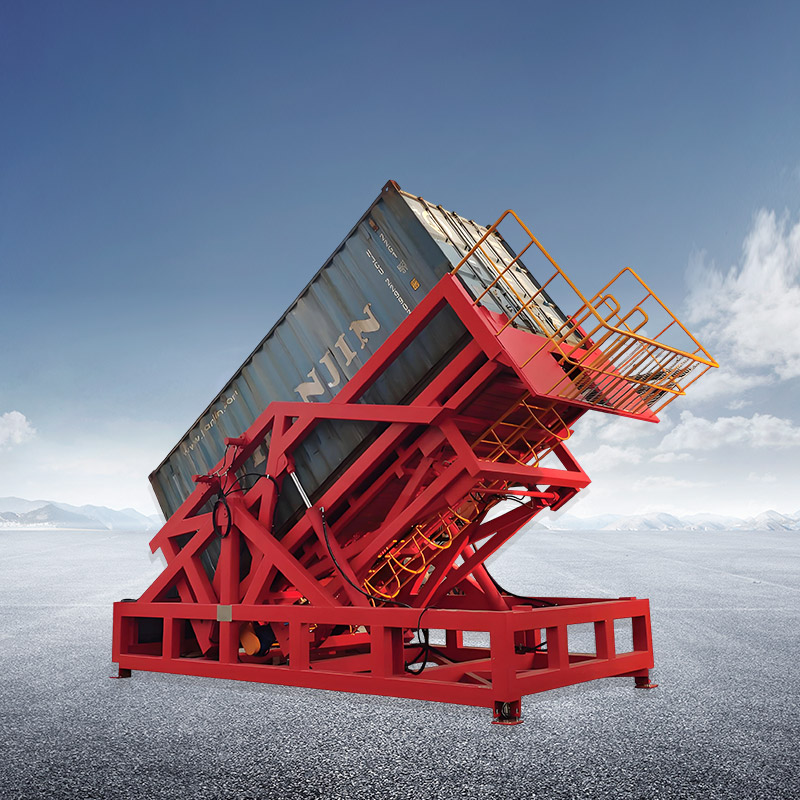
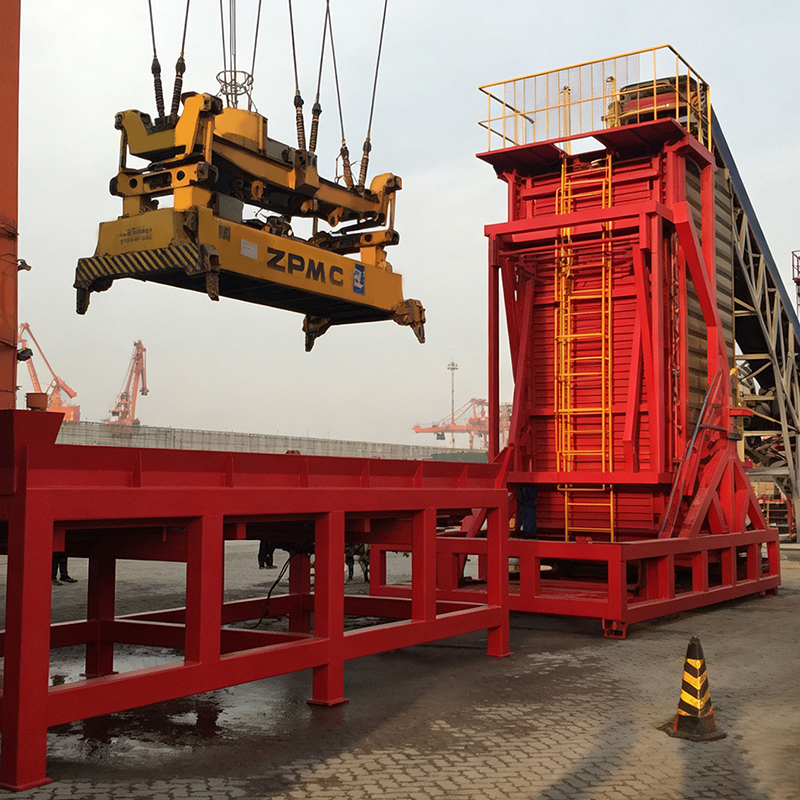
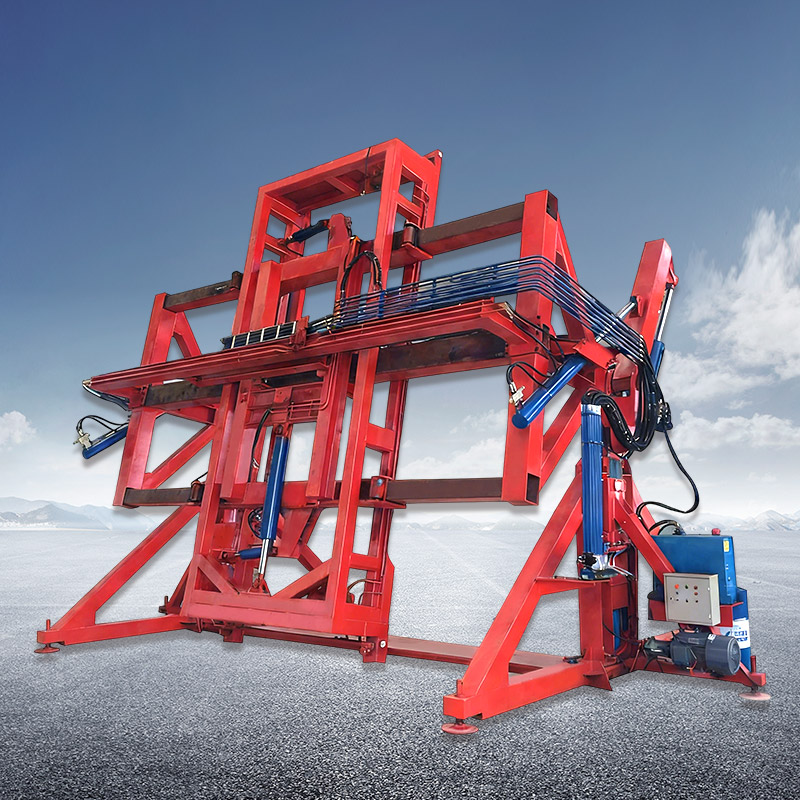
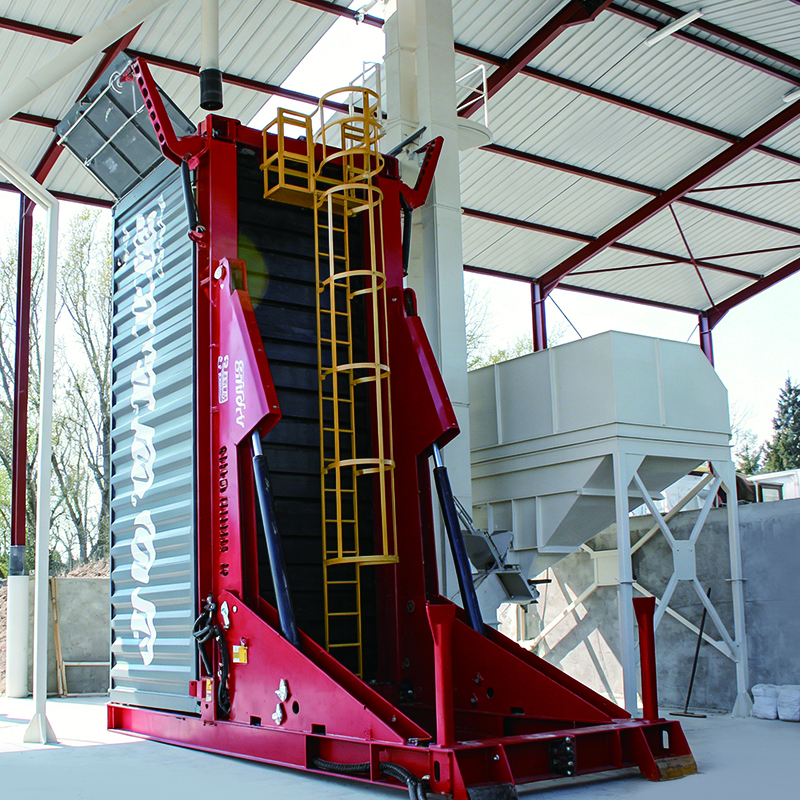
Container loading and unloading equipment is mainly used for loading and unloading materials of 20-foot or 40-foot containers, and various types container turning machines are provided according to process requirements and site conditions to meet the loading and unloading of containers in various special occasions.
Message Feedback
About Us
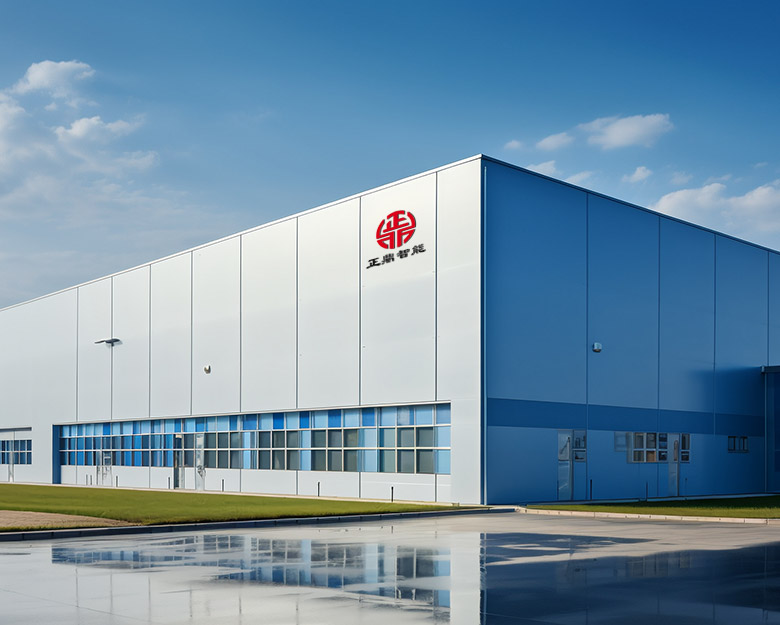
Jiangsu Zhengding Intelligent Equipment Co., Ltd.
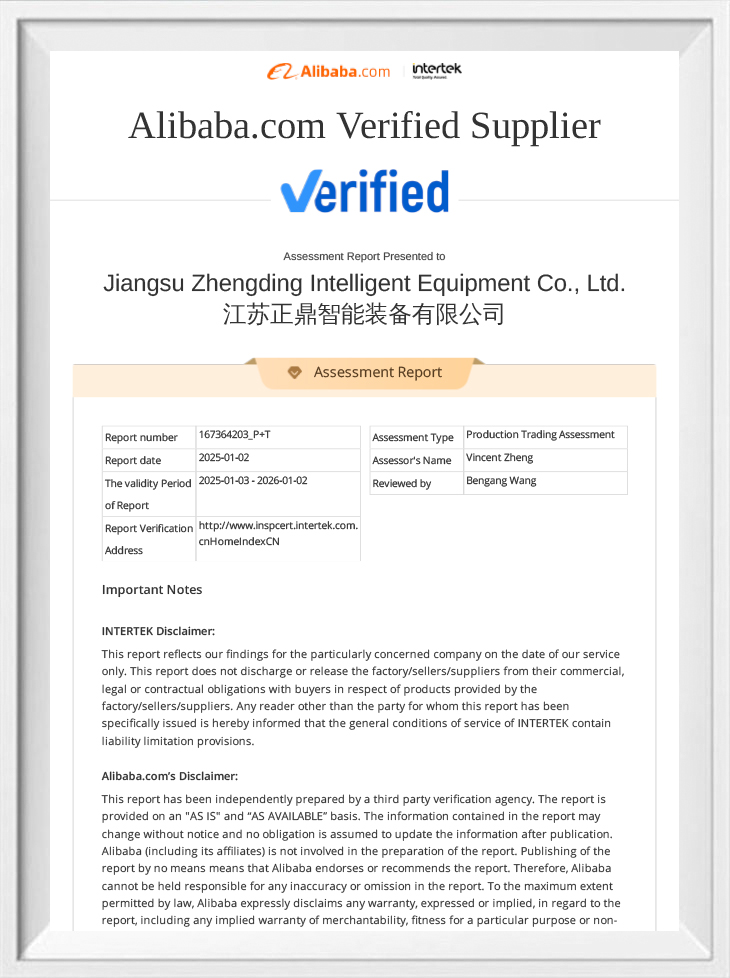
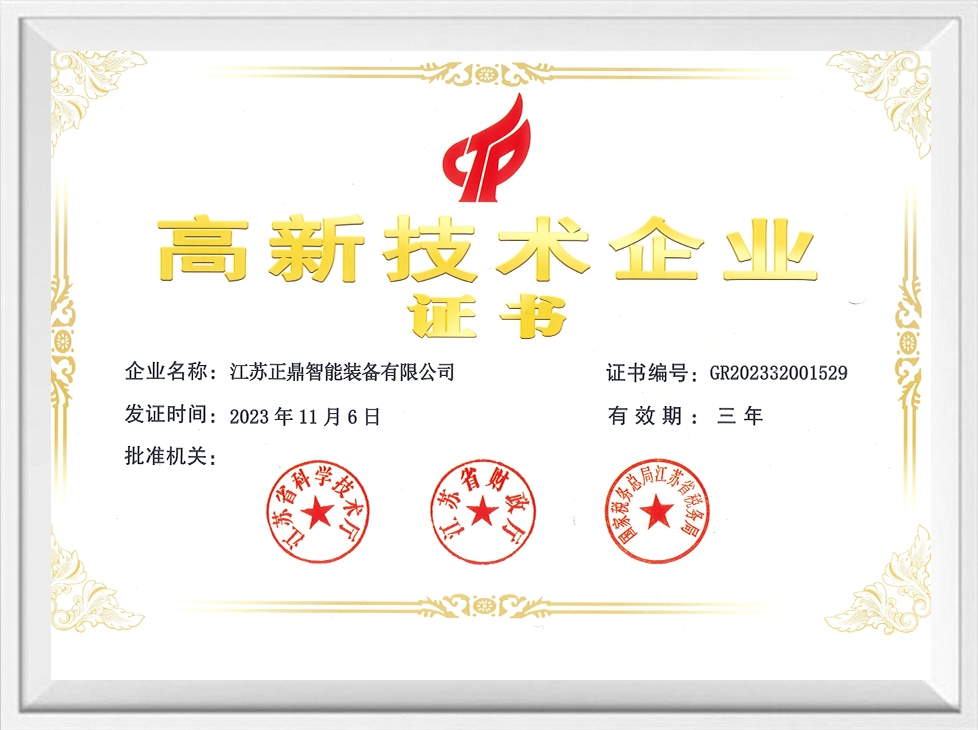
Jiangsu Zhengding Intelligent Equipment Co., Ltd. is a national high-tech enterprise mainly engaged in the research and development and manufacturing of intelligent logistics equipment. It can provide systematic solutions for the automatic loading and unloading of cars and containers for customers in different industries.
We are OEM Container Loading And Unloading Equipment Company and Container Loading And Unloading Equipment Manufacturer, the company wholeheartedly provides users with various types of automatic loading and unloading equipment such as rear dumpers, side dumpers, car loading equipment, container flippers, etc.; it is one of the companies with a relatively complete range of automatic loading and unloading equipment for cars and containers in China. The products are widely used in the steel, chemical, cement, coal, grain, oil and food industries, and are exported to Japan, Brazil, Egypt, Pakistan, India, the Middle East and Southeast Asian countries. Among them, the annual sales volume and technical performance of automatic loading and unloading equipment for cars are in the leading position in China. Typical international users include Budweiser, Heineken, Buhler Group, Wilmar International, Cargill, DuPont, Louis Dreyfuss, Charoen Pokphand Group, Saint-Gobain Group, etc.
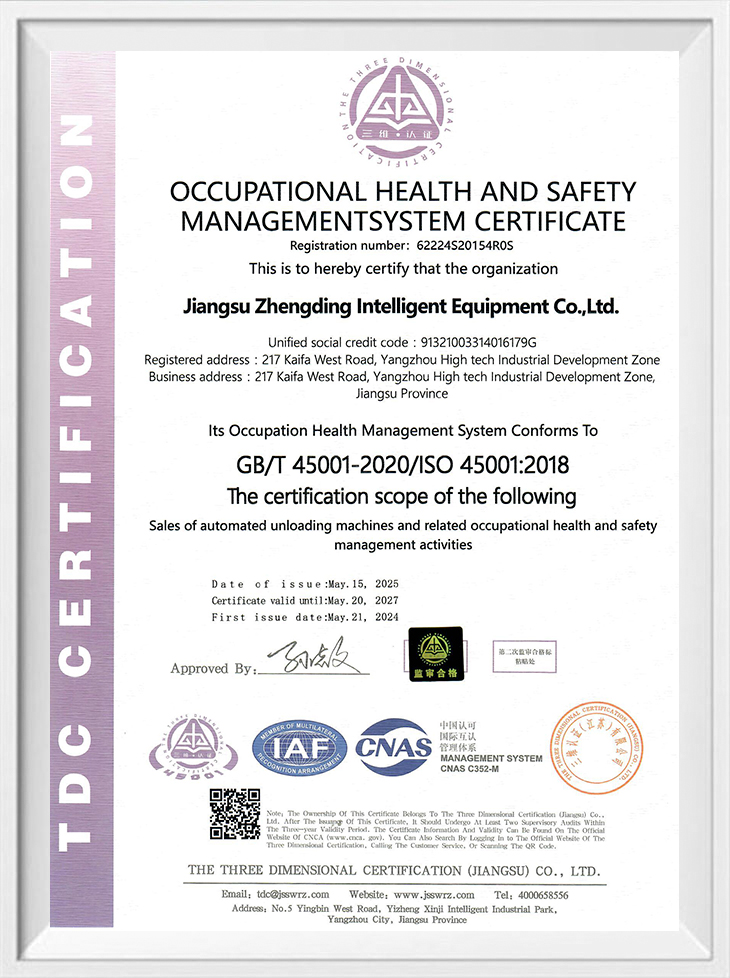
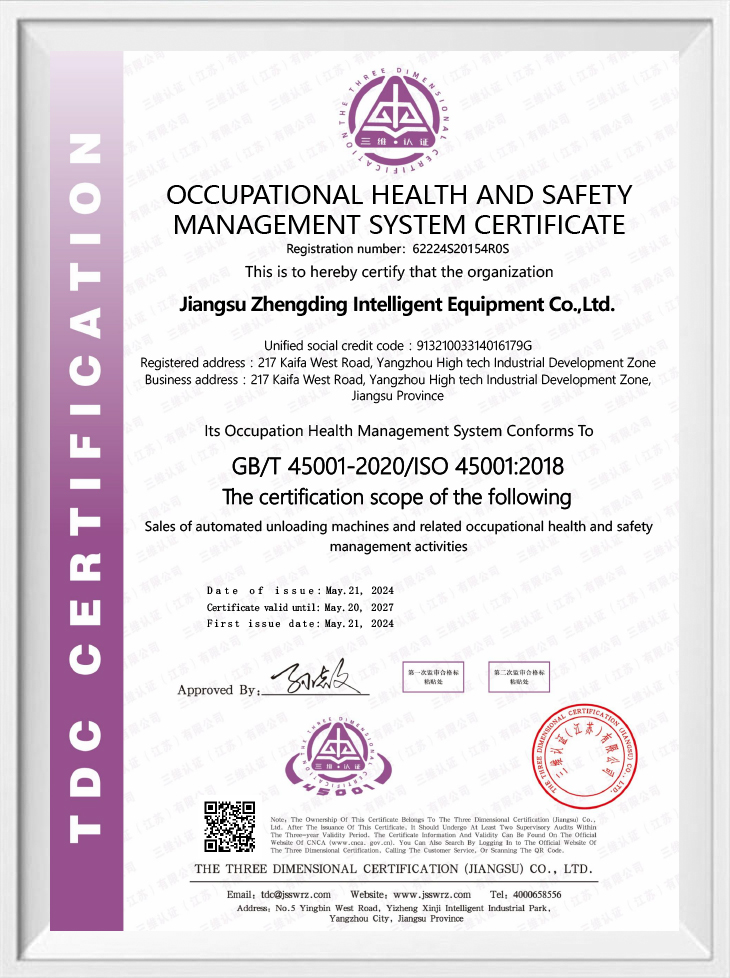
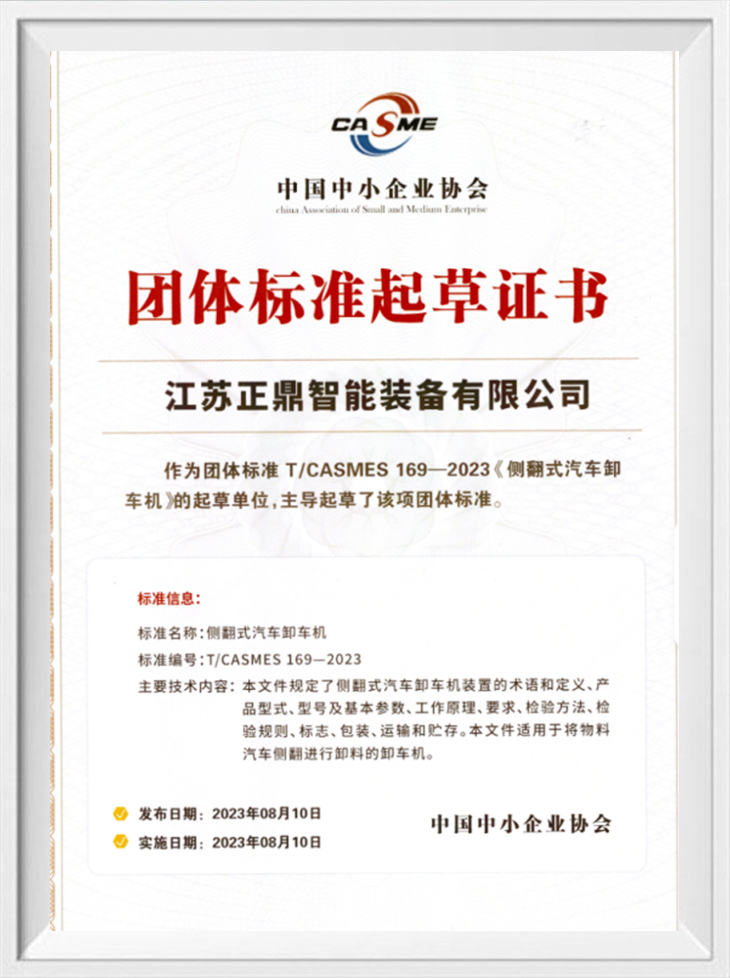
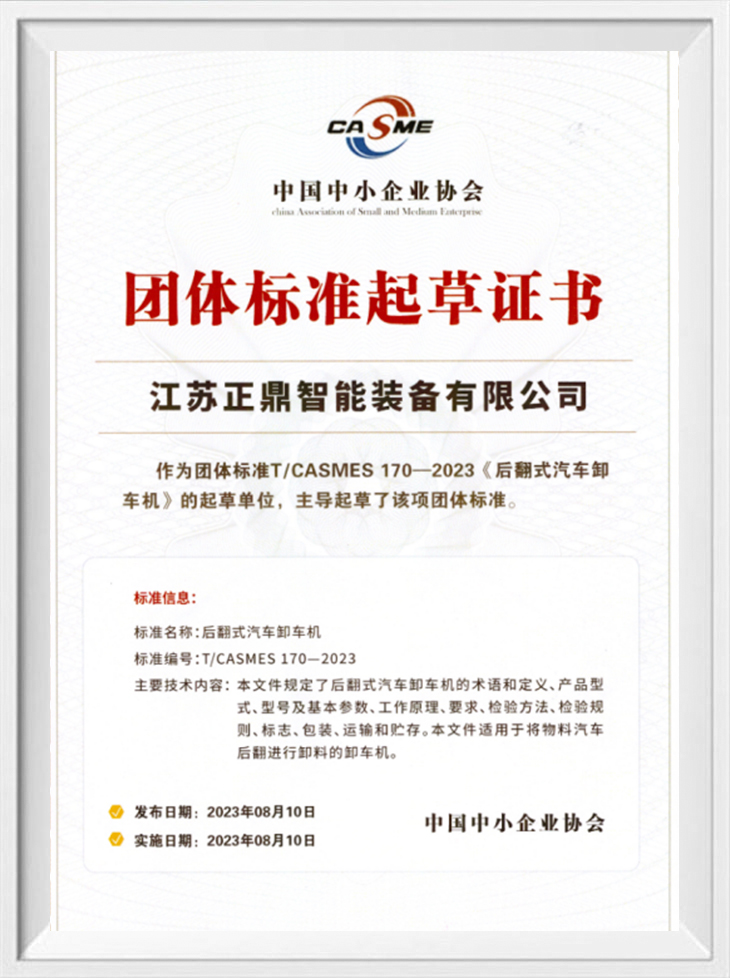
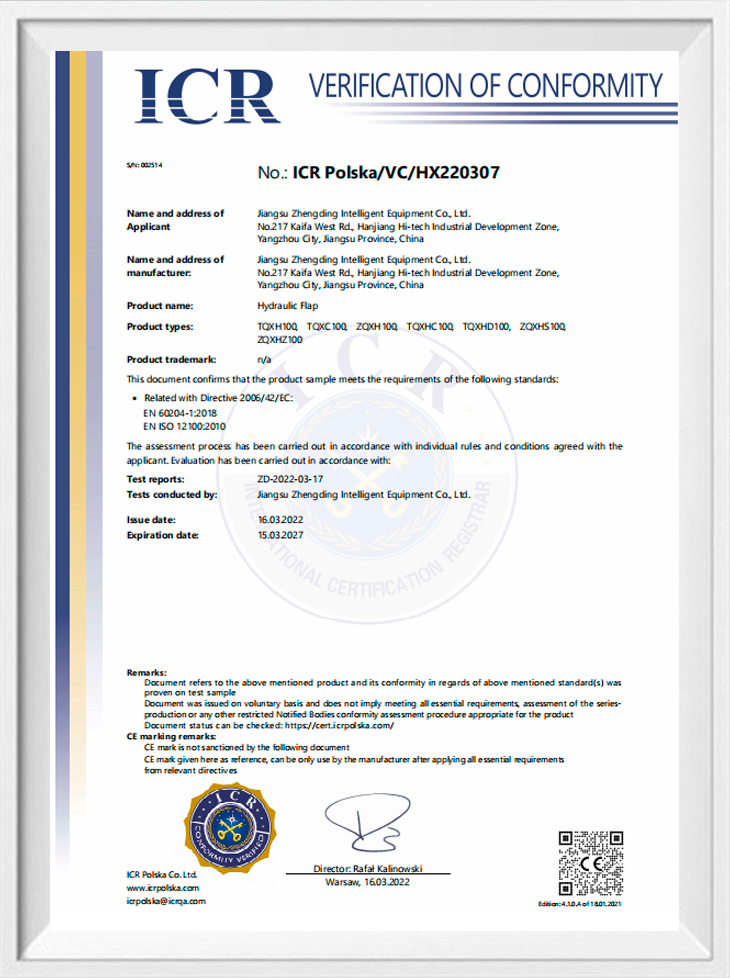
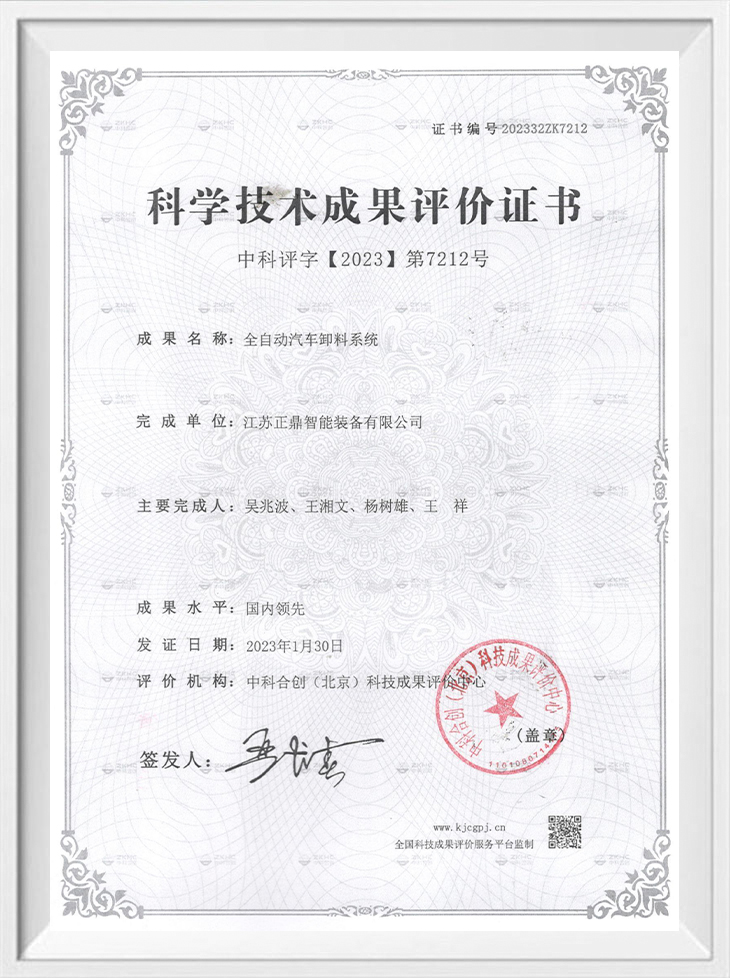
Certificate Of Honor
News
-
-
A ready-mix batching plant can have excellent mixers, accurate scales, and a modern control room, yet still lose output at the gate. The bottleneck is often ma...
READ MORE -
A 40-foot container of bagged resin arrives at 7:40 in the morning and the yard clock starts running. If two forklift operators need an hour and a half to stri...
READ MORE -
A grain terminal schedules twenty-eight trucks between 6 a.m. and 2 p.m. If each truck waits thirty-five minutes because unloading depends on a front-end loade...
READ MORE
Container Loading And Unloading Equipment Industry knowledge
1. What Is Container Loading and Unloading Equipment
Container loading and unloading equipment refers to specialized machinery designed to fill bulk materials into shipping containers or empty them efficiently. These systems include container flippers, rotary tippers, rear dumpers, side dumpers, and automated conveyor loaders. They are essential in ports, logistics centers, and industrial plants handling grain, cement, coal, chemicals, steel products, and other bulk commodities.
Industry data from 2025 indicates that facilities using automated container loading and unloading equipment achieve unloading time reduction of 65 to 80 percent compared to manual methods. The global adoption rate for these systems has grown by approximately 10 percent annually over the past five years, driven by labor efficiency and safety requirements.
(1) Main types of container handling equipment
- Container flippers or tippers – rotate the entire container to discharge bulk materials by gravity.
- Rear dumpers – tilt the container backward for unloading at a dock or hopper.
- Side dumpers – discharge materials laterally, ideal for constrained spaces.
- Automatic container loaders – use belt conveyors or push systems to fill containers uniformly.
Operational example: A grain terminal using automated container loading equipment processed 180 containers per day, with each loading cycle completed in 4.5 minutes on average, compared to 18 minutes previously.
2. How Does Container Loading and Unloading Equipment Work
The working principle varies by equipment type, but most systems rely on hydraulic or mechanical motion combined with gravity flow. For unloading, the container is secured on a platform, tilted or rotated to a specified angle, and the bulk material flows into a receiving hopper or conveyor. For loading, material is fed into the container through a telescopic chute or belt system that moves along the container length.
(2) Container unloading process step by step
- The container is positioned on the platform using a forklift or reach stacker.
- Wheel clamps or container locks engage to secure the unit.
- Hydraulic cylinders raise the platform to the preset tilt angle, typically 45 to 55 degrees.
- Bulk material flows by gravity into the receiving hopper or onto a conveyor belt.
- The platform returns to horizontal, locks release, and the container is removed.
Modern container handling systems incorporate PLC based automation that controls tilt angle and cycle timing based on material characteristics. The hydraulic system typically operates at pressures of 200 to 300 bar, capable of handling container gross weights up to 35 metric tons.
(3) Time efficiency comparison – Horizontal bar chart
The horizontal bar chart demonstrates that automated container handling equipment significantly outperforms manual methods. A facility processing 80 containers per shift can save approximately 15 working hours per day compared to manual unloading.
3. Performance Metrics and Operational Advantages
(4) Adoption rate by industry – Column Chart
(5) Productivity growth trend from 2019 to 2026 – Line Chart
The line chart indicates that from 2019 to 2026, facilities using automated container loading and unloading equipment can expect a productivity increase of approximately 122 percent, driven by improved hydraulic systems and automation technologies.
(6) Radar chart – Manual versus Automated Container Handling
The radar chart illustrates that automated container loading and unloading equipment delivers superior performance across handling speed, worker safety, labor efficiency, material loss reduction, and space utilization compared to manual handling methods.
4. Comprehensive Solutions from Jiangsu Zhengding Intelligent Equipment
Jiangsu Zhengding Intelligent Equipment Co., Ltd. is a national high-tech enterprise mainly engaged in the research and development and manufacturing of intelligent logistics equipment. It can provide systematic solutions for the automatic loading and unloading of cars and containers for customers in different industries.
The company wholeheartedly provides users with various types of automatic loading and unloading equipment such as rear dumpers, side dumpers, car loading equipment, container flippers, etc. It is one of the companies with a relatively complete range of automatic loading and unloading equipment for cars and containers in China. The products are widely used in the steel, chemical, cement, coal, grain, oil and food industries, and are exported to Japan, Brazil, Egypt, Pakistan, India, the Middle East and Southeast Asian countries. Among them, the annual sales volume and technical performance of automatic loading and unloading equipment for cars are in the leading position in China. Typical international users include Budweiser, Heineken, Buhler Group, Wilmar International, Cargill, DuPont, Louis Dreyfuss, Charoen Pokphand Group, Saint-Gobain Group, etc.
| Equipment Type | Cycle Duration | Typical Materials |
|---|---|---|
| Container Flipper | 1.5 to 2.5 minutes | Grain, cement, coal, minerals |
| Rear Dumper | 2.5 to 3.5 minutes | Construction aggregates, ores |
| Side Dumper | 2.8 to 3.8 minutes | Chemicals, fertilizers, plastic pellets |
| Automatic Container Loader | 3.0 to 4.5 minutes | Powders, granules, packaged goods |
Zhengding's container handling equipment features wear resistant construction, sealed hydraulic systems, and integrated dust control, contributing to extended service life and improved workplace environmental conditions.
5. Frequently Asked Questions
Q1: What is the typical tilt angle for container unloading equipment?
A1: Most container flippers and dumpers operate at tilt angles between 45 and 55 degrees. The optimal angle depends on the bulk material's flow characteristics. Materials with higher moisture or cohesion may require a steeper angle, typically up to 60 degrees, to ensure complete discharge.
Q2: How does a container flipper differ from a rotary dumper?
A2: A container flipper typically rotates the container up to 180 degrees using a hydraulic platform, suitable for most bulk materials. A rotary dumper continuously rotates the container for complete inversion, which may be preferred for sticky or fine powders. The choice depends on material characteristics and facility layout.
Q3: What maintenance is required for container handling equipment?
A3: Regular inspection of hydraulic cylinders, pivot bearings, and container locking mechanisms is recommended. Hydraulic fluid should be changed according to the manufacturer's schedule, typically every 2000 to 2500 operating hours. Wear plates and seals may require periodic replacement depending on material abrasiveness and usage frequency.

RESEARCH AND DEVELOPMENT, MANUFACTURING AND SALES OF VARIOUS
AUTOMATED LOADING AND UNLOADING EQUIPMENT FOR AUTOMOBILES, CONTAINERS, SHIPS, ETC.
-
 CONTACT NUMBER
+86-13588556918
-
 ADDRESS
217 Kaifa West Road, Hanjiang District, Yangzhou City, Jiangsu Province China
-
 SAY HELLO
cnwzb@163.com
COMPANY
MOBILE TERMINAL
