
 English
 русский
 Español
 Français
 Português
 عربى
عربى

A feed mill that runs a grain intake line six days a week will push roughly 1,400 to 1,800 dump cycles through a single truck dumper in one quarter. Over those...
READ MORE
OEM Oat Processing Equipment
PRODUCT CLASSIFICATION

Oat Processing Equipment Manufacturer
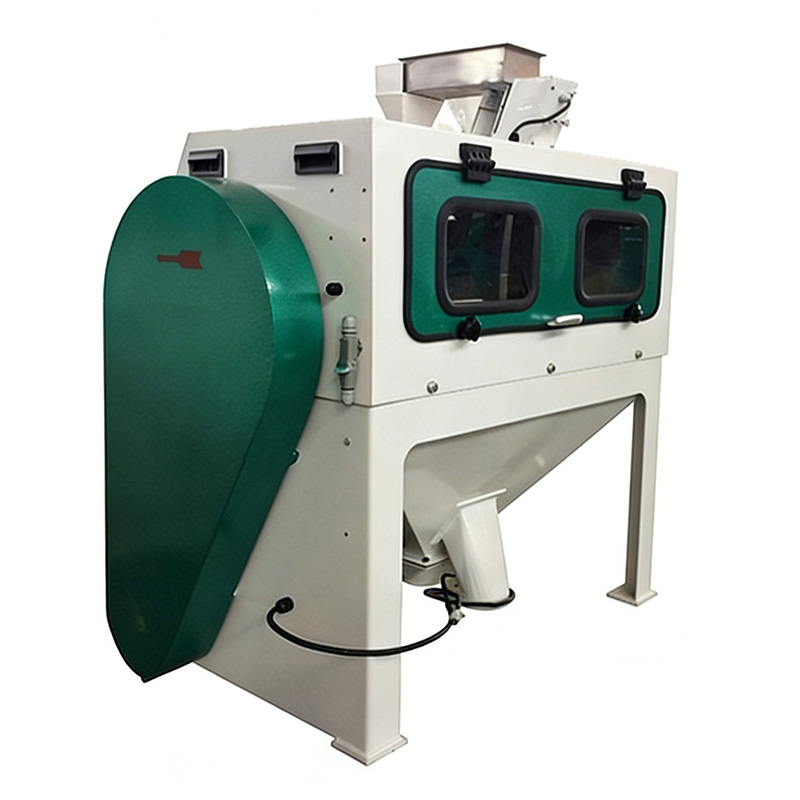
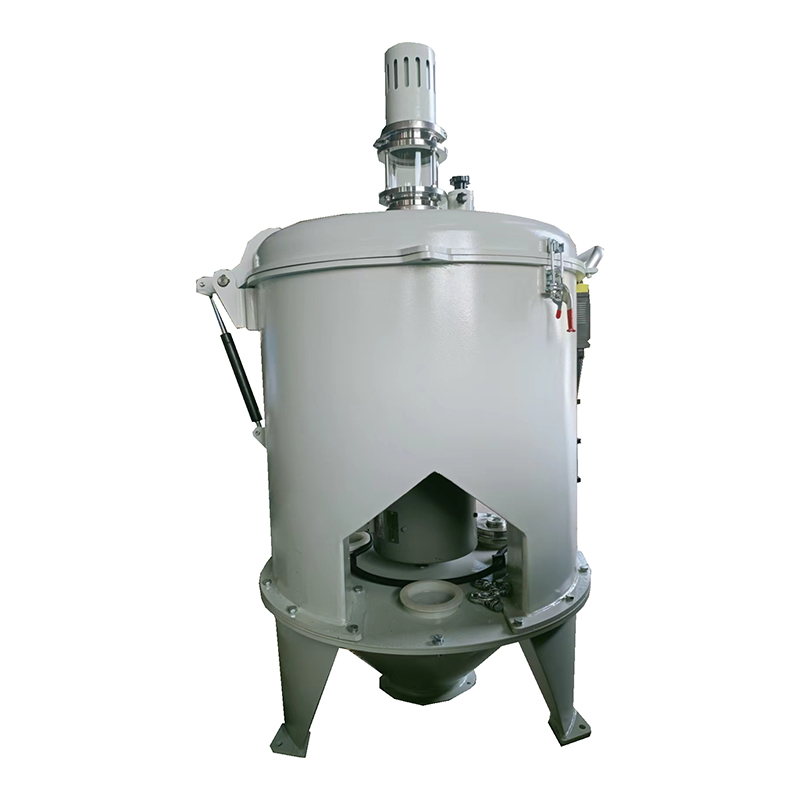
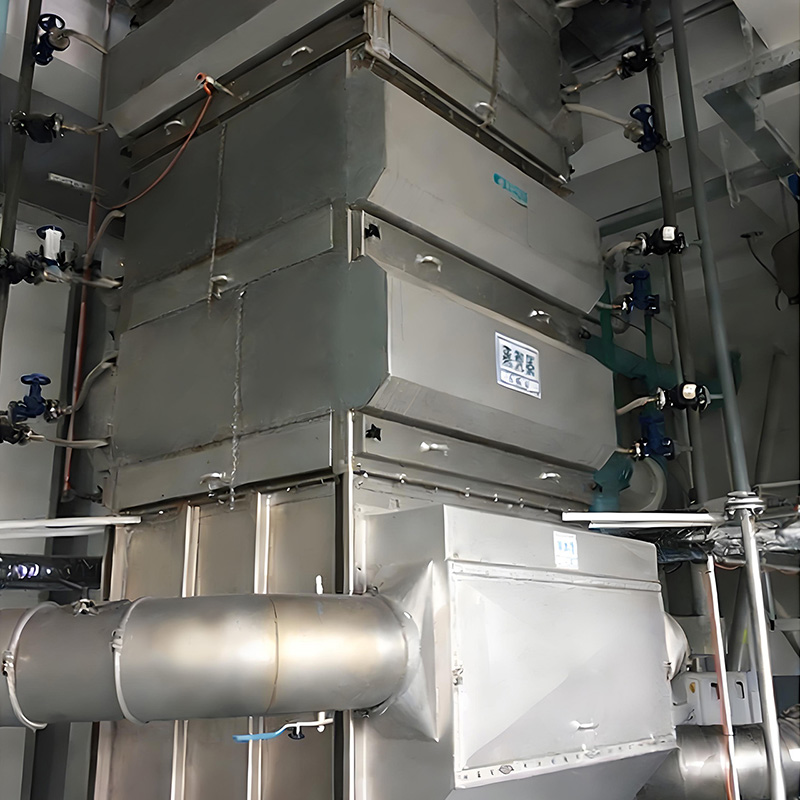
The company provides a complete set of oat processing equipment, including a drum groats cutter, an oat huller, an oat drying tower, and other special equipment for oat processing. They have the characteristics of high output and stable performance, and are the main supplier of domestic oat processing equipment.
Message Feedback
About Us
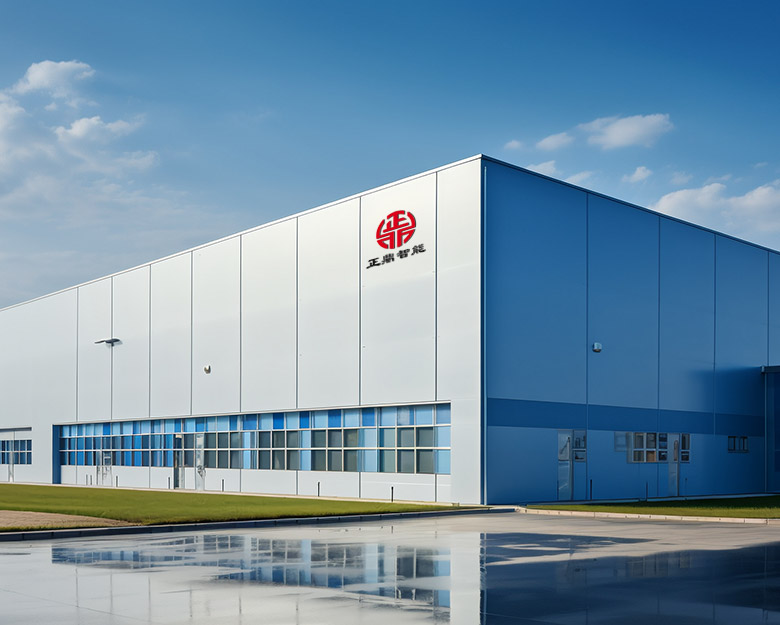
Jiangsu Zhengding Intelligent Equipment Co., Ltd.
Jiangsu Zhengding Intelligent Equipment Co., Ltd. is a national high-tech enterprise mainly engaged in the research and development and manufacturing of intelligent logistics equipment. It can provide systematic solutions for the automatic loading and unloading of cars and containers for customers in different industries.
We are OEM Oat Processing Equipment Company and Oat Processing Equipment Manufacturer, the company wholeheartedly provides users with various types of automatic loading and unloading equipment such as rear dumpers, side dumpers, car loading equipment, container flippers, etc.; it is one of the companies with a relatively complete range of automatic loading and unloading equipment for cars and containers in China. The products are widely used in the steel, chemical, cement, coal, grain, oil and food industries, and are exported to Japan, Brazil, Egypt, Pakistan, India, the Middle East and Southeast Asian countries. Among them, the annual sales volume and technical performance of automatic loading and unloading equipment for cars are in the leading position in China. Typical international users include Budweiser, Heineken, Buhler Group, Wilmar International, Cargill, DuPont, Louis Dreyfuss, Charoen Pokphand Group, Saint-Gobain Group, etc.
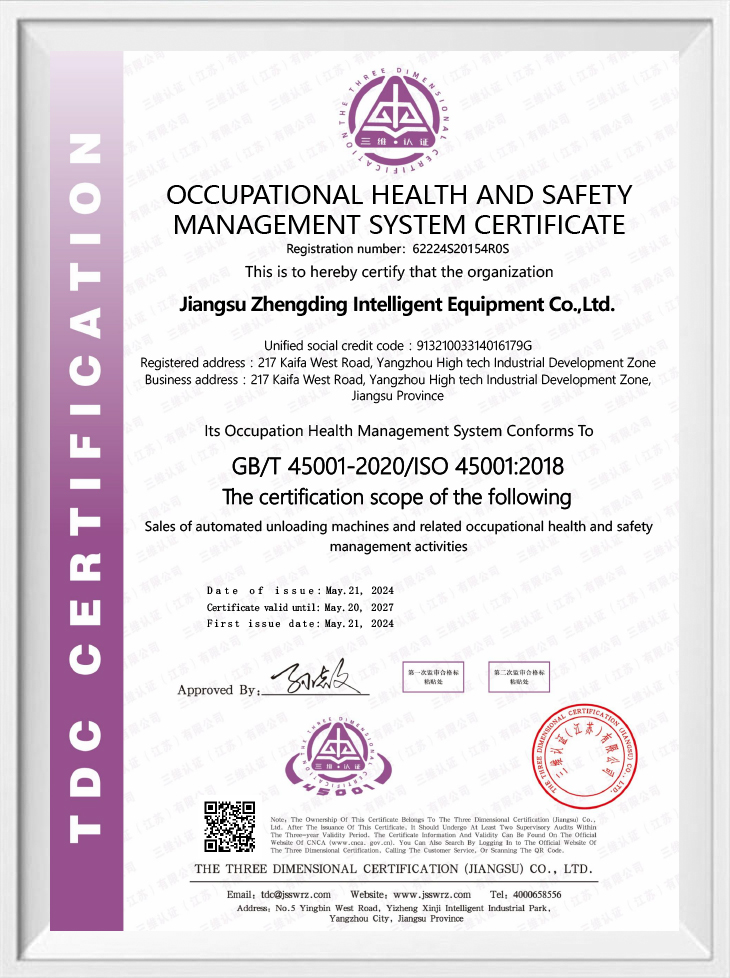
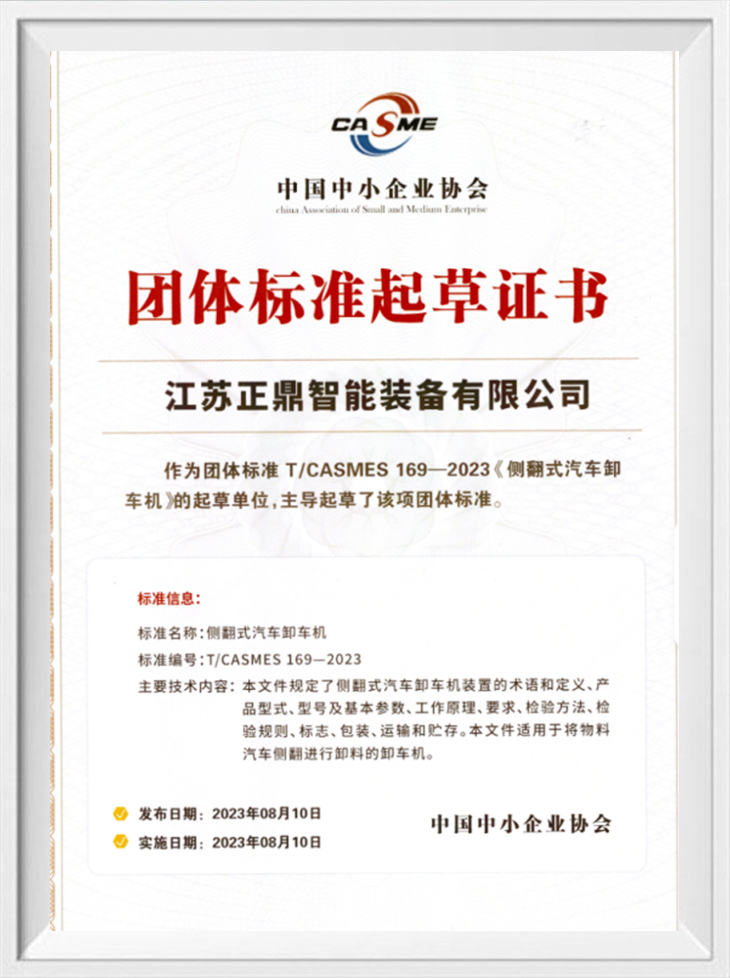
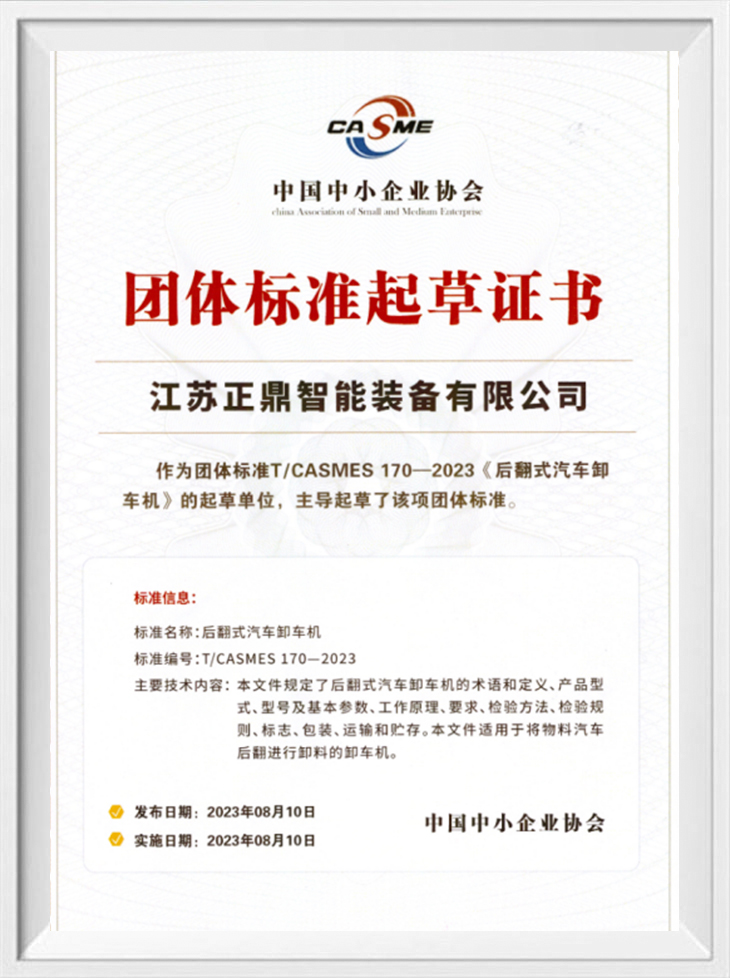
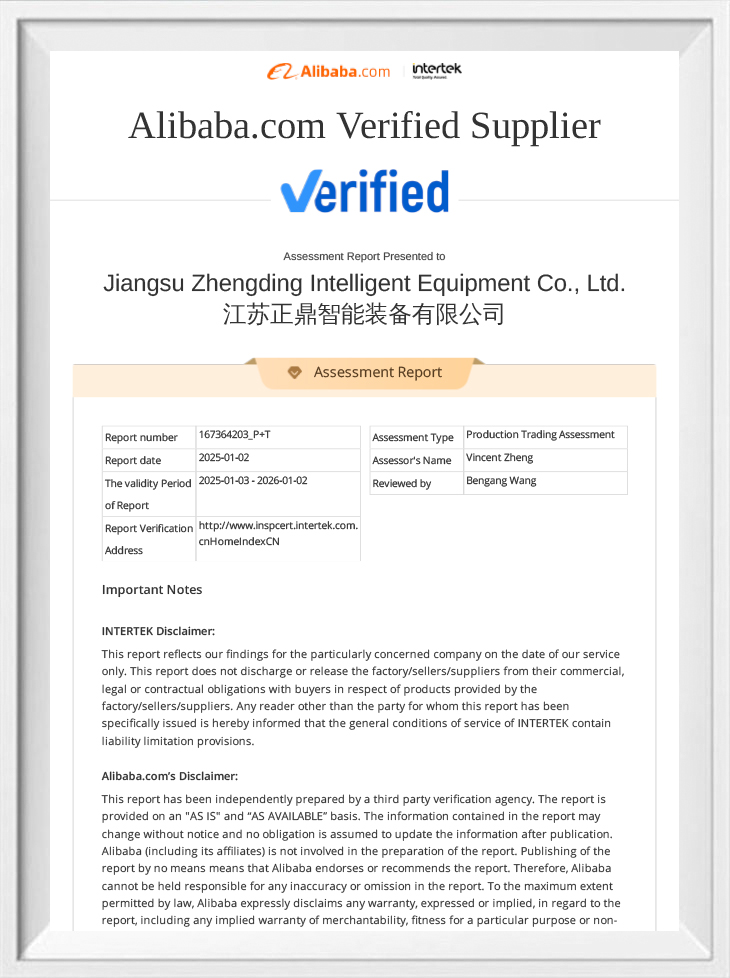
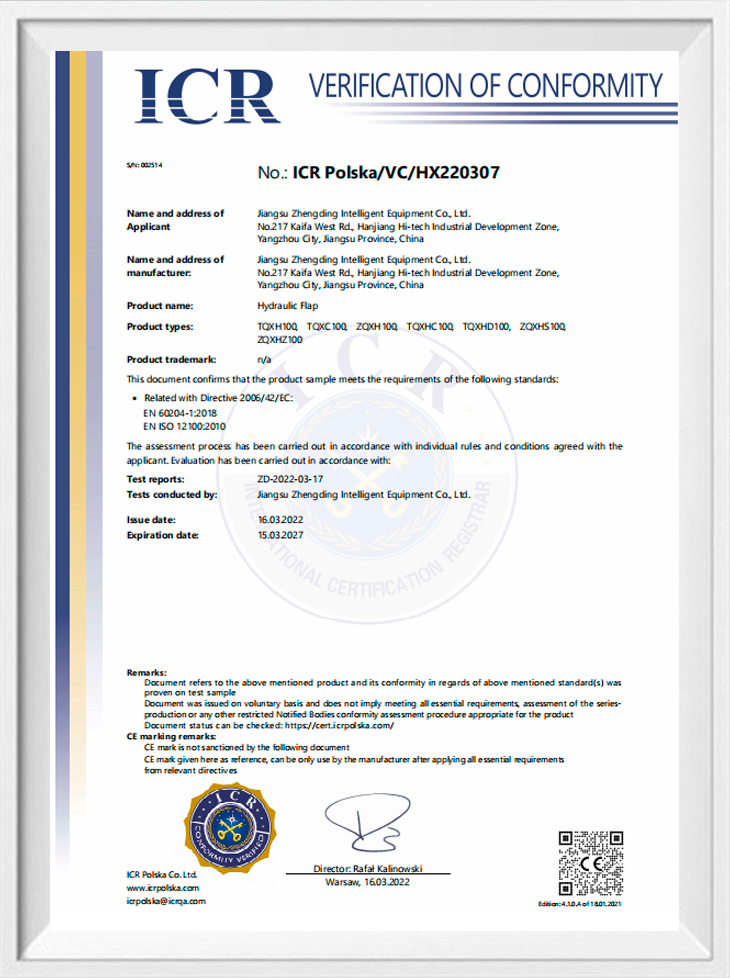
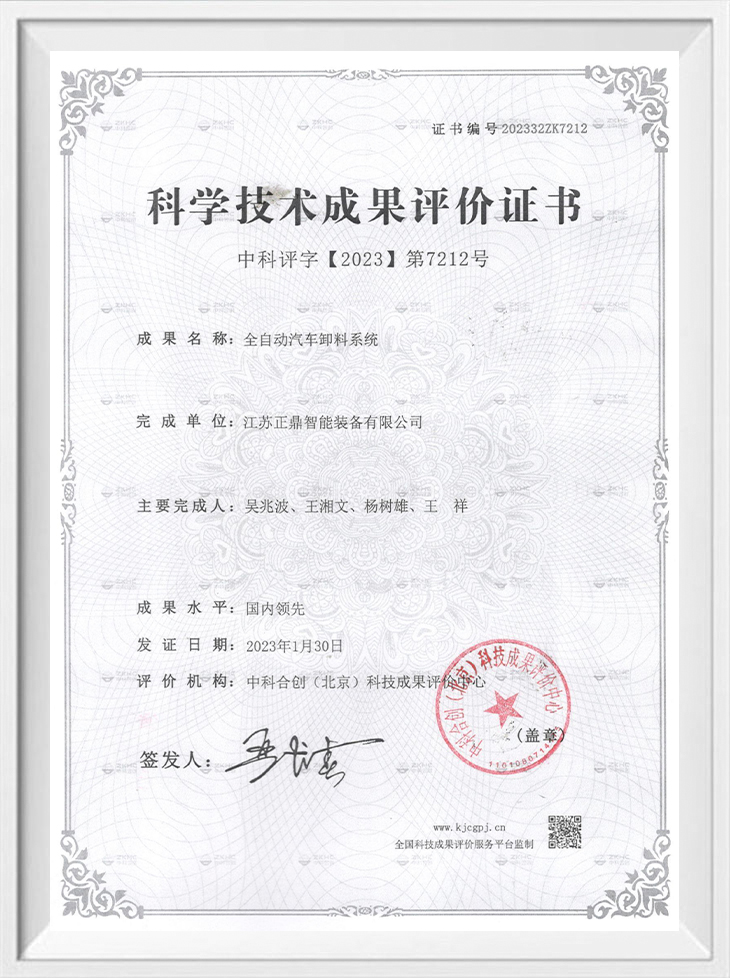
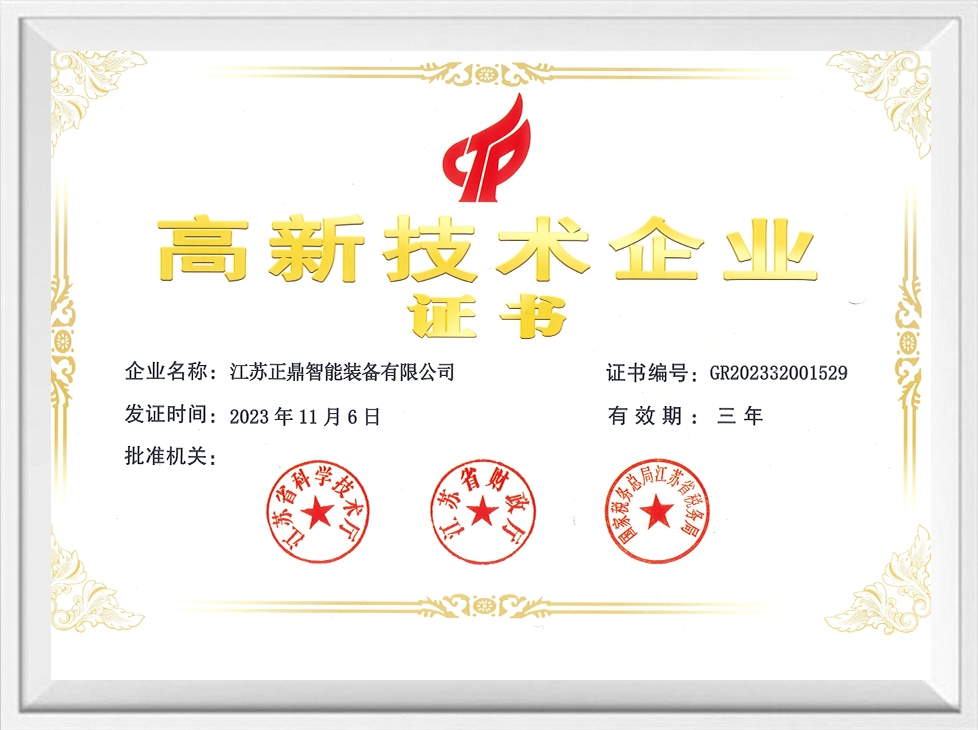
Certificate Of Honor
News
-
-
A ready-mix batching plant can have excellent mixers, accurate scales, and a modern control room, yet still lose output at the gate. The bottleneck is often ma...
READ MORE -
A 40-foot container of bagged resin arrives at 7:40 in the morning and the yard clock starts running. If two forklift operators need an hour and a half to stri...
READ MORE -
A grain terminal schedules twenty-eight trucks between 6 a.m. and 2 p.m. If each truck waits thirty-five minutes because unloading depends on a front-end loade...
READ MORE
Oat Processing Equipment Industry knowledge
1. What Is Oat Processing Equipment
Oat processing equipment refers to a series of specialized machinery used to transform raw harvested oats into consumer ready products such as oat groats, steel cut oats, rolled oats, and oat flour. The complete processing line typically includes cleaning machines, dehullers, kilning ovens, flaking mills, and sifting systems. These systems are essential for cereal producers, breakfast food manufacturers, and health food ingredient suppliers.
Industry data from 2025 indicates that global oat processing volume has grown by approximately 8.5 percent annually over the past five years, driven by increasing demand for plant based foods and heart healthy cereals. Modern automated processing lines achieve yield rates of 70 to 75 percent from raw oats to finished groats, representing a significant improvement over traditional methods.
(1) Main components of an oat processing line
- Pre cleaning and grading machines – remove straw, dust, stones, and undersized kernels.
- Oat dehulling systems – centrifugal or impact hullers that separate the outer husk.
- Kilning and drying ovens – heat treat groats to deactivate enzymes and develop flavor.
- Flaking or rolling mills – produce rolled oats of varying thickness.
- Sifting and grading screens – separate finished products by particle size.
Production example: A medium scale oat mill processing 50 metric tons of raw oats per day can produce approximately 35 to 37 metric tons of finished rolled oats after cleaning, dehulling, and kilning operations.
2. How Does Oat Processing Equipment Work
Oat processing follows a sequential workflow from raw grain intake to finished product packaging. Each piece of equipment performs a specific function, and the integration of these machines determines overall efficiency and product quality.
(2) Step by step processing sequence
- Raw oats pass through air screen cleaners to remove light chaff and heavy stone separators.
- Oats are graded by width and thickness using disc separators or indented cylinders.
- Centrifugal dehullers spin oats at high speed, causing hulls to crack and separate from groats.
- Hull and groat mixtures pass through aspiration systems to remove lightweight hulls.
- Groats undergo kilning at temperatures of 90 to 110 degrees Celsius for moisture reduction and enzyme stabilization.
- Groat cutting machines produce steel cut oats, or flaking mills produce rolled oats.
- Final product sifting separates fines and oversized particles.
Modern oat processing facilities utilize optical sorters and near infrared sensors to remove discolored kernels and foreign materials. The typical energy consumption for a complete oat processing line is approximately 45 to 60 kilowatt hours per metric ton of finished product.
(3) Processing efficiency comparison – Horizontal bar chart
The horizontal bar chart demonstrates that modern automated oat processing equipment achieves yield improvements of 22 to 24 percentage points compared to traditional methods. A facility processing 10,000 metric tons annually gains approximately 2,200 additional metric tons of finished product per year.
3. Performance Metrics and Production Advantages
(4) Global oat production by region – Column Chart
(5) Oat product demand growth trend from 2018 to 2026 – Line Chart
The line chart indicates that global demand for oat based products has grown consistently, with projected growth of 68 percent from 2018 to 2026. This trend supports continued investment in efficient processing equipment.
(6) Radar chart – Traditional versus Modern Oat Processing
The radar chart illustrates that modern oat processing equipment delivers notable advantages across yield rate, product quality, energy efficiency, labor requirements, and overall throughput compared to traditional methods.
4. Supporting Grain Processing Operations – Jiangsu Zhengding Intelligent Equipment
Jiangsu Zhengding Intelligent Equipment Co., Ltd. is a national high-tech enterprise mainly engaged in the research and development and manufacturing of intelligent logistics equipment. It can provide systematic solutions for the automatic loading and unloading of cars and containers for customers in different industries.
The company wholeheartedly provides users with various types of automatic loading and unloading equipment such as rear dumpers, side dumpers, car loading equipment, container flippers, etc. It is one of the companies with a relatively complete range of automatic loading and unloading equipment for cars and containers in China. The products are widely used in the steel, chemical, cement, coal, grain, oil and food industries, and are exported to Japan, Brazil, Egypt, Pakistan, India, the Middle East and Southeast Asian countries. Among them, the annual sales volume and technical performance of automatic loading and unloading equipment for cars are in the leading position in China. Typical international users include Budweiser, Heineken, Buhler Group, Wilmar International, Cargill, DuPont, Louis Dreyfuss, Charoen Pokphand Group, Saint-Gobain Group, etc.
For oat processing facilities, Zhengding's grain handling systems facilitate efficient receiving, storage transfer, and finished product loading. The equipment integrates with existing processing lines to reduce manual handling and improve overall facility throughput.
| Equipment Type | Capacity Range | Key Function |
|---|---|---|
| Oat Dehuller | 2 to 15 metric tons per hour | Hull separation efficiency 92 to 96 percent |
| Kilning Oven | 5 to 30 metric tons per hour | Moisture reduction to 8 to 10 percent |
| Flaking Mill | 3 to 20 metric tons per hour | Flake thickness 0.3 to 1.2 millimeters |
| Gravity Grader | 4 to 25 metric tons per hour | Product density separation |
Zhengding's grain handling solutions complement oat processing operations by providing automated intake, storage reclaim, and bulk loading systems, reducing manual labor requirements and improving overall plant efficiency.
5. Frequently Asked Questions
Q1: What is the purpose of kilning in oat processing?
A1: Kilning serves two primary functions. First, it deactivates lipase enzymes that would otherwise cause rancidity and off flavors in stored oats. Second, it reduces moisture content from approximately 14 percent to 8 to 10 percent, extending shelf life. Kilning also develops the characteristic toasty oat flavor and aroma.
Q2: What is the typical yield loss during oat dehulling?
A2: Dehulling yield depends on oat variety and equipment calibration. Modern centrifugal dehullers typically achieve hull removal rates of 92 to 96 percent, with whole groat recovery of 70 to 75 percent from raw oats. The remaining material includes broken groats, fines, and hull fragments that are separated by aspiration and sifting.
Q3: What are the different types of rolled oats produced by flaking mills?
A3: Flaking mills can produce multiple product types by adjusting roll gap and groat preparation. Quick cooking oats are rolled thinner, approximately 0.4 to 0.6 millimeters. Old fashioned oats are thicker, approximately 0.8 to 1.0 millimeters. Instant oats are pre cooked and rolled very thin, under 0.4 millimeters. Each requires specific roll pressure and groat conditioning.

RESEARCH AND DEVELOPMENT, MANUFACTURING AND SALES OF VARIOUS
AUTOMATED LOADING AND UNLOADING EQUIPMENT FOR AUTOMOBILES, CONTAINERS, SHIPS, ETC.
-
 CONTACT NUMBER
+86-13588556918
-
 ADDRESS
217 Kaifa West Road, Hanjiang District, Yangzhou City, Jiangsu Province China
-
 SAY HELLO
cnwzb@163.com
COMPANY
MOBILE TERMINAL
Copyright @ Jiangsu Zhengding Intelligent Equipment Co., Ltd. All Rights Reserved.
 OEM Oat Processing Equipment Company
Oat Processing Equipment Manufacturer
OEM Oat Processing Equipment Company
Oat Processing Equipment Manufacturer