
 English
 русский
 Español
 Français
 Português
 عربى
عربى

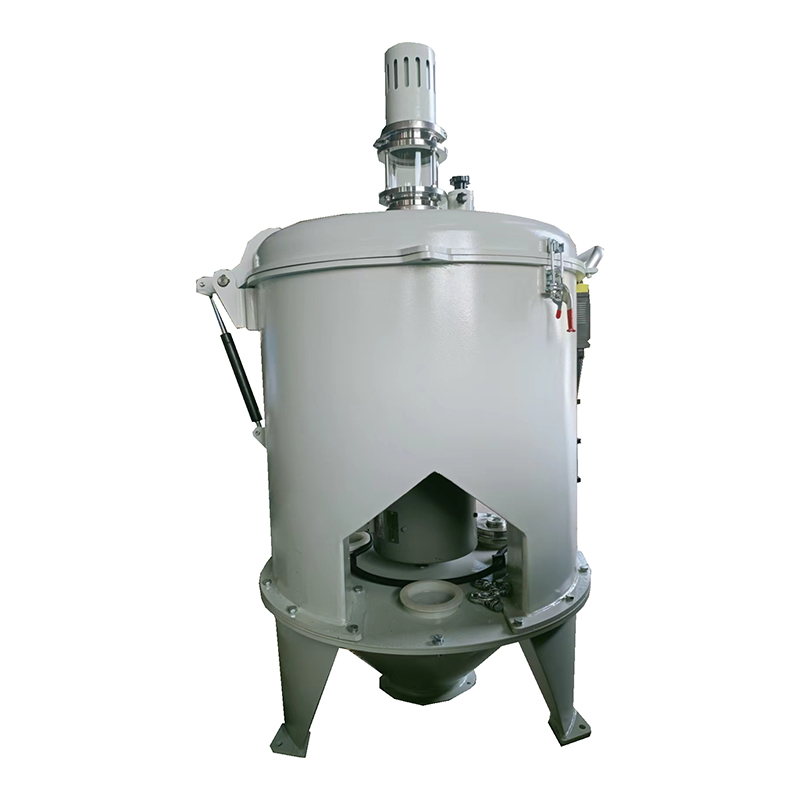
The Oat Dehuller is a centrifugal oat dehulling equipment developed by our company. The dehuller primarily throws out the hulled oat kernels through a high-speed rotating centrifugal disk. There are guide slots within the centrifugal disk that keep the kernels in a fixed direction as they strike an impact ring, causing the oat husks to crack and break into multiple pieces, thereby separating the oat groats from the husks to complete the dehulling process. In addition to oat dehulling, it can also be used for other difficult-to-dehull coarse grains such as barley, rye, and broomcorn millet.

Oat Dehuller Factory
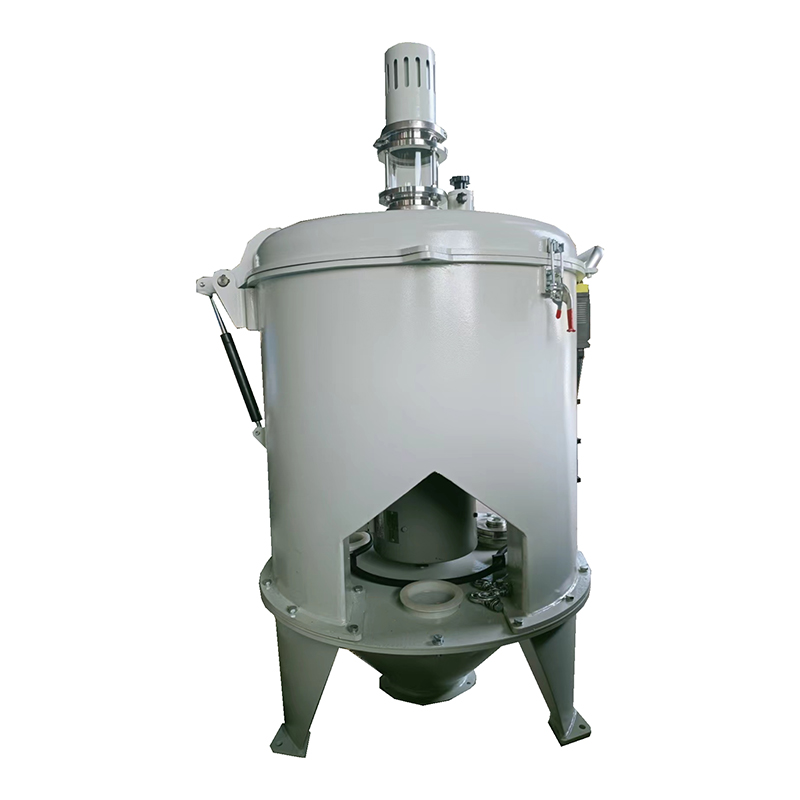
Product Advantages and Features:
1. High Dehulling Rate and Low Breakage: The one-time dehulling rate can reach 80%. While operating at high efficiency, it strictly controls the breakage rate to ensure the produced oat groats have an attractive appearance and high commercial value.
2. Low Energy Consumption.
3. Adjustable Speed: Operators can flexibly adjust the rotational speed of the centrifugal disk based on the moisture content, variety, and particle size of the material to meet the dehulling requirements of various materials.
4. Wear-Resistant Components: The guide slots and impact ring, which come into high-speed frictional contact with the material, are manufactured from special wear-resistant materials. This effectively reduces the replacement frequency of consumables and extends the maintenance cycle of the entire machine.
Main Technical Parameters
|
Product Model |
Power |
Output |
Cut off waste |
|
(KW) |
(T/H) Based on oats |
||
|
TTK56 |
3 |
0.8-1.5 |
≥75% |
|
TTK60 |
5.5 |
2.5-3.2 |
≥75% |
SEND MESSAGE
Message Feedback
About Us
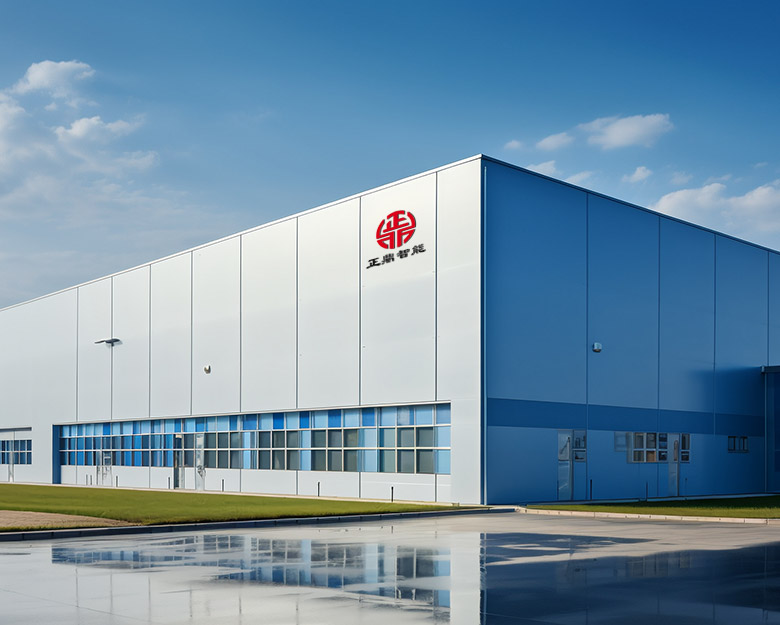
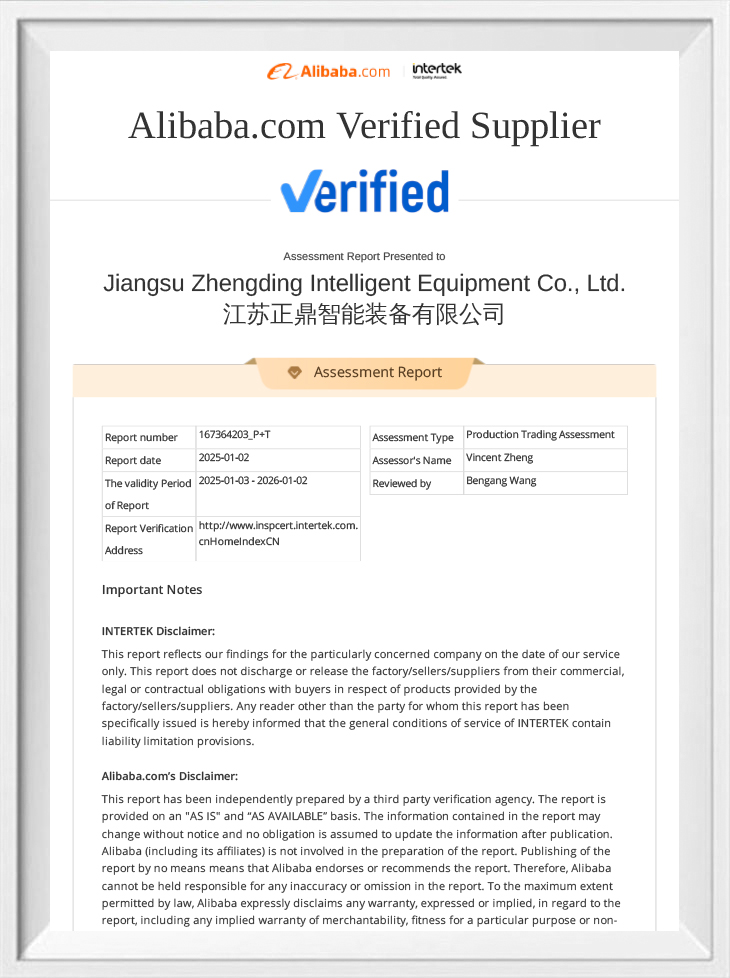
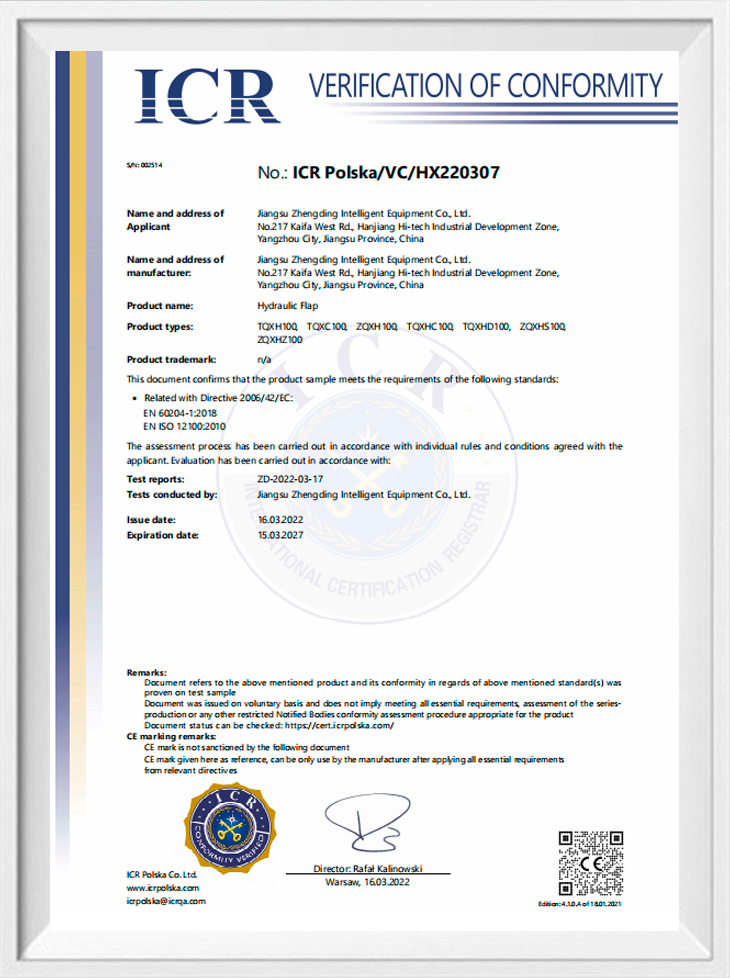
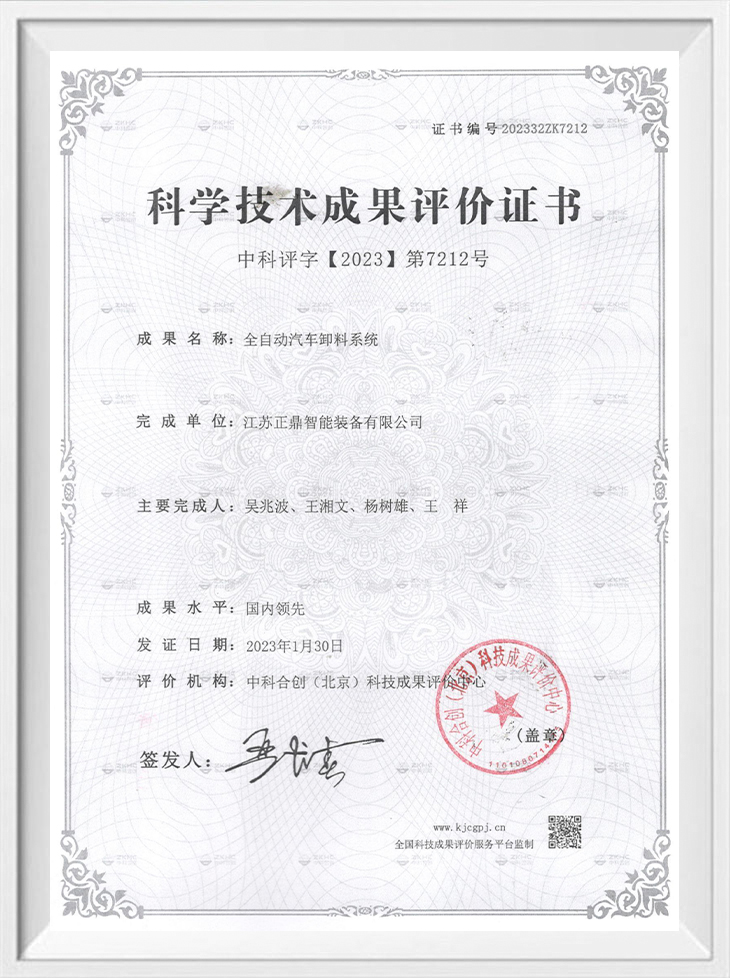
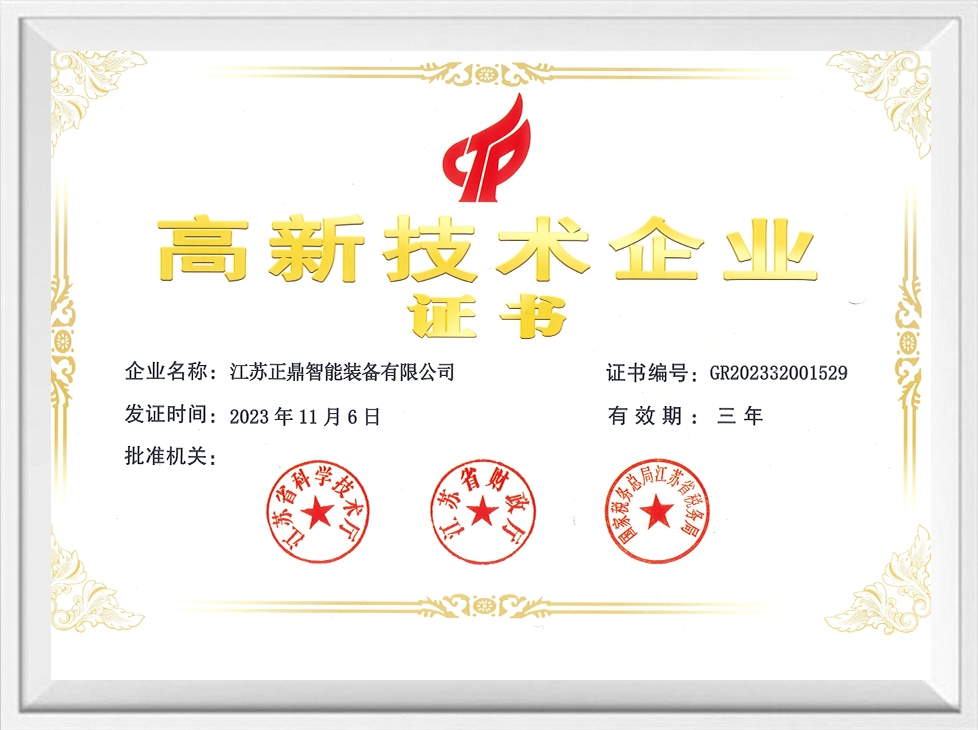
Jiangsu Zhengding Intelligent Equipment Co., Ltd.
Jiangsu Zhengding Intelligent Equipment Co., Ltd. is a national high-tech enterprise mainly engaged in the research and development and manufacturing of intelligent logistics equipment. It can provide systematic solutions for the automatic loading and unloading of cars and containers for customers in different industries.
We are China Oat Dehuller Supplier and Custom Oat Dehuller Factory, the company wholeheartedly provides users with various types of automatic loading and unloading equipment such as rear dumpers, side dumpers, car loading equipment, container flippers, etc.; it is one of the companies with a relatively complete range of automatic loading and unloading equipment for cars and containers in China. The products are widely used in the steel, chemical, cement, coal, grain, oil and food industries, and are exported to Japan, Brazil, Egypt, Pakistan, India, the Middle East and Southeast Asian countries. Among them, the annual sales volume and technical performance of automatic loading and unloading equipment for cars are in the leading position in China. Typical international users include Budweiser, Heineken, Buhler Group, Wilmar International, Cargill, DuPont, Louis Dreyfuss, Charoen Pokphand Group, Saint-Gobain Group, etc.}
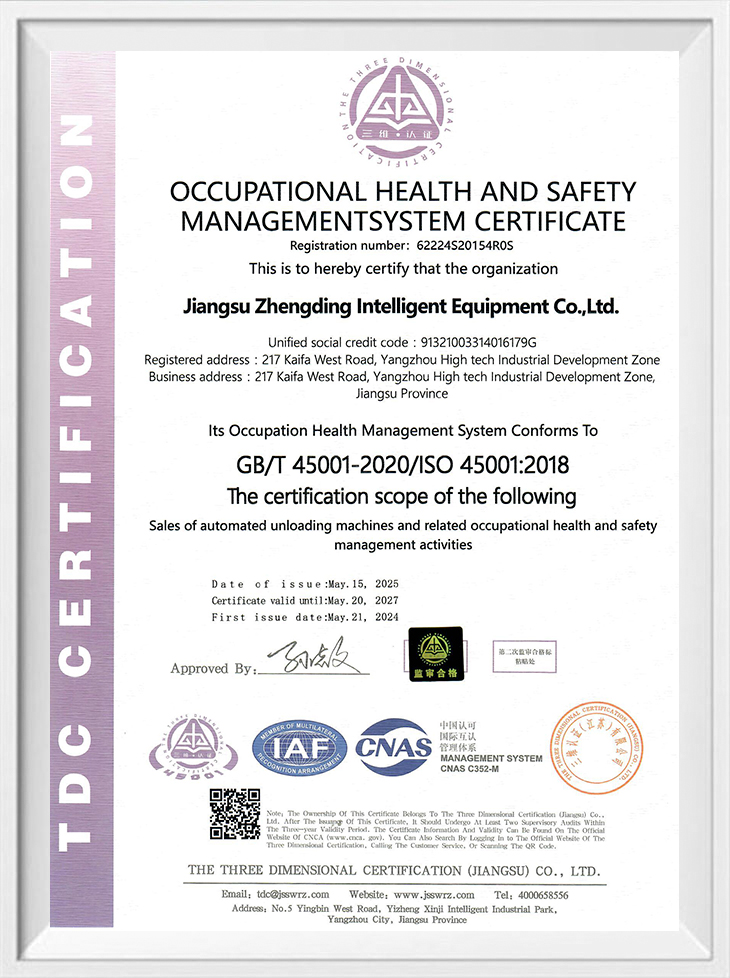
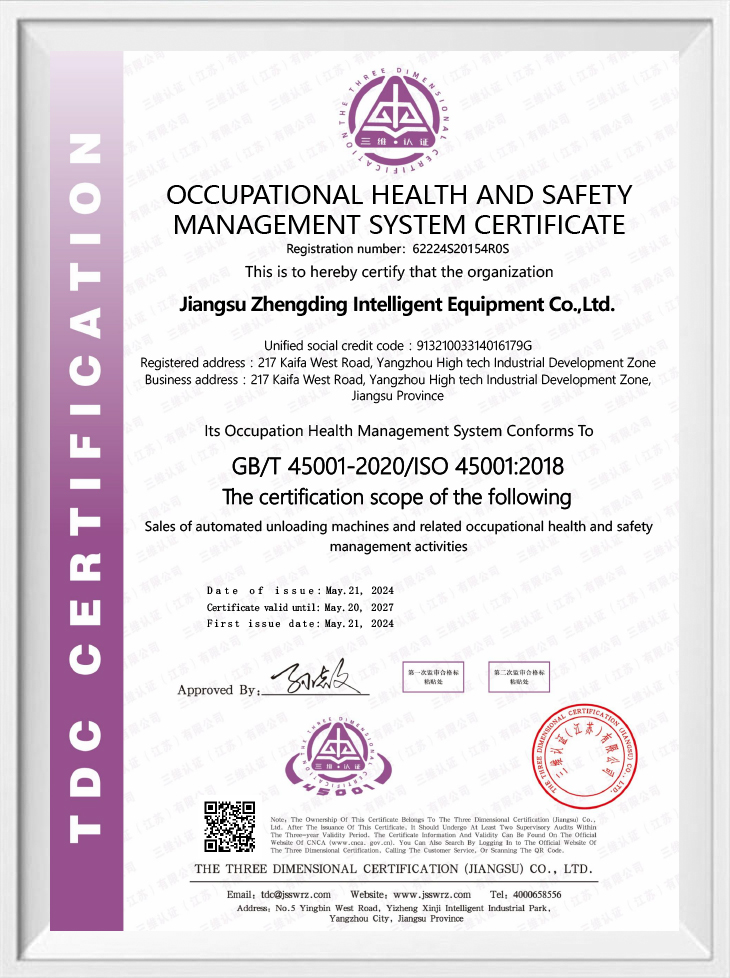
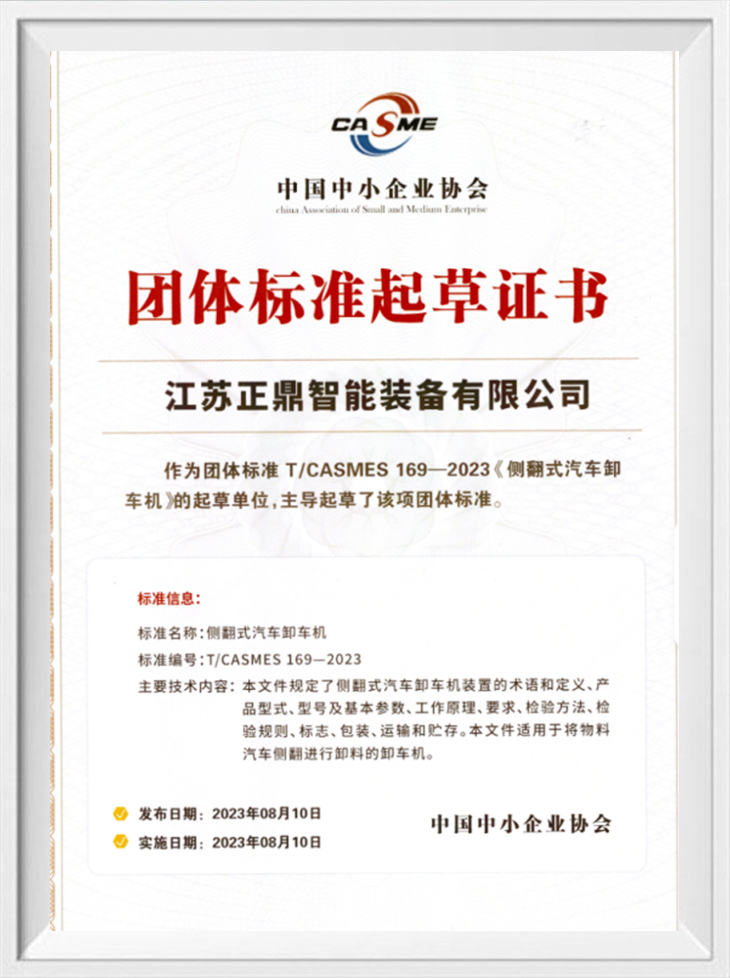
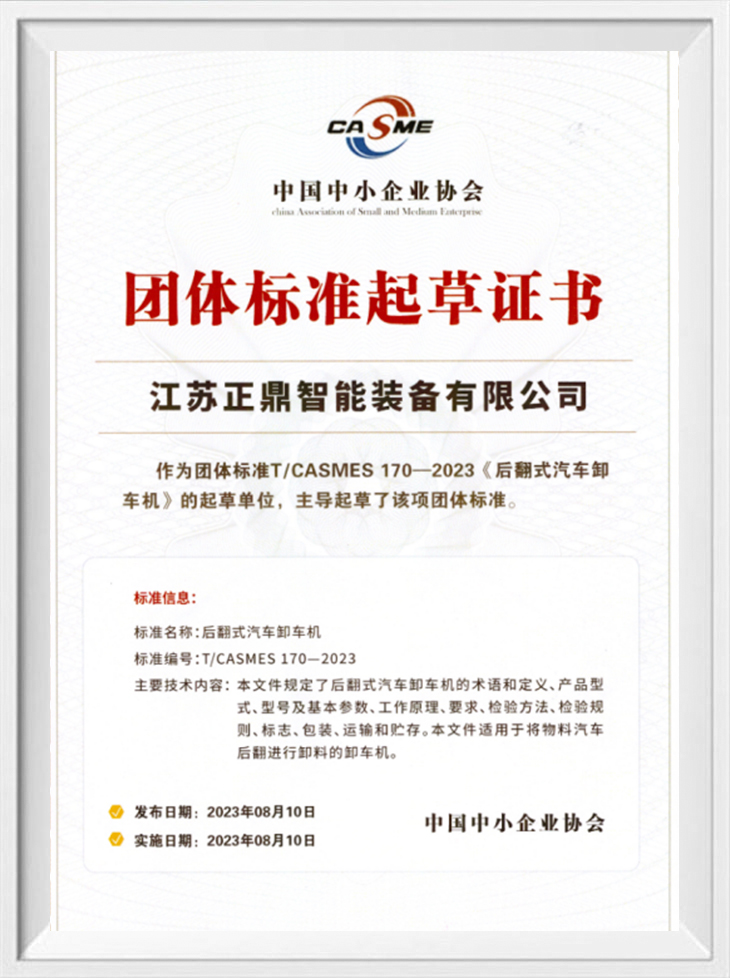
Certificate Of Honor
News
-
A feed mill that runs a grain intake line six days a week will push roughly 1,400 to 1,800 dump cycles through a single truck dumper in one quarter. Over those twelve weeks the hydraulic oil has been heated and cooled thousands of times, the pivot pins have carried the full weig...
READ MORE -
A ready-mix batching plant can have excellent mixers, accurate scales, and a modern control room, yet still lose output at the gate. The bottleneck is often material intake: aggregate trucks queue, cement tankers wait, and loader operators shuttle between stockpiles. For batchin...
READ MORE -
A 40-foot container of bagged resin arrives at 7:40 in the morning and the yard clock starts running. If two forklift operators need an hour and a half to strip that box by hand, one late arrival can push your inbound schedule into the night shift, and the demurrage bill follows...
READ MORE
Oat Processing Equipment Industry knowledge
1. Understanding Oat Dehuller Selection Criteria
Choosing the right oat dehuller requires careful evaluation of processing capacity, oat variety characteristics, desired output quality, and operational constraints. A well matched dehuller can achieve hull removal rates of 92 to 96 percent while maintaining groat integrity, whereas a mismatched machine may result in excessive breakage or incomplete dehulling.
Industry data indicates that facilities using appropriately sized dehullers achieve whole groat yields of 70 to 75 percent from raw oats, compared to 58 to 62 percent with undersized or improperly adjusted equipment. The selection decision should balance initial investment against long term operational efficiency.
(1) Key factors to evaluate before purchase
- Throughput requirement – measure expected metric tons per hour based on harvest volume or production targets.
- Oat variety and kernel size distribution – different varieties have varying hull attachment strength.
- Available power supply – single phase or three phase electrical infrastructure.
- Space constraints – floor space and height requirements for installation.
- Maintenance accessibility – ease of accessing wear parts such as impellers and liners.
Selection example: A farm processing 500 metric tons of oats annually would require a dehuller with approximately 0.5 to 1.0 metric ton per hour capacity, assuming seasonal operation of 500 to 1000 hours per year. A factory processing 5000 metric tons annually would need a 2.5 to 5.0 metric ton per hour system.
2. Matching Capacity to Your Production Needs
Capacity selection is the most critical decision when choosing an oat dehuller. Undersized equipment creates processing bottlenecks, while oversized equipment leads to unnecessary capital expense and potential quality issues from improper loading.
(2) Capacity requirement by operation scale – Column Chart
(3) Dehulling efficiency comparison – Horizontal Bar Chart
Higher efficiency dehullers reduce the need for recirculation passes. A 5 percentage point improvement in single pass efficiency can increase throughput by approximately 15 to 20 percent for the same installed power.
3. Evaluating Operational and Economic Factors
(4) Groat breakage rate comparison – Line Chart
Lower breakage rates preserve groat value for rolled oats or steel cut production. A reduction in breakage from 12 percent to 5 percent increases saleable product yield by approximately 7 to 8 percentage points for the same raw material input.
(5) Decision radar chart – Selection priorities by operation scale
The radar chart illustrates that selection priorities differ significantly between farm and factory operations. Farm scale users typically prioritize maintenance accessibility and capacity flexibility, while factory operations emphasize maximum dehulling efficiency and groat integrity to optimize yield on high volume throughput.
4. Practical Selection Framework and Support Solutions
The following selection checklist helps organize decision making before contacting equipment suppliers. Evaluating each factor against your specific operating conditions reduces the risk of mismatched equipment.
(6) Dehuller selection checklist
- Calculate required throughput: annual volume divided by annual operating hours plus 15 percent safety margin.
- Test oat sample with potential equipment to verify dehulling efficiency and breakage rate.
- Verify power requirements match available electrical service.
- Check clearance dimensions for installation and maintenance access.
- Confirm availability of spare parts and technical support in your region.
| Criteria | Farm Scale (under 1000 tons/year) | Factory Scale (over 1000 tons/year) |
|---|---|---|
| Ideal Capacity | 0.3 to 1.5 metric tons per hour | 2.0 to 10.0 metric tons per hour |
| Efficiency Target | 88 to 92 percent hull removal | 94 to 96 percent hull removal |
| Breakage Tolerance | Up to 8 percent acceptable | Under 5 percent required |
| Power Requirement | 7.5 to 22 kilowatts | 30 to 110 kilowatts |
Jiangsu Zhengding Intelligent Equipment Co., Ltd. is a national high-tech enterprise mainly engaged in the research and development and manufacturing of intelligent logistics equipment. It can provide systematic solutions for the automatic loading and unloading of cars and containers for customers in different industries.
The company wholeheartedly provides users with various types of automatic loading and unloading equipment such as rear dumpers, side dumpers, car loading equipment, container flippers, etc. It is one of the companies with a relatively complete range of automatic loading and unloading equipment for cars and containers in China. The products are widely used in the steel, chemical, cement, coal, grain, oil and food industries, and are exported to Japan, Brazil, Egypt, Pakistan, India, the Middle East and Southeast Asian countries. Among them, the annual sales volume and technical performance of automatic loading and unloading equipment for cars are in the leading position in China. Typical international users include Budweiser, Heineken, Buhler Group, Wilmar International, Cargill, DuPont, Louis Dreyfuss, Charoen Pokphand Group, Saint-Gobain Group, etc.
For oat processing facilities, Zhengding's grain handling systems provide efficient infeed and outfeed integration with dehulling equipment, including hopper loaders, belt conveyors, and container packing systems that complement the dehuller selection.
5. Frequently Asked Questions
Q1: What is the difference between centrifugal and impact type oat dehullers?
A1: Centrifugal dehullers accelerate oats against an impact ring, using rotational speed to control hull fracture. They generally offer better adjustability for different oat varieties. Impact type dehullers use a fixed impeller speed and may be simpler but less adaptable. For farms processing multiple oat varieties, centrifugal designs provide greater operational flexibility.
Q2: How often should dehuller wear parts be replaced?
A2: Wear part life depends on oat throughput and abrasive content. Impeller tips and impact liners typically require replacement every 500 to 1500 operating hours for farms, or every 2000 to 4000 metric tons for factories. Regular inspection every 200 hours helps predict replacement timing. Hardened alloy components generally last two to three times longer than standard steel parts.
Q3: Can a single dehuller handle different grain types besides oats?
A3: Most oat dehullers are optimized for oat kernel characteristics, including hull attachment strength and kernel shape. While some units can process barley or buckwheat with rotor and speed adjustments, efficiency typically decreases by 15 to 30 percent for non target grains. For consistent quality, dedicated equipment for each grain type is recommended for factory scale operations.

RESEARCH AND DEVELOPMENT, MANUFACTURING AND SALES OF VARIOUS
AUTOMATED LOADING AND UNLOADING EQUIPMENT FOR AUTOMOBILES, CONTAINERS, SHIPS, ETC.
-
 CONTACT NUMBER
+86-13588556918
-
 ADDRESS
217 Kaifa West Road, Hanjiang District, Yangzhou City, Jiangsu Province China
-
 SAY HELLO
cnwzb@163.com
COMPANY
MOBILE TERMINAL
Copyright @ Jiangsu Zhengding Intelligent Equipment Co., Ltd. All Rights Reserved.
 China Oat Dehuller Supplier
Custom Oat Dehuller Factory
China Oat Dehuller Supplier
Custom Oat Dehuller Factory