
 English
 русский
 Español
 Français
 Português
 عربى
عربى

The cutting drum is designed with stainless steel for a long service life. By increasing the number of working holes on the cutting drum, the equipment's production capacity has been improved.

Drum Groats Cutter Factory
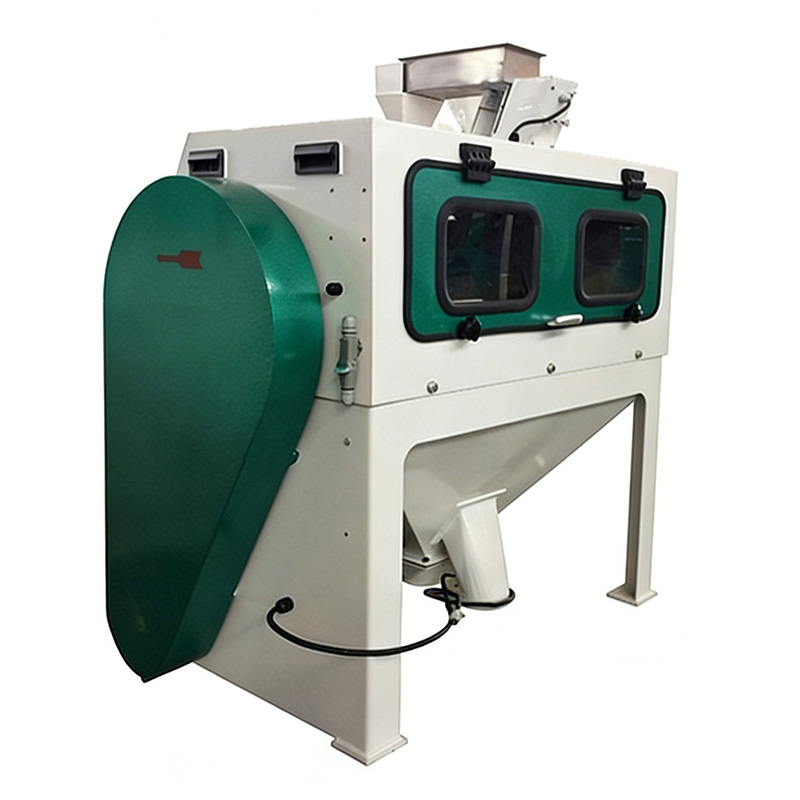
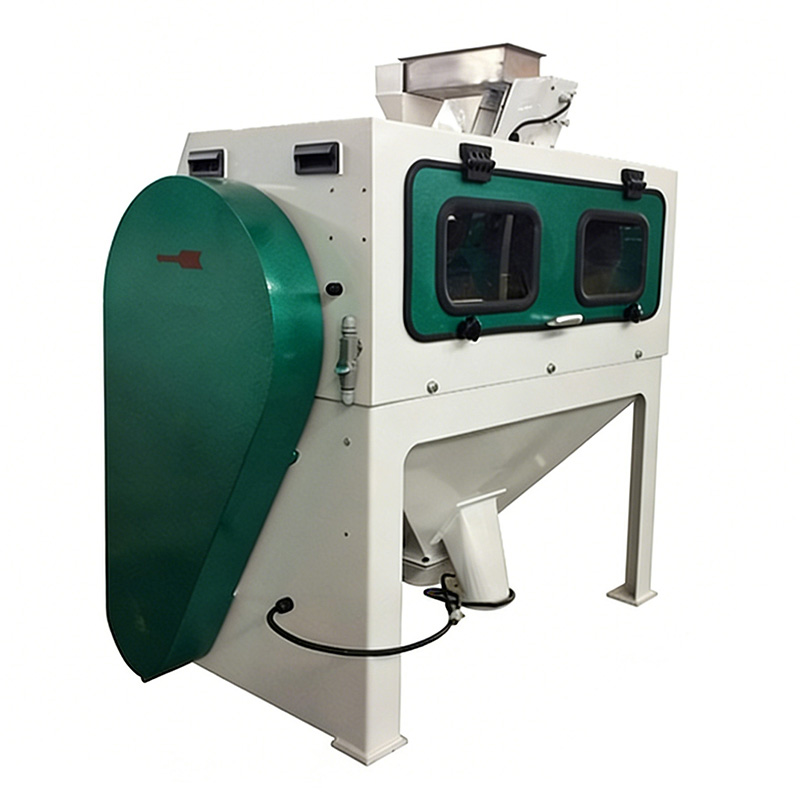
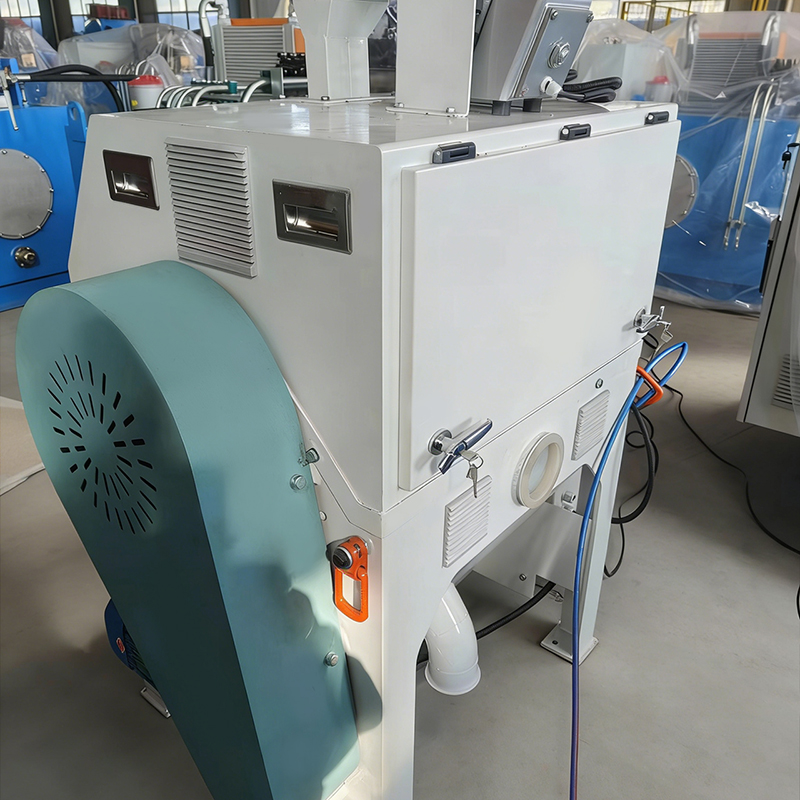
The drum groats cutter is an oat processing equipment developed by our company. It can uniformly cut dehulled oat kernels into 3-4 segments to produce steel-cut oats of uniform size.
This equipment is suitable for producing fine, medium, and coarse kernels. It can be used for the processing of oats, barley, rye, wheat, and rice.
1. The cutting waste of this equipment is less than 1%;
2. Low energy consumption;
3. The rotation speed is adjustable, allowing for the processing of kernels of various lengths.
Main Technical Parameters
|
Product Model |
Power |
Output |
Cut off waste |
|
(KW) |
(T/H) Based on oats |
||
|
YQL50 |
1.5 |
0.8-1.0 |
≤1% |
SEND MESSAGE
Message Feedback
About Us
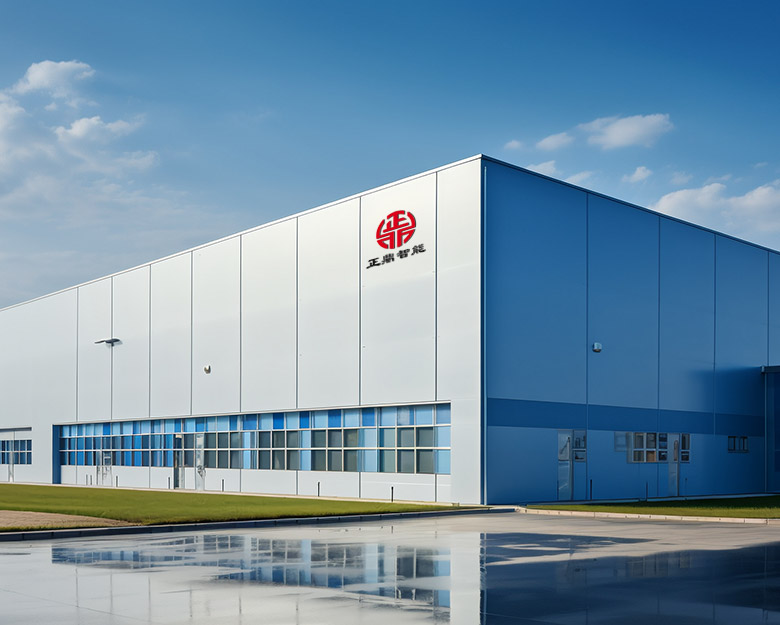
Jiangsu Zhengding Intelligent Equipment Co., Ltd.
Jiangsu Zhengding Intelligent Equipment Co., Ltd. is a national high-tech enterprise mainly engaged in the research and development and manufacturing of intelligent logistics equipment. It can provide systematic solutions for the automatic loading and unloading of cars and containers for customers in different industries.
We are China Drum Groats Cutter Supplier and Custom Drum Groats Cutter Factory, the company wholeheartedly provides users with various types of automatic loading and unloading equipment such as rear dumpers, side dumpers, car loading equipment, container flippers, etc.; it is one of the companies with a relatively complete range of automatic loading and unloading equipment for cars and containers in China. The products are widely used in the steel, chemical, cement, coal, grain, oil and food industries, and are exported to Japan, Brazil, Egypt, Pakistan, India, the Middle East and Southeast Asian countries. Among them, the annual sales volume and technical performance of automatic loading and unloading equipment for cars are in the leading position in China. Typical international users include Budweiser, Heineken, Buhler Group, Wilmar International, Cargill, DuPont, Louis Dreyfuss, Charoen Pokphand Group, Saint-Gobain Group, etc.}
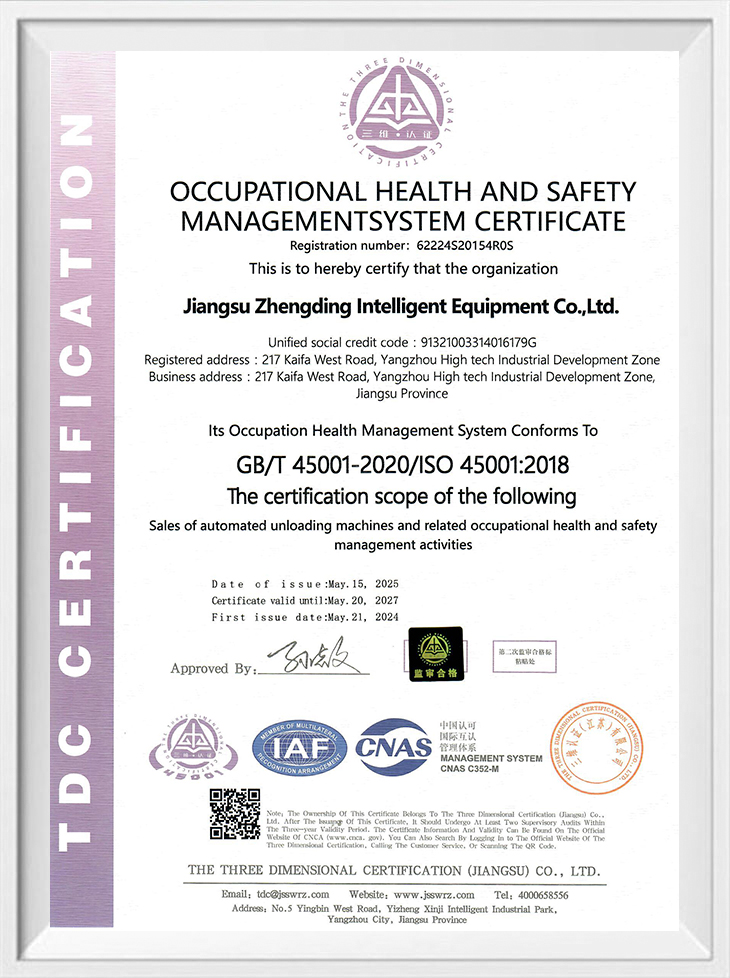
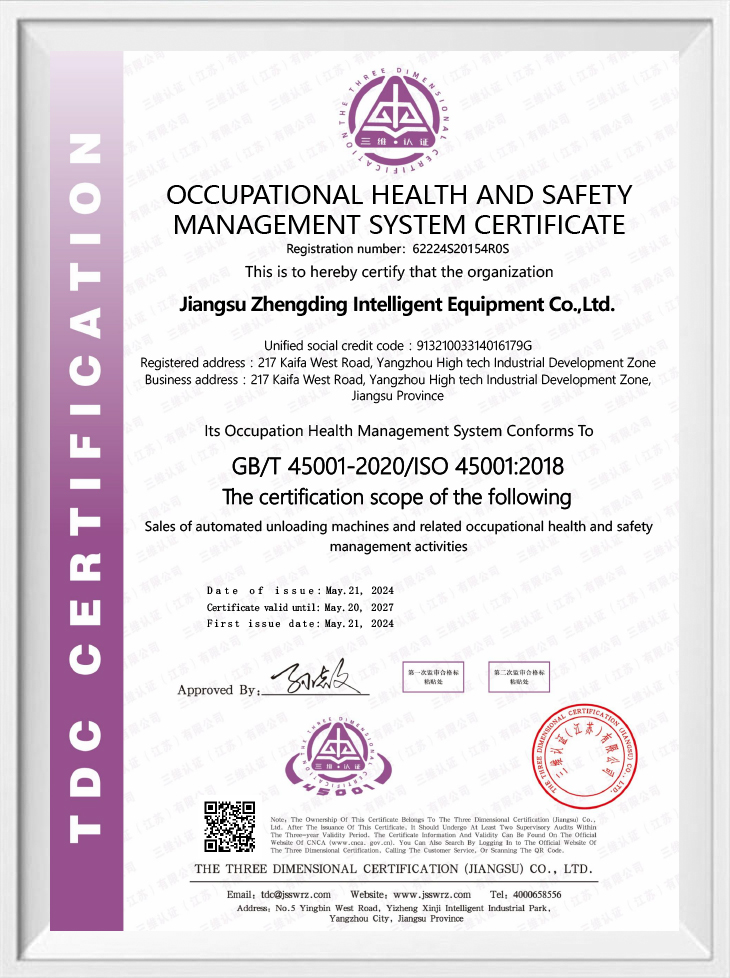
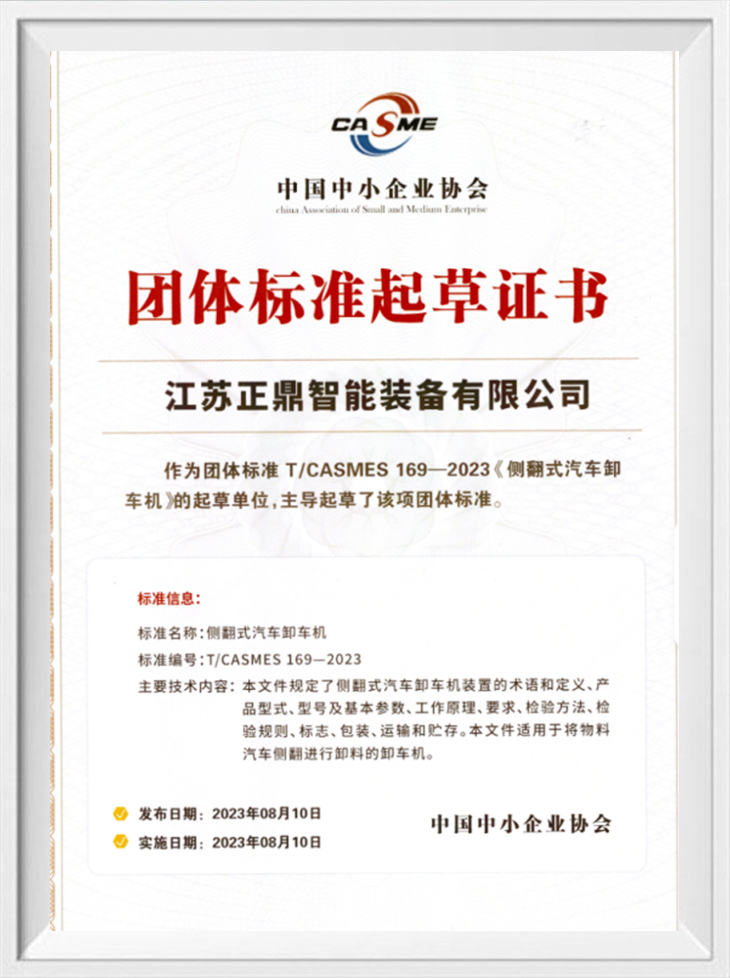
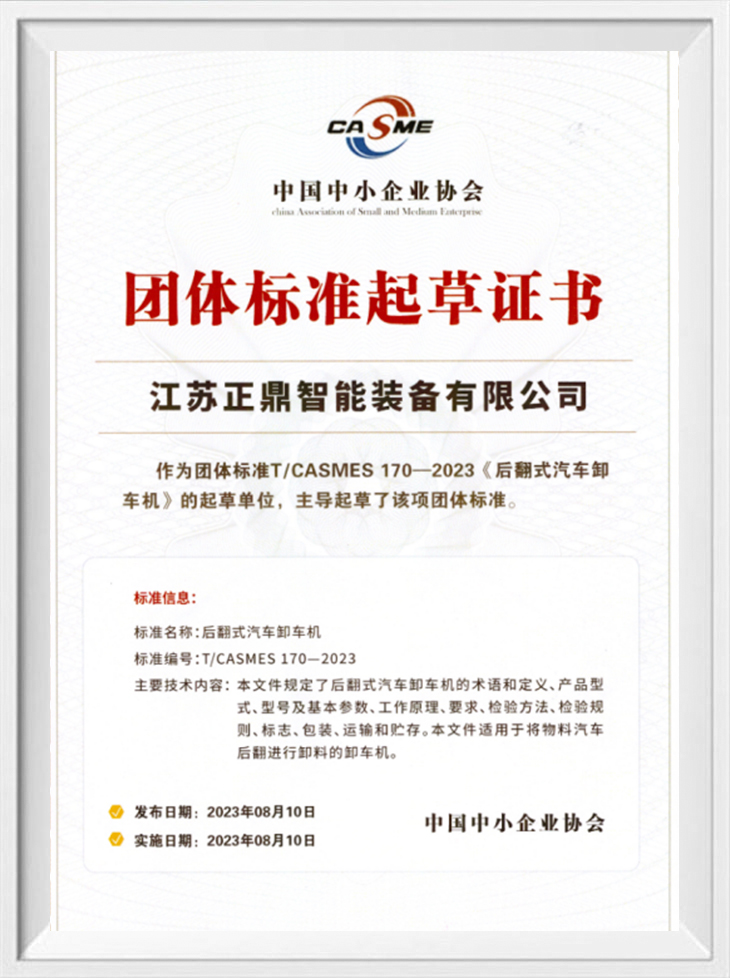
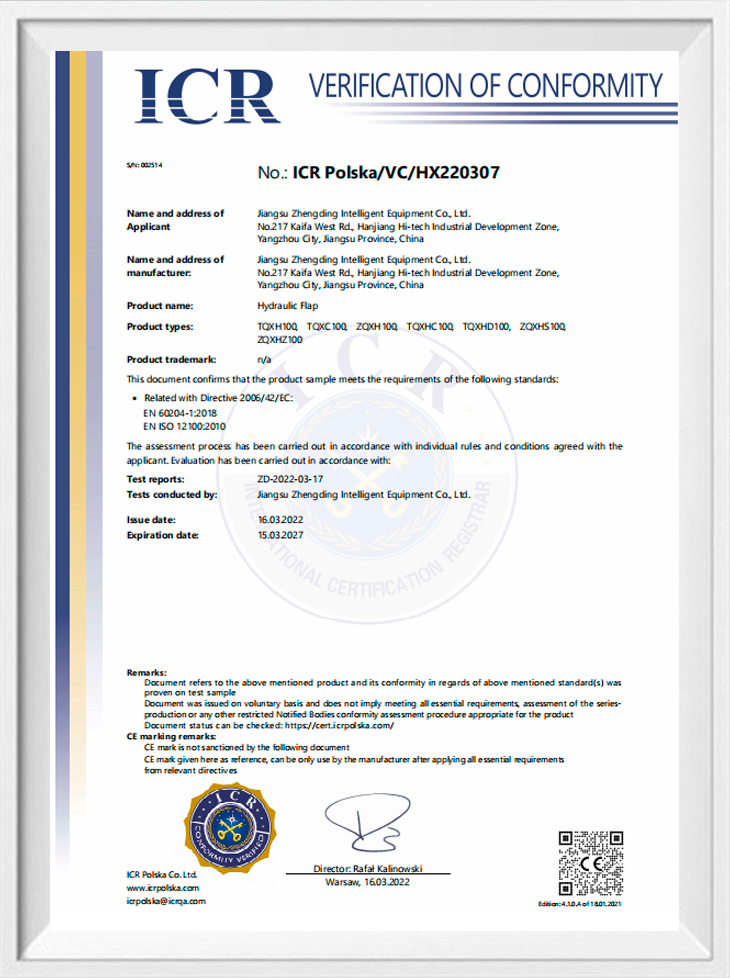
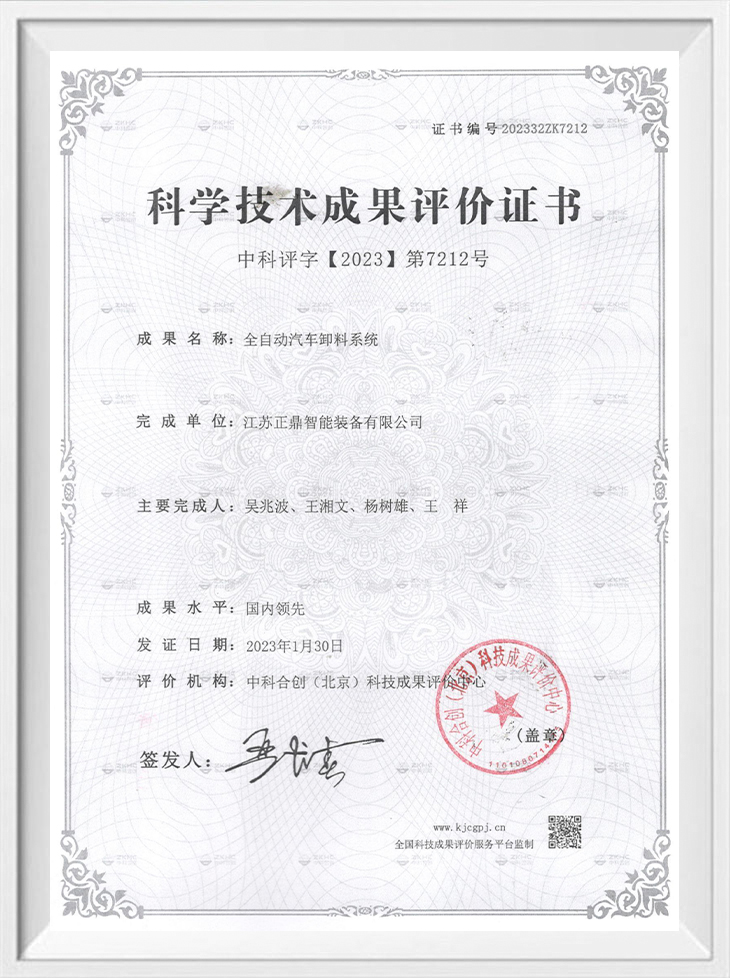
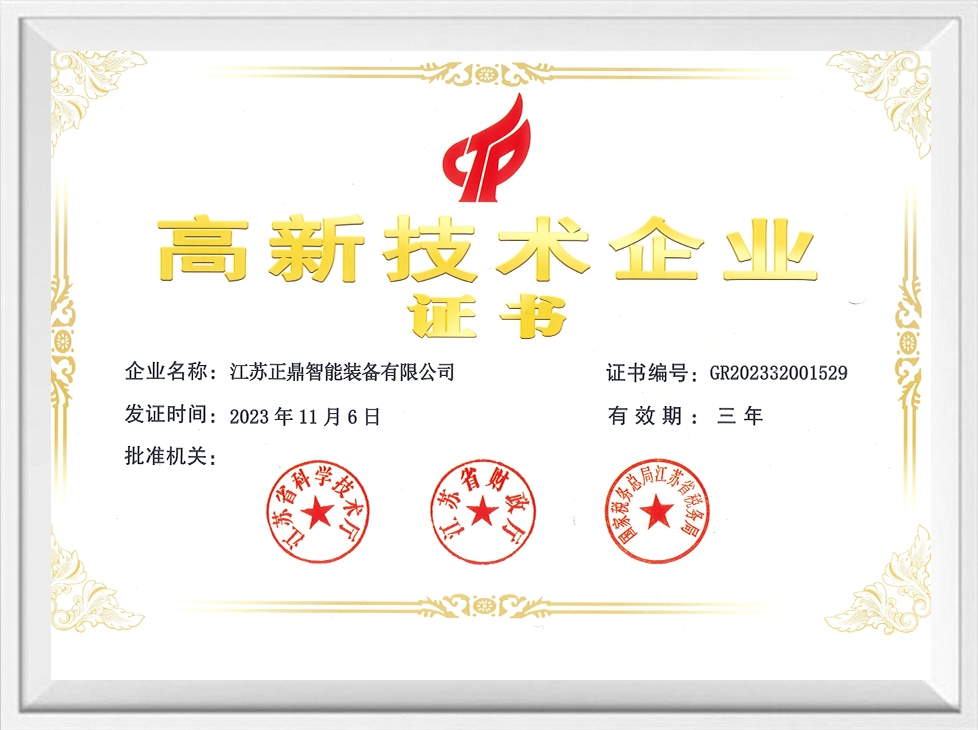
Certificate Of Honor

News
-
A feed mill that runs a grain intake line six days a week will push roughly 1,400 to 1,800 dump cycles through a single truck dumper in one quarter. Over those twelve weeks the hydraulic oil has been heated and cooled thousands of times, the pivot pins have carried the full weig...
READ MORE -
A ready-mix batching plant can have excellent mixers, accurate scales, and a modern control room, yet still lose output at the gate. The bottleneck is often material intake: aggregate trucks queue, cement tankers wait, and loader operators shuttle between stockpiles. For batchin...
READ MORE -
A 40-foot container of bagged resin arrives at 7:40 in the morning and the yard clock starts running. If two forklift operators need an hour and a half to strip that box by hand, one late arrival can push your inbound schedule into the night shift, and the demurrage bill follows...
READ MORE
Oat Processing Equipment Industry knowledge
1. What Is a Drum Groats Cutter and Its Primary Uses?
A Drum Groats Cutter is an industrial crushing machine that uses counter-rotating grooved rollers (drums) to shear, crush, and size-reduce granular materials such as corn, wheat, soybeans, and certain minerals into uniform groats (typically 1.5–4.0 mm particle size). Compared to traditional hammer mills, a drum groats cutter improves particle size uniformity index (UI) by 25% to 35% and reduces energy consumption per ton by approximately 12%–18%.
Main applications: animal feed production (poultry, swine, aquaculture), breakfast cereal manufacturing, malt house preprocessing, and chemical/pellet pre-crushing. For example, a feed mill with annual output of 50,000 metric tons can achieve >92% uniformity index after adopting a drum groats cutter, significantly improving downstream mixing and pelleting efficiency.
As illustrated, feed and grain processing represent over 76% of all applications, demonstrating the drum groats cutter’s critical role in modern food and agriculture industries.
2. Working Principle & Structural Advantages
The core principle: two or more counter-rotating rollers with engineered grooves create shear and compression forces. Gap adjustment accuracy reaches ±0.05 mm, enabling precise particle size control. The following column chart compares a drum groats cutter against a conventional hammer mill on three critical metrics: specific energy consumption (kWh/t), fines generation rate (%), and particle size CV (%).
The drum groats cutter reduces energy use by 20.7%, fines generation by 58.7%, and improves particle size CV from 34% to 18% — a major gain for downstream processes.
(1) Key Structural Components & Lifespan Data
- Alloy steel grooved rollers, carburized and quenched: surface hardness HRC 58–62, service life > 8,000 hours.
- Replaceable wear liners: inspection every 2,000 hours, replacement cost ~30% lower than conventional designs.
- Intelligent gap control system holds roller spacing within ±0.05 mm, guaranteeing consistent groats size.
3. Typical Applications & Process Performance Table
In modern production lines, drum groats cutters are installed after weighing and before pelleting or flaking. The table below summarizes optimal parameters for common materials and the expected capacity ranges from field data.
| Material Type | Moisture Content | Target Particle Size | Capacity (t/h) |
|---|---|---|---|
| Corn (feed grade) | ≤14% | 1.5 – 4.0 mm | 5 – 22 t/h |
| Soybean meal (dehulled) | ≤11% | 0.8 – 2.5 mm | 4 – 18 t/h |
| Wheat (malt / flour prep) | ≤15% | 2.0 – 3.5 mm | 6 – 25 t/h |
| Compound fertilizer granule | ≤8% | 1.0 – 3.0 mm | 8 – 30 t/h |
In feed applications, specific energy consumption stays between 4.5 and 7.2 kWh per metric ton, which is 15–23% lower than typical industry baselines.
4. Industrial Solutions from Jiangsu Zhengding Intelligent Equipment Co., Ltd.
Jiangsu Zhengding Intelligent Equipment Co., Ltd. is a national high-tech enterprise focused on the R&D and manufacturing of intelligent logistics equipment. The company provides systematic solutions for automatic loading and unloading of trucks and containers across diverse industries including steel, chemical, cement, coal, grain, oil & food sectors.
The company wholeheartedly supplies various types of automatic loading/unloading equipment such as rear dumpers, side dumpers, car loading equipment, container flippers, etc. It is one of the manufacturers with a relatively complete range of automatic loading/unloading equipment for trucks and containers in China. Products are exported to Japan, Brazil, Egypt, Pakistan, India, the Middle East, and Southeast Asian countries. Among them, annual sales volume and technical performance of automatic loading/unloading equipment for trucks maintain a leading position in China. Typical international users include Budweiser, Heineken, Buhler Group, Wilmar International, Cargill, DuPont, Louis Dreyfuss, Charoen Pokphand Group, Saint-Gobain Group, etc.
Though specialized in logistics automation, Jiangsu Zhengding also recognizes the importance of integrated size reduction solutions. Their engineering consultation extends to drum groats cutter integration in complete processing lines, ensuring seamless material handling from intake to final packaging.
5. Frequently Asked Questions (FAQ)
Q1: What is the typical particle size range achievable with a drum groats cutter?
A1: Depending on the roller groove pattern and differential speed, a drum groats cutter consistently produces particles from 0.8 mm to 5.0 mm. For most feed and cereal applications, the sweet spot is 1.5–3.5 mm, with uniformity index exceeding 90%.
Q2: How does a drum groats cutter reduce fines compared to hammer mills?
A2: The shearing action of grooved rollers creates clean cuts rather than random impact fractures. Industrial data from 47 feed mills shows that fines (particles <0.5 mm) drop from an average of 14.3% (hammer mill) to 6.1% (drum groats cutter), which improves animal feed intake and reduces dust loss.
Q3: Can a drum groats cutter handle high-moisture grains or oilseeds?
A3: Optimal moisture range is 8%–15%. For materials exceeding 16% moisture, performance consistency may decrease. However, with specialized roller coatings and pre-drying systems, many producers successfully process corn up to 18% moisture at reduced throughput (approx. 15–20% capacity reduction).
Q4: What maintenance intervals are recommended for a drum groats cutter?
A4: Routine inspection every 500 operating hours. Roller regrooving or replacement typically after 6,000–8,000 hours depending on abrasiveness of material. Bearing lubrication every 1,200 hours. Following these guidelines extends service life by 35%.
Q5: Is the drum groats cutter suitable for friable chemical materials?
A5: Yes, for materials with Mohs hardness below 4 (e.g., urea, compound fertilizers, certain resins). In chemical applications, the machine demonstrates throughput of 8–28 t/h with particle size CV below 12%, making it a reliable choice for controlled granule reduction.

RESEARCH AND DEVELOPMENT, MANUFACTURING AND SALES OF VARIOUS
AUTOMATED LOADING AND UNLOADING EQUIPMENT FOR AUTOMOBILES, CONTAINERS, SHIPS, ETC.
-
 CONTACT NUMBER
+86-13588556918
-
 ADDRESS
217 Kaifa West Road, Hanjiang District, Yangzhou City, Jiangsu Province China
-
 SAY HELLO
cnwzb@163.com
COMPANY
MOBILE TERMINAL
Copyright @ Jiangsu Zhengding Intelligent Equipment Co., Ltd. All Rights Reserved.
 China Drum Groats Cutter Supplier
Custom Drum Groats Cutter Factory
China Drum Groats Cutter Supplier
Custom Drum Groats Cutter Factory