
 English
 русский
 Español
 Français
 Português
 عربى
عربى

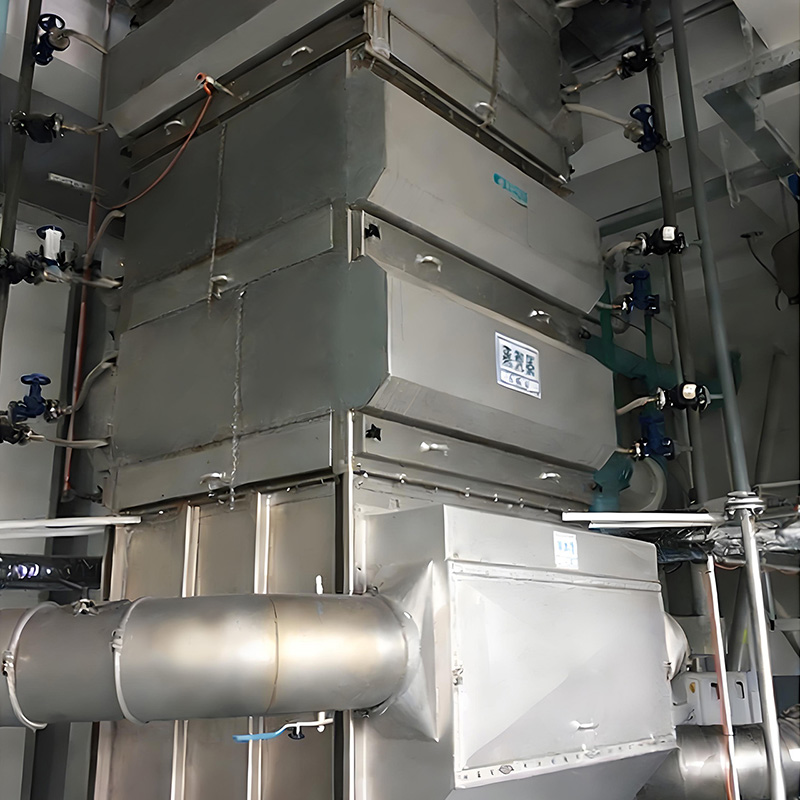
The kiln granotherm is an oat processing equipment developed by our company, primarily used for the hydrothermal treatment of dehulled oats and legumes. Often used in conjunction with a conditioner, the equipment allows for accurate retention time settings and precise addition of moisture and heat to ensure the inactivation of enzymes within the material. Meanwhile, it stabilizes the product by reducing microbial contamination. Hydrothermal treatment also improves the flavor of the finished product.

Kiln Granotherm Factory
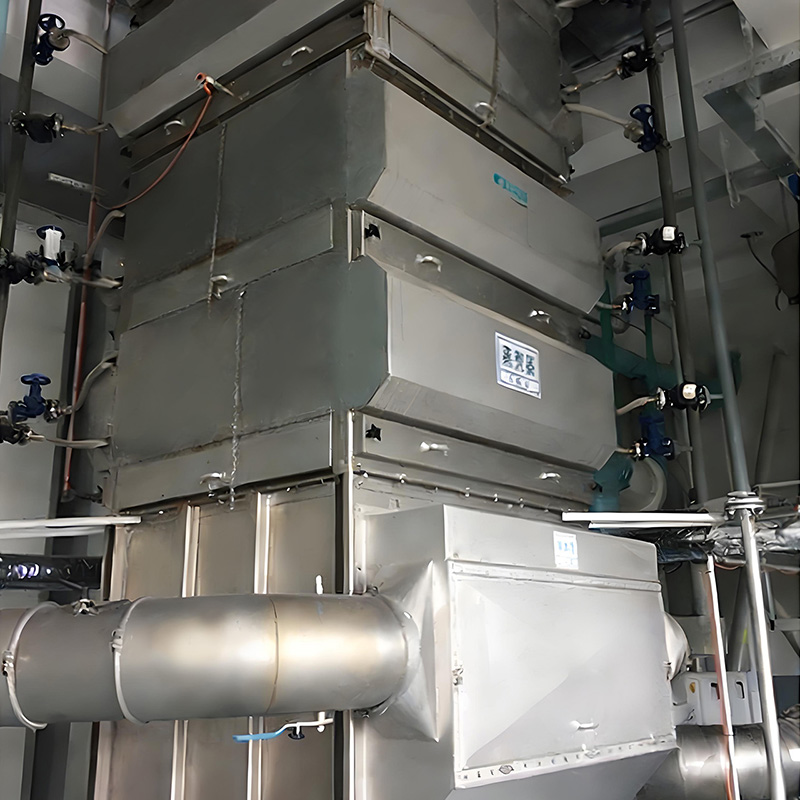
Product Features
1. All parts in contact with the material are made of stainless steel to prevent corrosion and contamination. There are no drive components or moving parts within the material flow;
2. The separation of hot and cold exhaust air prevents condensation, thereby eliminating microbial growth and ensuring optimal hygienic conditions;
3. Hinged cleaning flaps and quick-release closures on the cooling chamber air outlet guards make the equipment easy to maintain;
4. The stainless steel radiators are pull-out type, making maintenance more convenient;
5. The unique design of the equipment effectively prevents material accumulation;
6. All air, steam, and condensate pipelines are easily removable for easy cleaning.
7. Excellent thermal insulation and low energy consumption.
Main Technical Parameters
|
Product Model |
Steam consumption |
Output |
|
(KG/T) |
(T/H) Based on oats |
|
|
YZZ90 |
200 |
1.0-2.0 |
|
YZZ140 |
200 |
2.0-4.0 |
SEND MESSAGE
Message Feedback
About Us
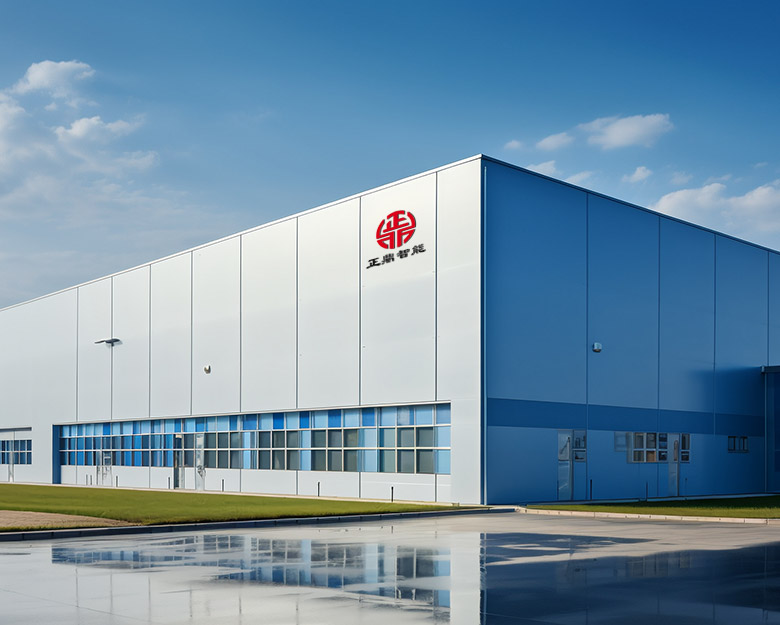
Jiangsu Zhengding Intelligent Equipment Co., Ltd.
Jiangsu Zhengding Intelligent Equipment Co., Ltd. is a national high-tech enterprise mainly engaged in the research and development and manufacturing of intelligent logistics equipment. It can provide systematic solutions for the automatic loading and unloading of cars and containers for customers in different industries.
We are China Kiln Granotherm Supplier and Custom Kiln Granotherm Factory, the company wholeheartedly provides users with various types of automatic loading and unloading equipment such as rear dumpers, side dumpers, car loading equipment, container flippers, etc.; it is one of the companies with a relatively complete range of automatic loading and unloading equipment for cars and containers in China. The products are widely used in the steel, chemical, cement, coal, grain, oil and food industries, and are exported to Japan, Brazil, Egypt, Pakistan, India, the Middle East and Southeast Asian countries. Among them, the annual sales volume and technical performance of automatic loading and unloading equipment for cars are in the leading position in China. Typical international users include Budweiser, Heineken, Buhler Group, Wilmar International, Cargill, DuPont, Louis Dreyfuss, Charoen Pokphand Group, Saint-Gobain Group, etc.}
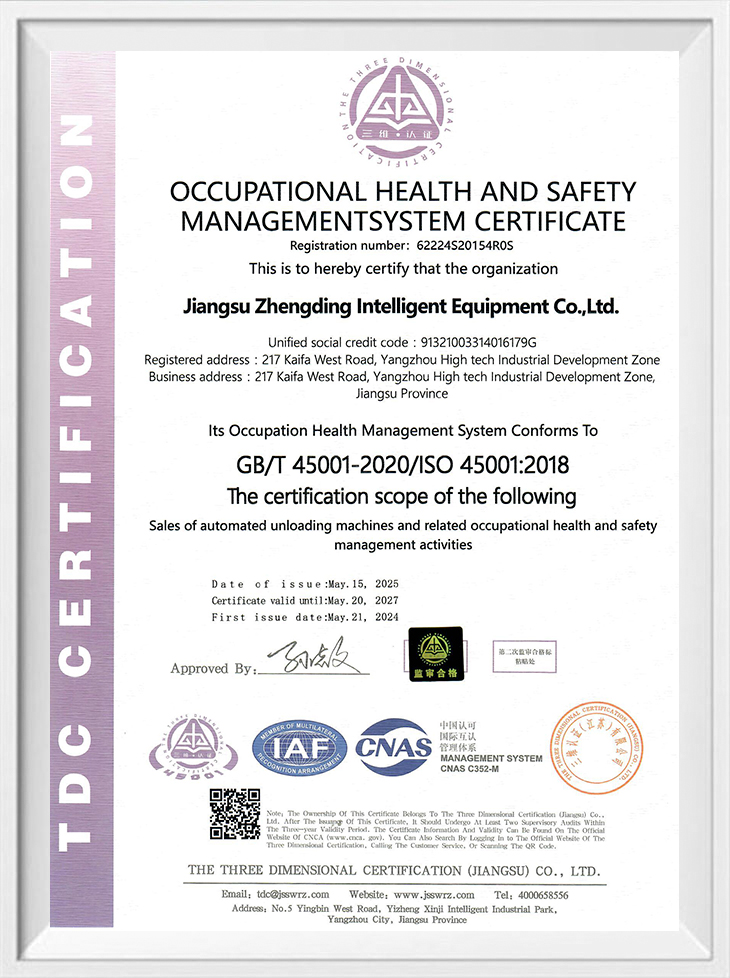
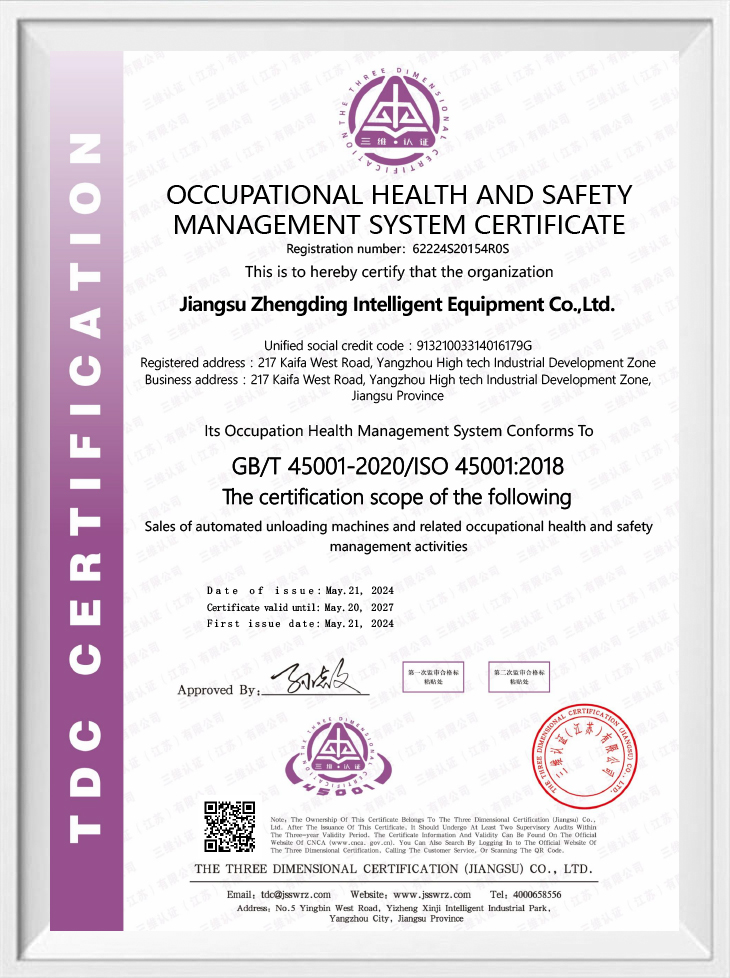
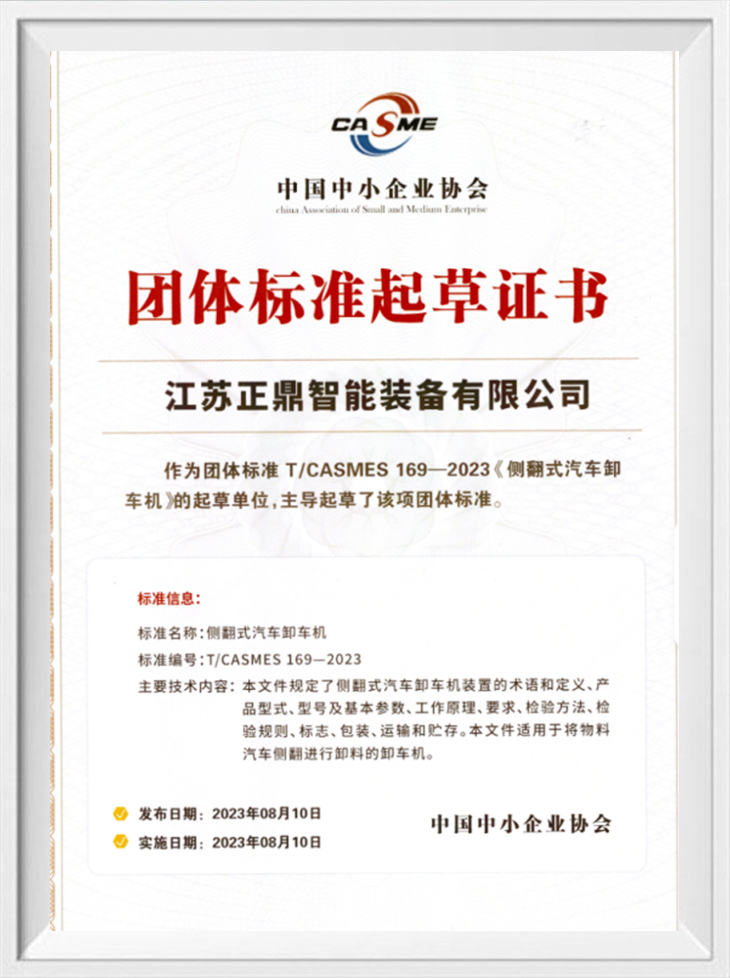
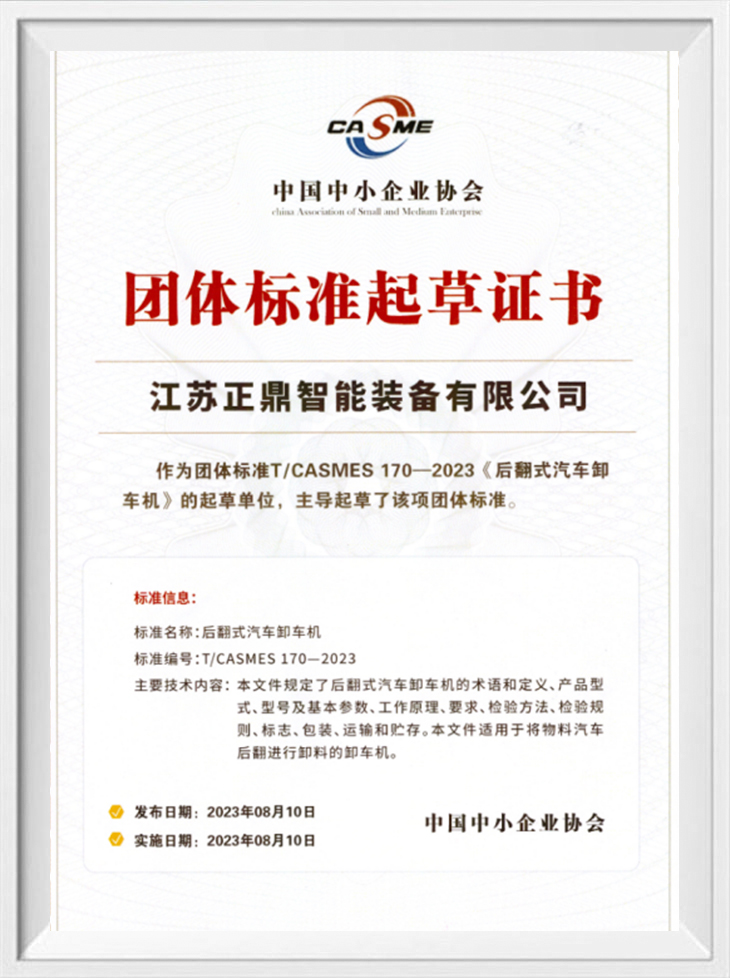
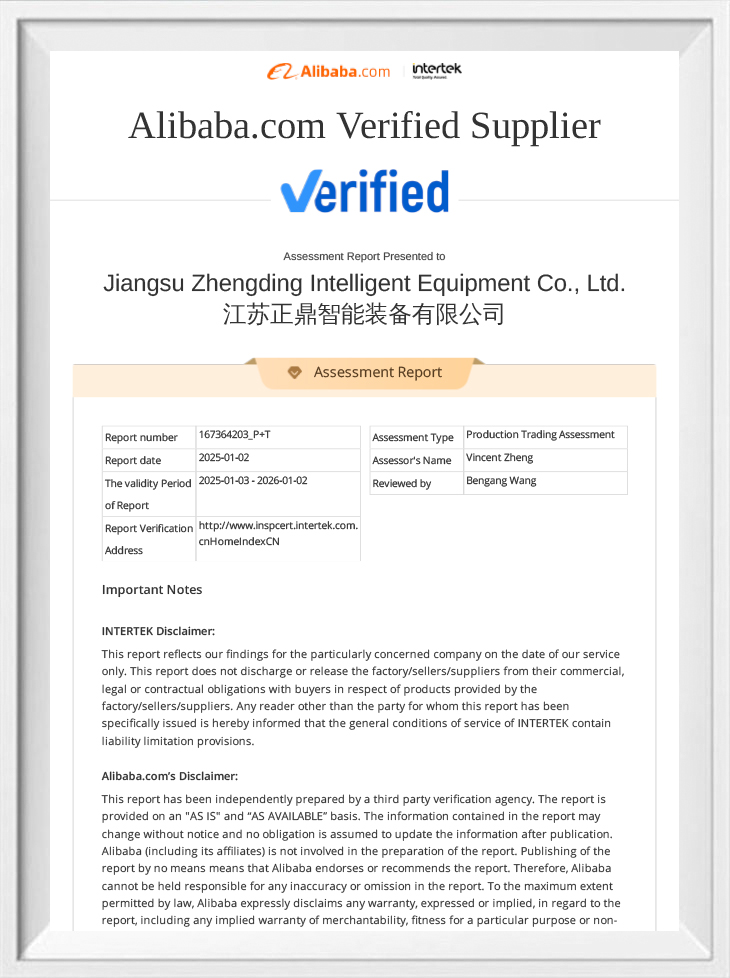
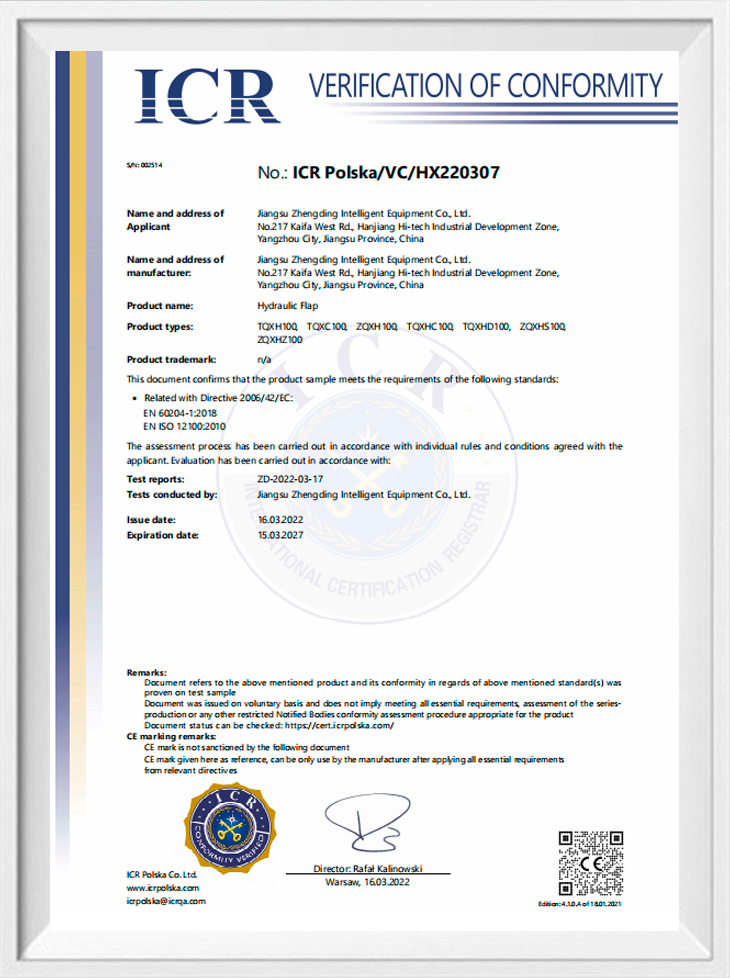
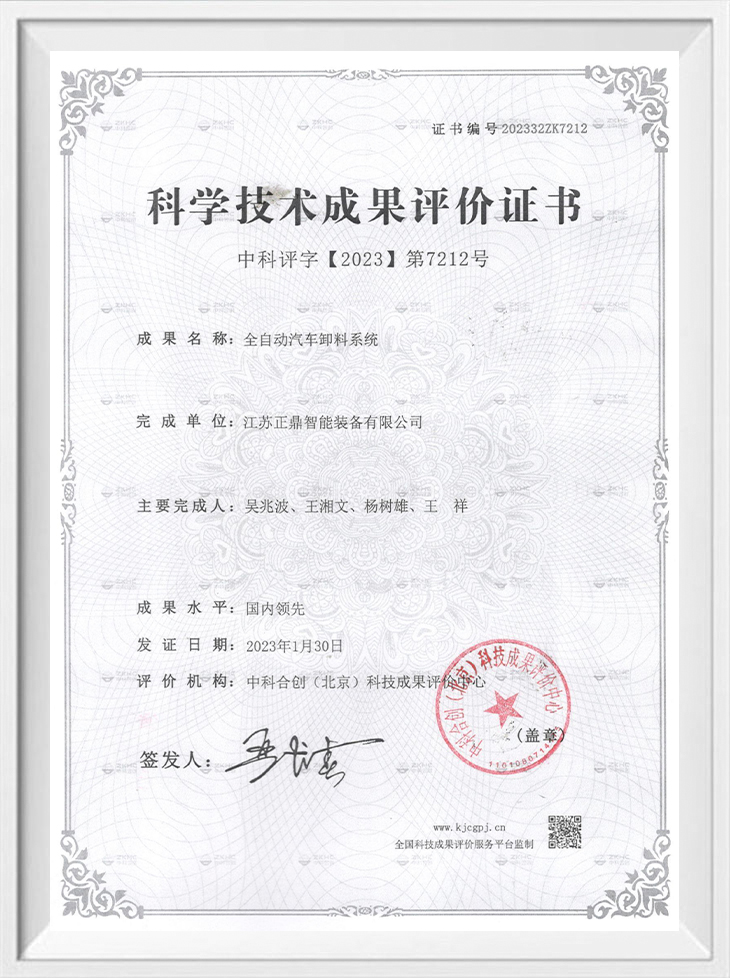
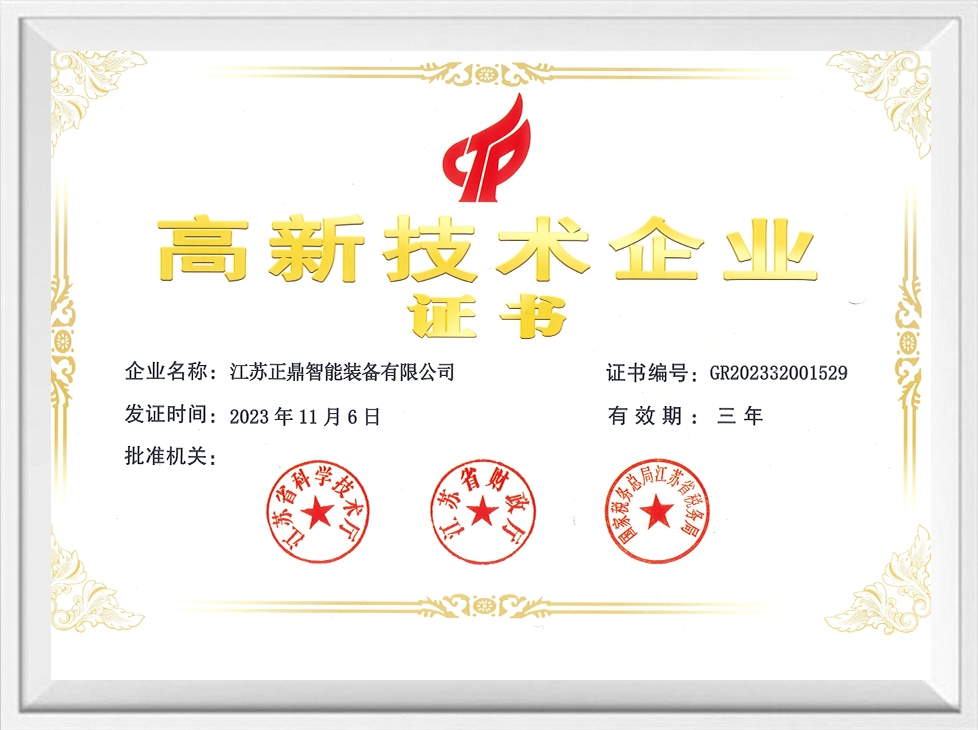
Certificate Of Honor
News
-
A feed mill that runs a grain intake line six days a week will push roughly 1,400 to 1,800 dump cycles through a single truck dumper in one quarter. Over those twelve weeks the hydraulic oil has been heated and cooled thousands of times, the pivot pins have carried the full weig...
READ MORE -
A ready-mix batching plant can have excellent mixers, accurate scales, and a modern control room, yet still lose output at the gate. The bottleneck is often material intake: aggregate trucks queue, cement tankers wait, and loader operators shuttle between stockpiles. For batchin...
READ MORE -
A 40-foot container of bagged resin arrives at 7:40 in the morning and the yard clock starts running. If two forklift operators need an hour and a half to strip that box by hand, one late arrival can push your inbound schedule into the night shift, and the demurrage bill follows...
READ MORE
Oat Processing Equipment Industry knowledge
1. What Is a Kiln Granotherm
A Kiln Granotherm is a specialized rotary thermal processing system designed for the controlled heating, calcination, or drying of granular materials and particulate solids. Unlike conventional kilns, the Granotherm incorporates advanced heat transfer mechanisms that ensure uniform temperature distribution across individual particles, minimizing thermal gradients and reducing product degradation. These systems are utilized in industries such as mineral processing, chemical production, catalyst manufacturing, and specialty material treatment.
Industry data from 2025 indicates that facilities using Granotherm type kilns achieve temperature uniformity within plus or minus 5 degrees Celsius across the material bed, compared to typical variations of 15 to 25 degrees in conventional rotary kilns. This precision translates to product quality improvements of approximately 18 to 25 percent in applications requiring strict thermal profiles.
(1) Core components of a Granotherm system
- Rotary cylindrical shell – typically constructed from heat resistant alloy steel with internal lifting flights.
- Multi zone heating arrangement – independent heating zones allow precise temperature profiling along the kiln length.
- Advanced particle dispersion system – ensures individual particle exposure to heating media.
- Integrated cooling section – gradual product temperature reduction to prevent thermal shock.
- Process gas management system – controls atmosphere composition within the kiln.
Application example: A catalyst manufacturing plant processing 5 metric tons per hour of alumina based particles achieved reduction in product rejection rates from 8.4 percent to 2.7 percent after installing a Granotherm type kiln system.
2. How Does a Kiln Granotherm Work
The operational principle of a Kiln Granotherm focuses on optimized particle motion combined with controlled heat input. Unlike traditional kilns where material moves primarily by rolling, the Granotherm design creates a cascading curtain of particles that repeatedly exposes each granule to the hot gas stream and heated wall surfaces.
(2) Sequential processing stages
- Granular feed enters the rotating shell through a sealed feed chute.
- Internal lifting flights raise particles and release them in a curtain pattern across the kiln cross section.
- Hot gases flow counter current or co current relative to material movement, transferring heat by convection and radiation.
- Each particle receives heat from both the gas stream and the heated shell wall, promoting uniform core temperature.
- Material progresses through multiple temperature zones for staged reactions such as drying, calcination, or sintering.
- Processed material enters the cooling zone before discharge.
The residence time of material within a Granotherm kiln typically ranges from 15 to 45 minutes, depending on the required thermal treatment intensity. The rotational speed is adjustable, usually between 1 and 5 revolutions per minute, allowing operators to control particle cascading behavior and throughput.
(3) Particle temperature distribution comparison – Custom bubble chart visualization
The particle distribution visualization demonstrates that the Granotherm design achieves significantly tighter temperature uniformity across the material bed, with a temperature variation approximately one third of conventional kiln systems. This uniformity directly correlates with consistent product properties.
3. Performance Metrics and Thermal Efficiency Advantages
(4) Heat transfer efficiency by kiln type – Column Chart
(5) Fuel consumption trend from 2018 to 2026 – Line Chart
The line chart illustrates that facilities implementing Granotherm technology have achieved approximately 50 percent reduction in specific energy consumption over the adoption period, compared to a modest 14 percent improvement in conventional kiln systems.
(6) Performance radar chart – Granotherm versus Conventional Kiln
The radar chart demonstrates that the Granotherm design delivers substantial improvements in thermal uniformity, fuel efficiency, and final product quality while maintaining competitive throughput and operational flexibility compared to conventional rotary kiln technology.
4. Supporting Thermal Processing Operations – Jiangsu Zhengding Intelligent Equipment
Jiangsu Zhengding Intelligent Equipment Co., Ltd. is a national high-tech enterprise mainly engaged in the research and development and manufacturing of intelligent logistics equipment. It can provide systematic solutions for the automatic loading and unloading of cars and containers for customers in different industries.
The company wholeheartedly provides users with various types of automatic loading and unloading equipment such as rear dumpers, side dumpers, car loading equipment, container flippers, etc. It is one of the companies with a relatively complete range of automatic loading and unloading equipment for cars and containers in China. The products are widely used in the steel, chemical, cement, coal, grain, oil and food industries, and are exported to Japan, Brazil, Egypt, Pakistan, India, the Middle East and Southeast Asian countries. Among them, the annual sales volume and technical performance of automatic loading and unloading equipment for cars are in the leading position in China. Typical international users include Budweiser, Heineken, Buhler Group, Wilmar International, Cargill, DuPont, Louis Dreyfuss, Charoen Pokphand Group, Saint-Gobain Group, etc.
For facilities utilizing advanced thermal processing equipment such as the Kiln Granotherm, Zhengding's automated material handling systems provide efficient feed and discharge integration. The company's container loading solutions and bulk transfer equipment help maintain continuous operation between upstream preparation and downstream processing stages.
| Parameter | Typical Range | Application Influence |
|---|---|---|
| Operating Temperature | 150 to 1100 degrees Celsius | Drying to calcination range |
| Residence Time | 15 to 45 minutes | Adjustable via rotation speed |
| Fill Percentage | 8 to 15 percent | Affects particle curtain formation |
| Aspect Ratio (L:D) | 8:1 to 15:1 | Determines residence time profile |
Zhengding's automated bulk handling solutions complement thermal processing operations by providing consistent feed rate control, minimizing material segregation, and enabling dust contained transfer to and from kiln systems.
5. Frequently Asked Questions
Q1: What types of granular materials are suitable for Granotherm processing?
A1: Granotherm systems are suitable for a wide range of particulate materials including mineral concentrates, catalyst supports, ceramic powders, chemical intermediates, carbon based materials, and specialty agricultural products. The key requirement is that the material maintains its particulate form during processing without excessive attrition or agglomeration.
Q2: How does the Granotherm achieve superior temperature uniformity compared to conventional kilns?
A2: The improved uniformity results from three design features: optimized lifting flight geometry that creates a dense falling curtain of particles; multi zone heating elements that allow independent temperature control along the kiln length; and enhanced gas particle contact through the cascading action, which eliminates thermal stratification within the material bed.
Q3: What typical maintenance intervals are required for Granotherm type equipment?
A3: Recommended maintenance includes quarterly inspection of lifting flights and refractory lining, semiannual drive system and bearing checks, and annual replacement of thermocouples and seal elements. The heating elements typically have an operational life of 8,000 to 12,000 hours depending on operating temperature and cycling frequency.

RESEARCH AND DEVELOPMENT, MANUFACTURING AND SALES OF VARIOUS
AUTOMATED LOADING AND UNLOADING EQUIPMENT FOR AUTOMOBILES, CONTAINERS, SHIPS, ETC.
-
 CONTACT NUMBER
+86-13588556918
-
 ADDRESS
217 Kaifa West Road, Hanjiang District, Yangzhou City, Jiangsu Province China
-
 SAY HELLO
cnwzb@163.com
COMPANY
MOBILE TERMINAL
Copyright @ Jiangsu Zhengding Intelligent Equipment Co., Ltd. All Rights Reserved.
 China Kiln Granotherm Supplier
Custom Kiln Granotherm Factory
China Kiln Granotherm Supplier
Custom Kiln Granotherm Factory