
 English
 русский
 Español
 Français
 Português
 عربى
عربى

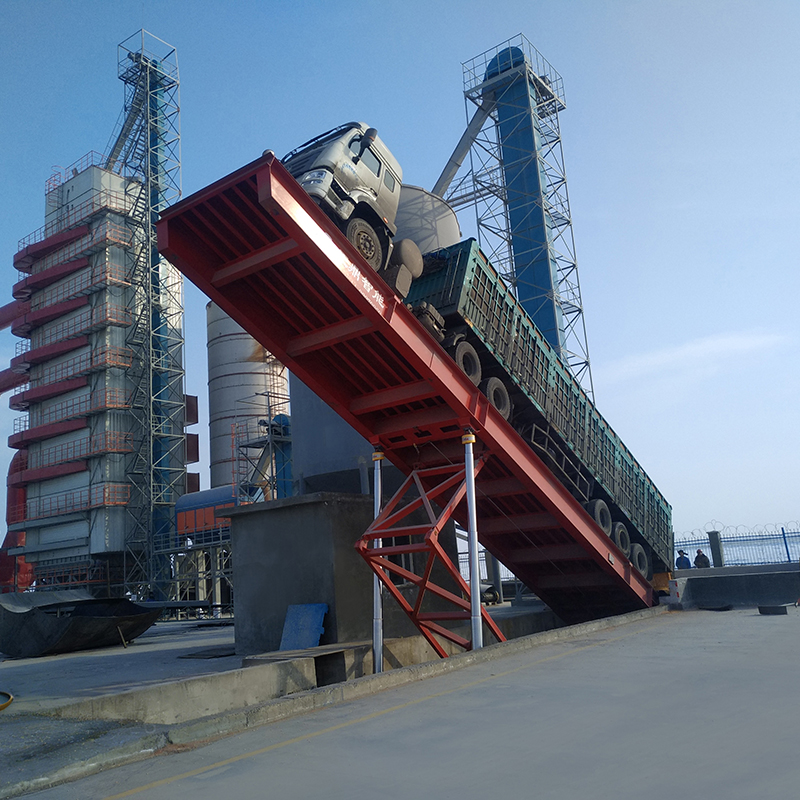
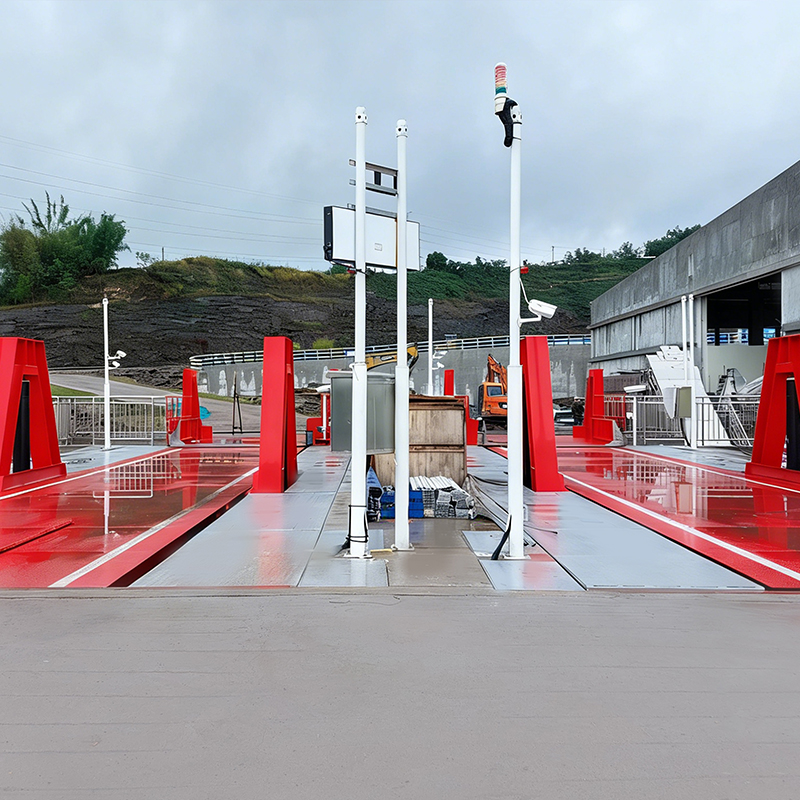
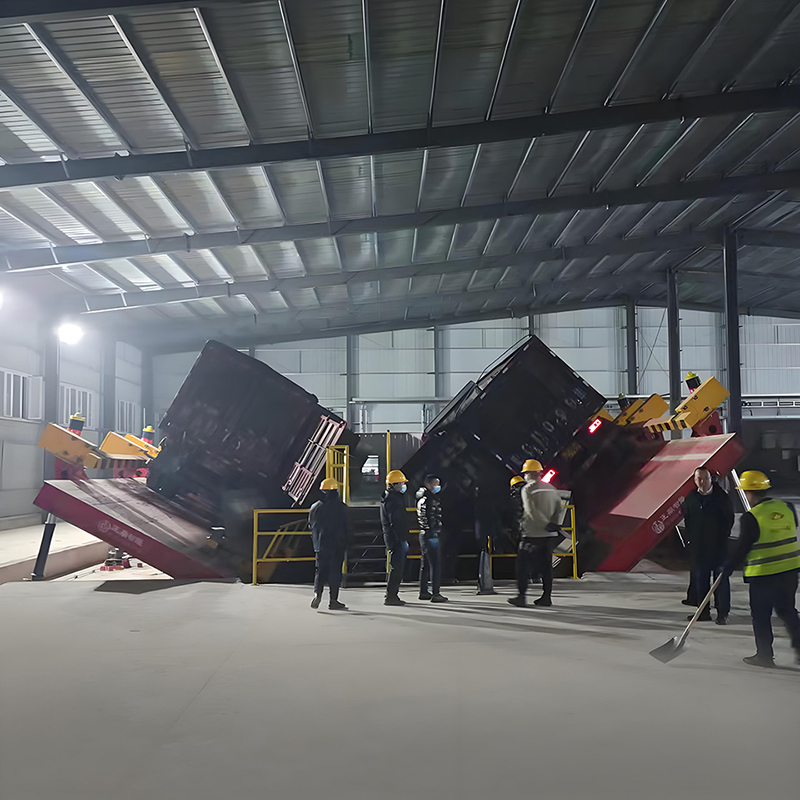
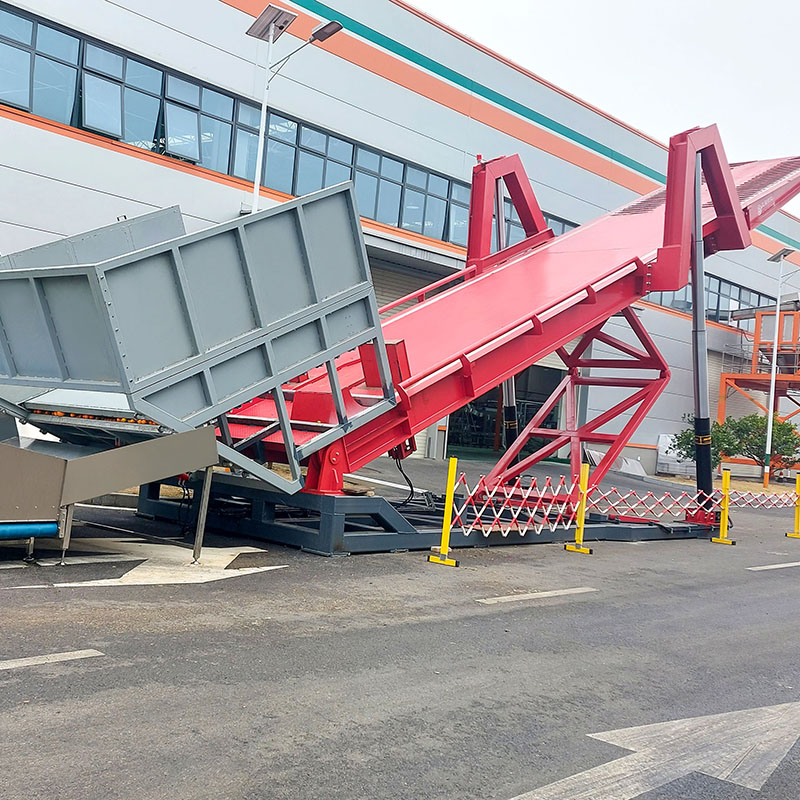
While traditional truck dumpers synchronize side cylinders by controlling oil flow—a method prone to high failure rates and low precision—our system utilizes a mechanical rigid synchronization mechanism. This design ensures a simpler structure, superior operational reliability, and enhanced safety.

Truck Dumpers Factory
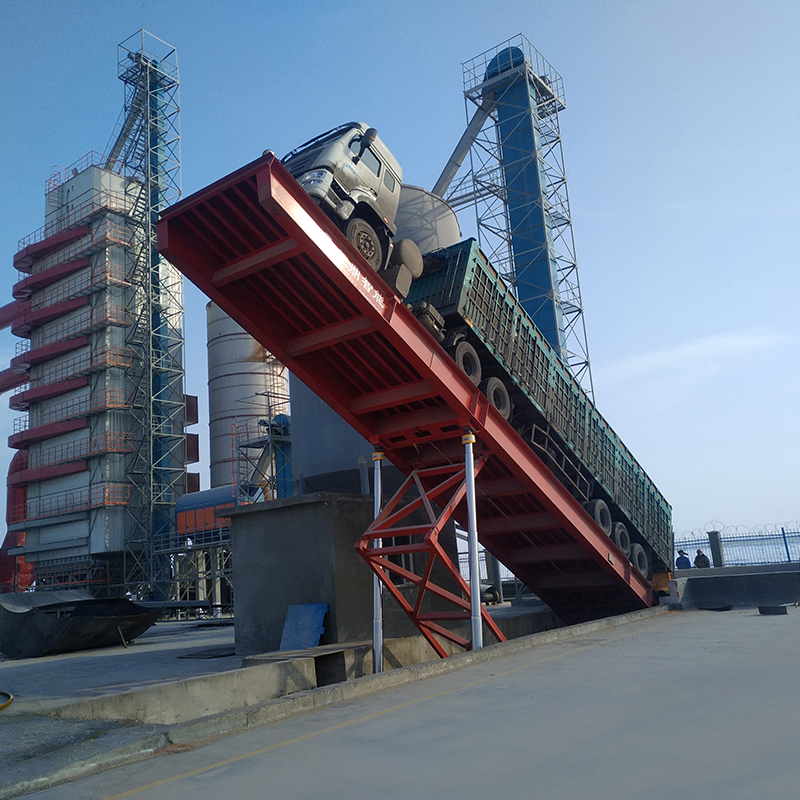
Product characteristics
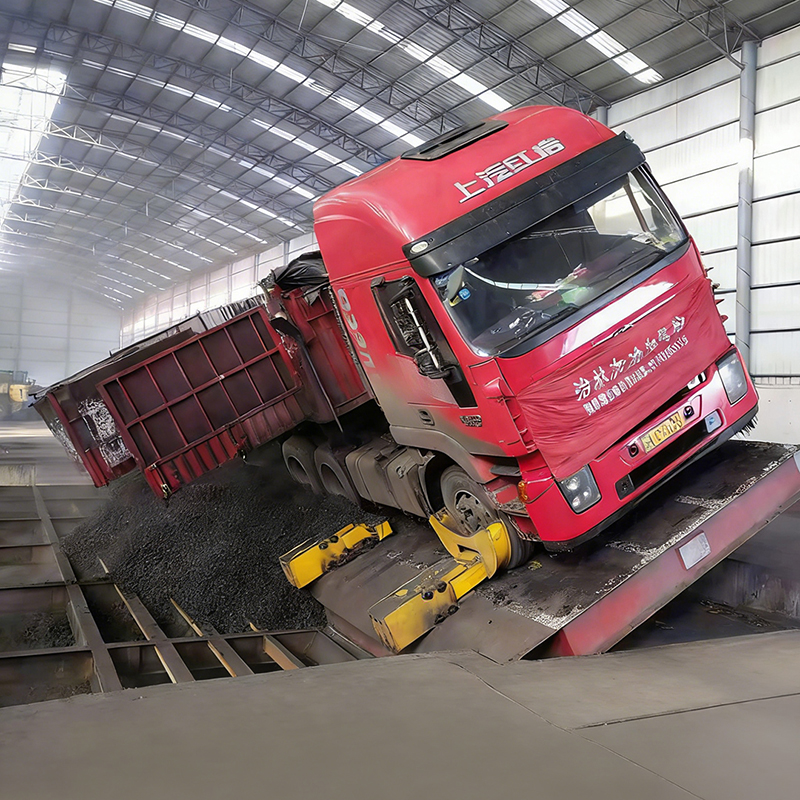
The high-precision oil cylinder synchronous stability system created by our company is adopted, which has high safety, small vibration during operation, small impact on the oil cylinder,and greatly prolongs the service life of the oil cylinder.
Full automatic retaining wheel fixing device is adopted,avoid the operator holding the remote control in a dusty environment to remote,simple, safe and efficient operation.
The oil cylinders and pumps are imported brands, safe and reliable, with long service life, which is safe, reliable and has a long service life.
Unmanned control can be realized, no professional operators are required, and the driver can complete the operation by himself.
Main Technical Parameters
|
Model |
Size L*W/M |
Maximum lifing weight/T |
Maximum lifting angle |
|
TQXHD 50 |
14*3/16*3/17*3 |
80 |
45°/55° |
|
TQXHD 80 |
16*3/17*3/18*3 |
80 |
45°/55° |
|
TQXHD 100 |
17*3/18*3/20*3 |
100 |
45°/55° |
|
TQXHD 150 |
17*3/18*3/20*3 |
150 |
45°/55° |
SEND MESSAGE
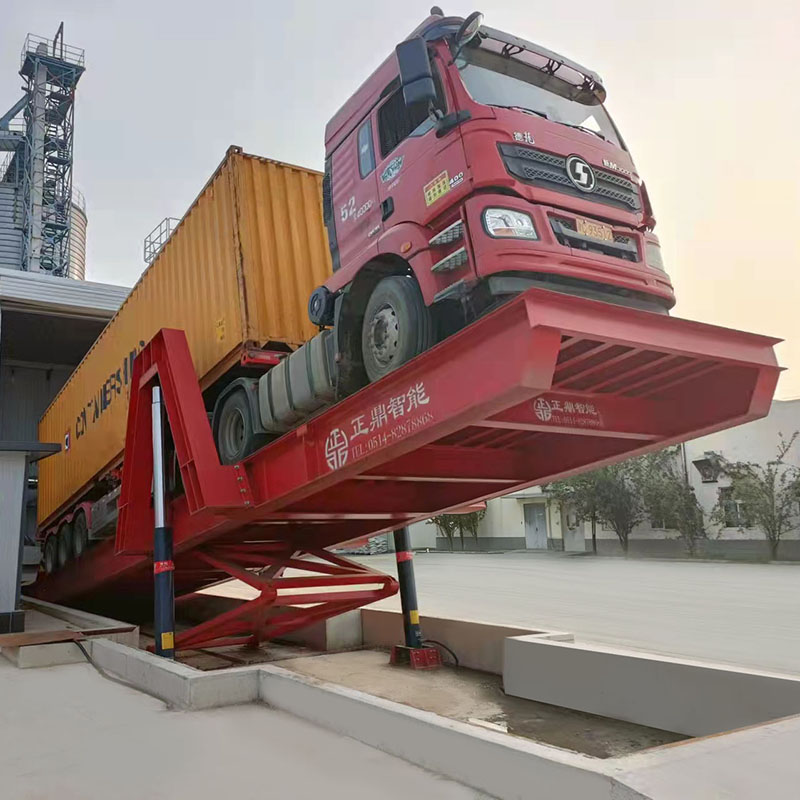
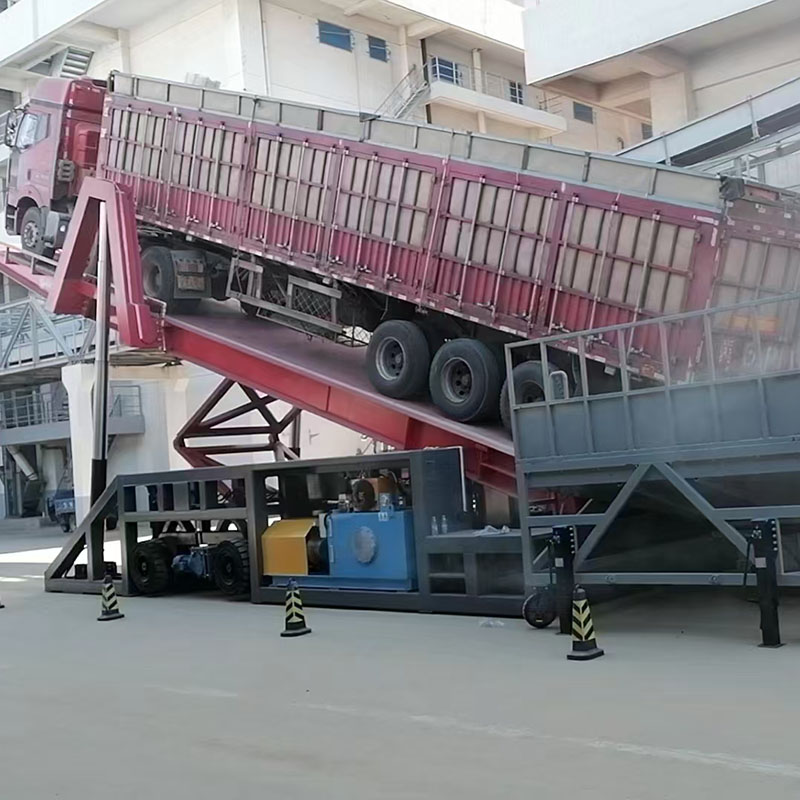
Message Feedback
About Us
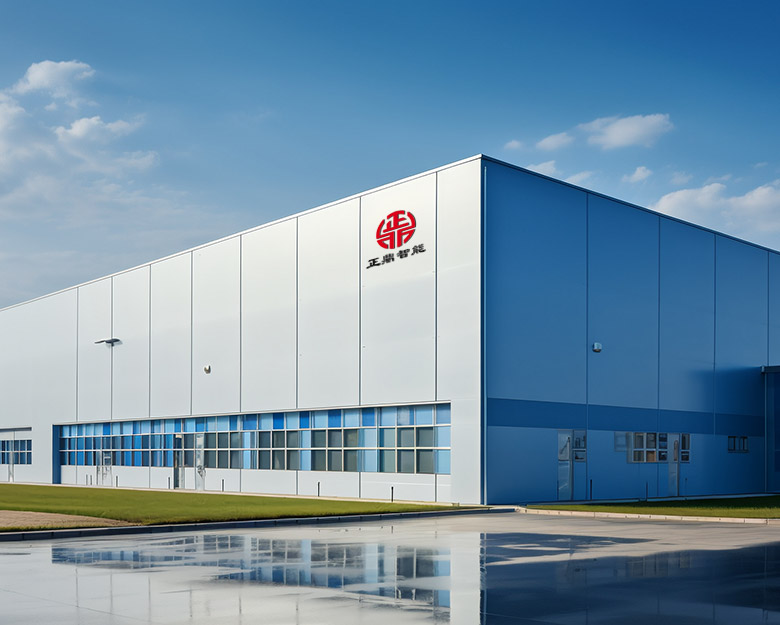
Jiangsu Zhengding Intelligent Equipment Co., Ltd.
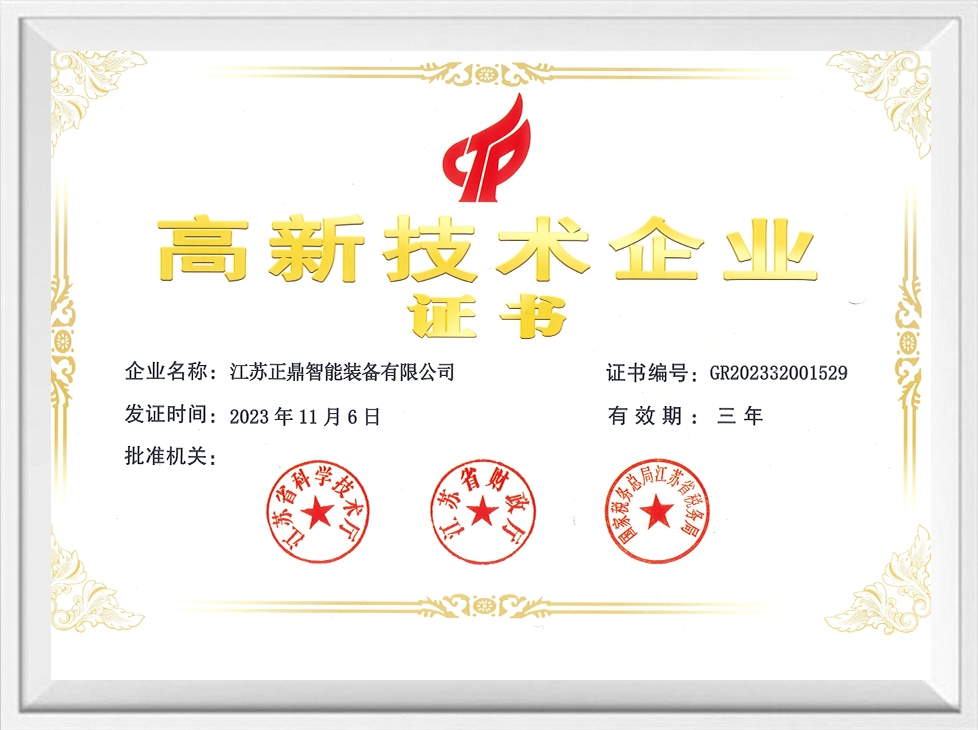
Jiangsu Zhengding Intelligent Equipment Co., Ltd. is a national high-tech enterprise mainly engaged in the research and development and manufacturing of intelligent logistics equipment. It can provide systematic solutions for the automatic loading and unloading of cars and containers for customers in different industries.
We are China Truck Dumpers Supplier and Custom Truck Dumpers Factory, the company wholeheartedly provides users with various types of automatic loading and unloading equipment such as rear dumpers, side dumpers, car loading equipment, container flippers, etc.; it is one of the companies with a relatively complete range of automatic loading and unloading equipment for cars and containers in China. The products are widely used in the steel, chemical, cement, coal, grain, oil and food industries, and are exported to Japan, Brazil, Egypt, Pakistan, India, the Middle East and Southeast Asian countries. Among them, the annual sales volume and technical performance of automatic loading and unloading equipment for cars are in the leading position in China. Typical international users include Budweiser, Heineken, Buhler Group, Wilmar International, Cargill, DuPont, Louis Dreyfuss, Charoen Pokphand Group, Saint-Gobain Group, etc.}
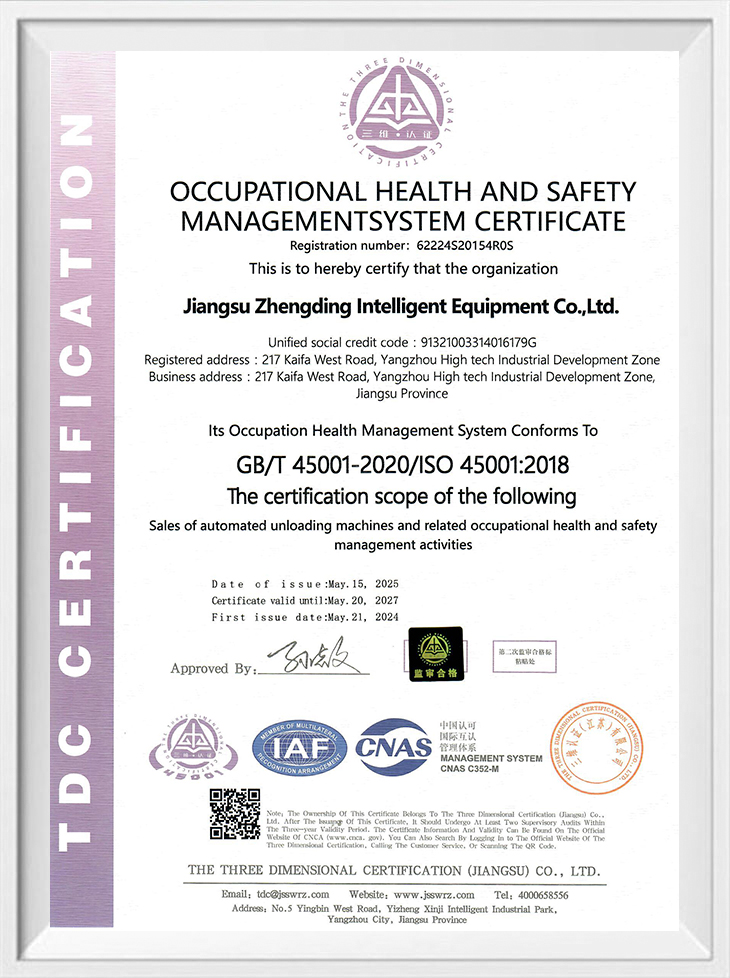
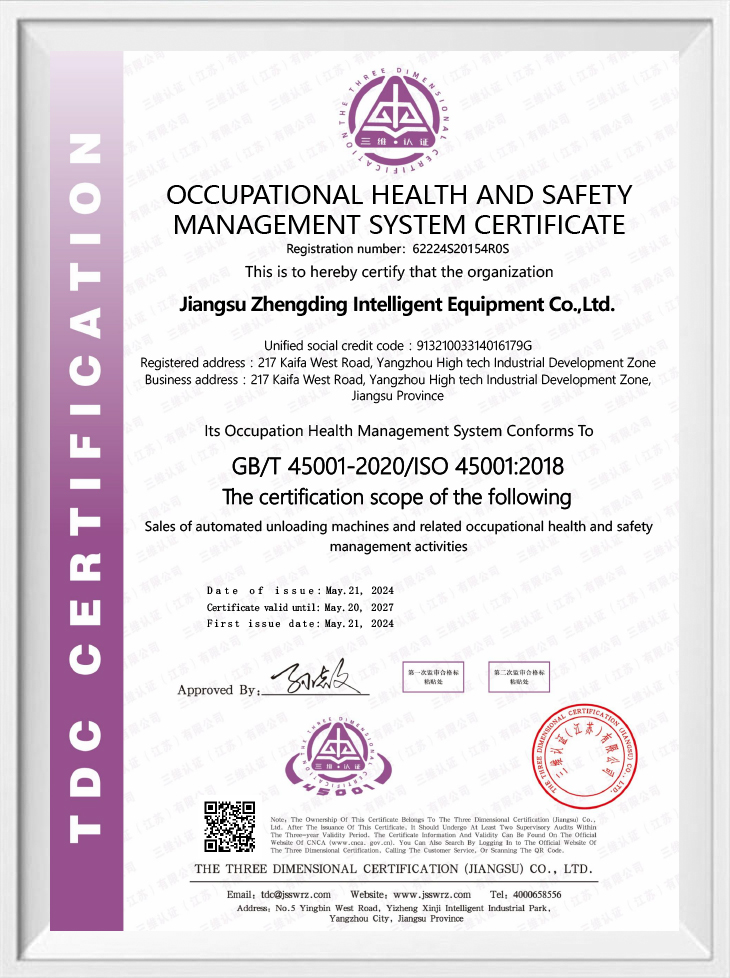
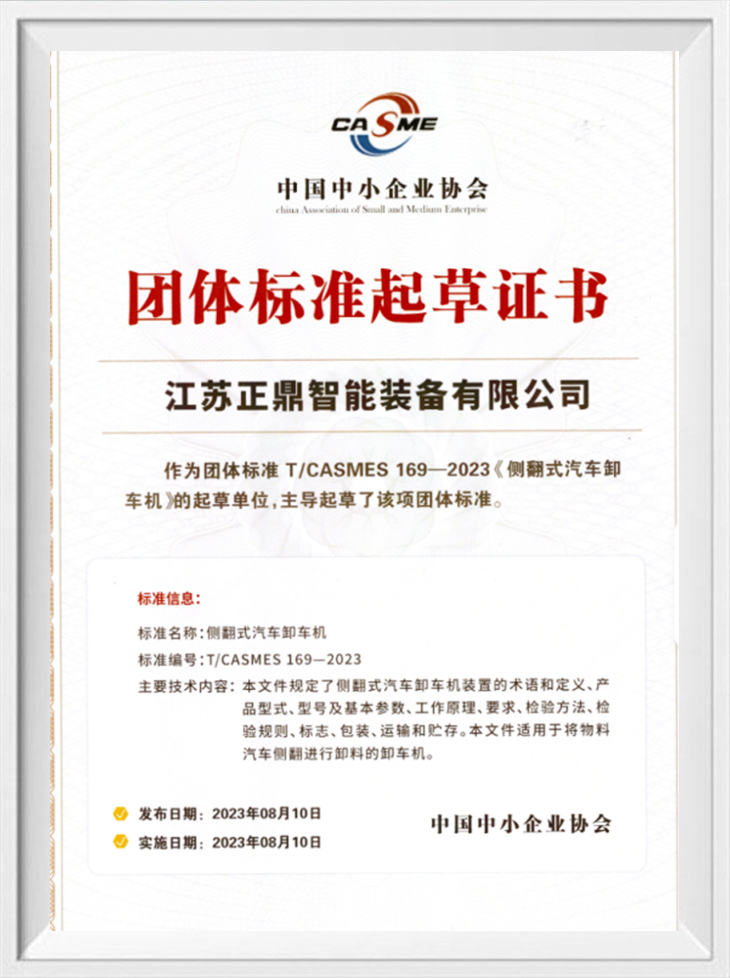
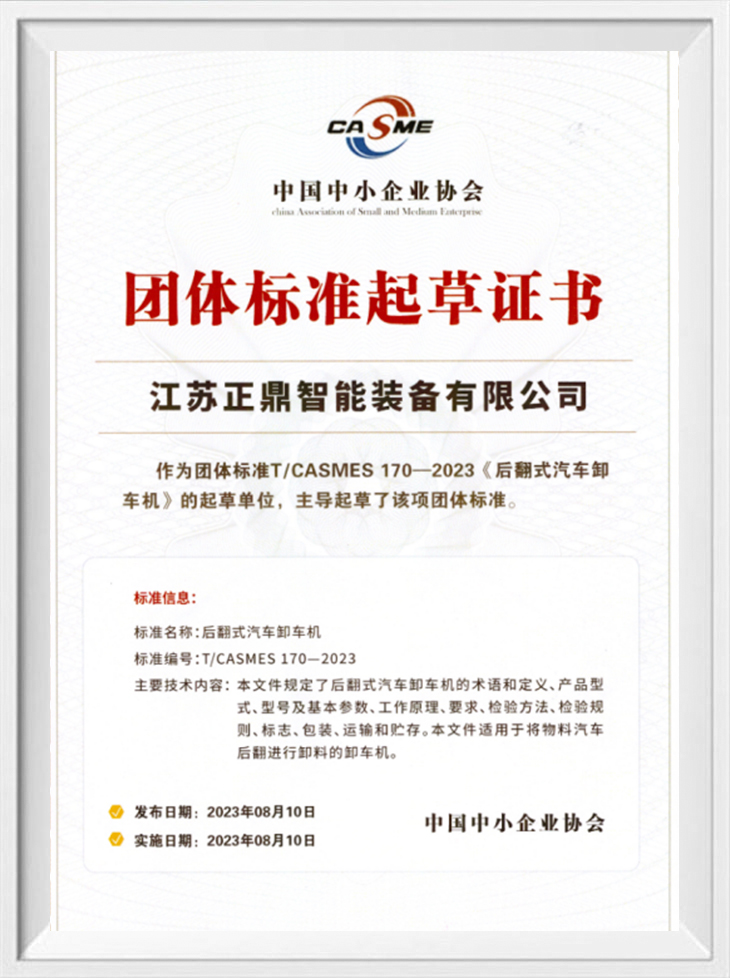
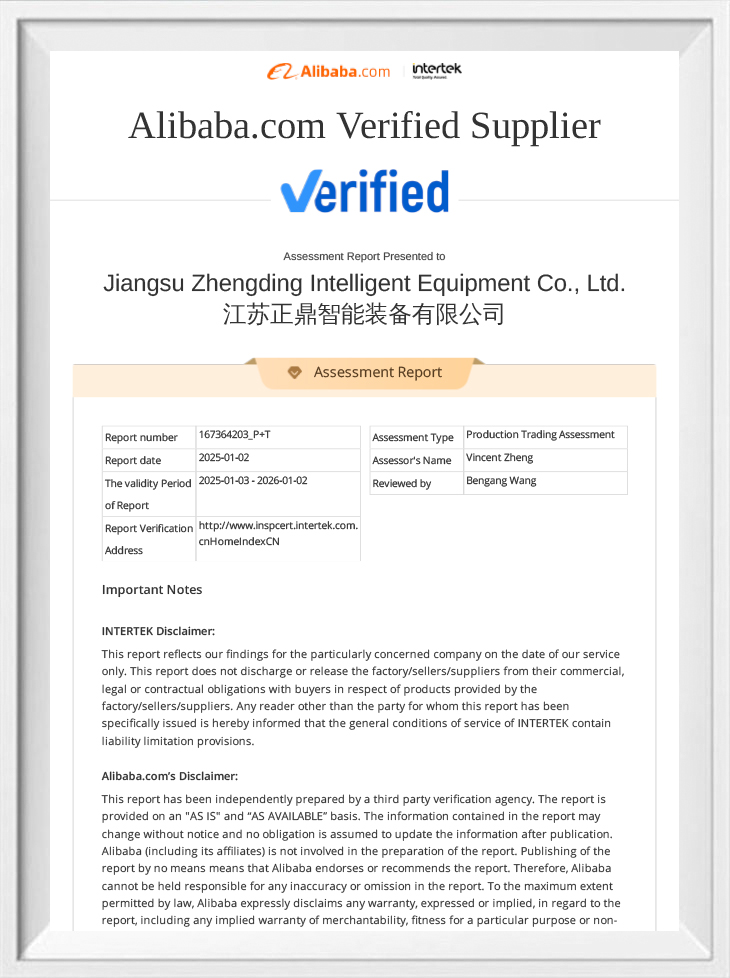
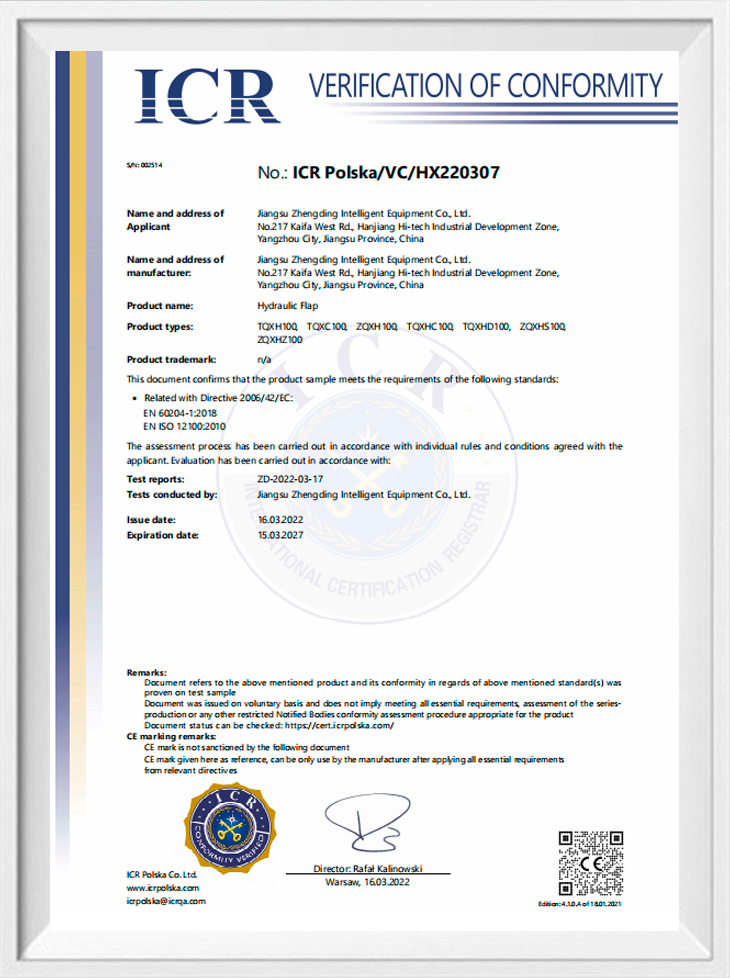
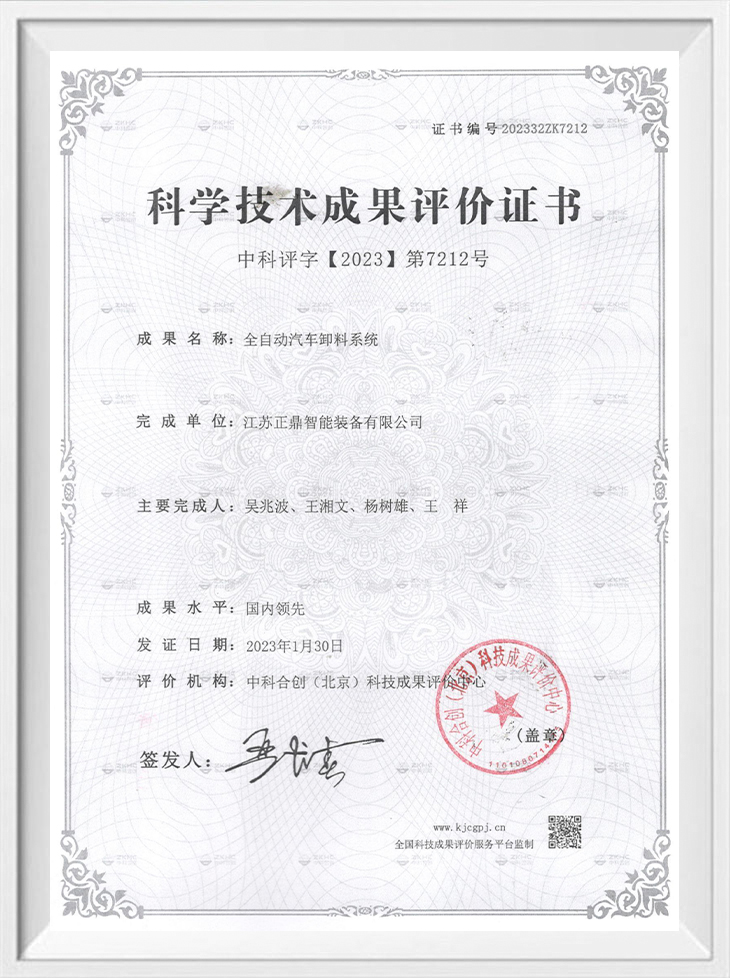
Certificate Of Honor
News
-
A feed mill that runs a grain intake line six days a week will push roughly 1,400 to 1,800 dump cycles through a single truck dumper in one quarter. Over those twelve weeks the hydraulic oil has been heated and cooled thousands of times, the pivot pins have carried the full weig...
READ MORE -
A ready-mix batching plant can have excellent mixers, accurate scales, and a modern control room, yet still lose output at the gate. The bottleneck is often material intake: aggregate trucks queue, cement tankers wait, and loader operators shuttle between stockpiles. For batchin...
READ MORE -
A 40-foot container of bagged resin arrives at 7:40 in the morning and the yard clock starts running. If two forklift operators need an hour and a half to strip that box by hand, one late arrival can push your inbound schedule into the night shift, and the demurrage bill follows...
READ MORE
Truck Dumper Industry knowledge
1. Understanding Truck Dumper Safety Risks and Essential Measures
Truck dumpers are powerful hydraulic systems that lift and tilt heavy vehicles weighing up to 80 metric tons. Without proper safety measures, these machines present serious hazards including tip-overs, unintended platform descent, vehicle roll-off, and crushing injuries. Industry data from 2025 indicates that facilities with comprehensive safety programs experience 85 to 95 percent fewer incidents compared to those with minimal safety protocols. Essential safety measures fall into equipment design, operational procedures, training requirements, and maintenance practices.
A review of industry incident reports shows that 60 percent of dumper-related accidents involve inadequate wheel chocking or failed vehicle restraint systems, while 25 percent are related to hydraulic system failures or improper maintenance.
(1) Primary hazard categories
- Vehicle roll-off – truck moves off platform during tilting.
- Platform tip-over – instability from improper loading or ground conditions.
- Hydraulic failure – uncontrolled platform descent.
- Crushing/entrapment – personnel between truck and structure.
- Material engulfment – being buried by discharged bulk material.
Safety example: A facility that implemented interlocked wheel chocks and visual confirmation cameras reduced near-miss incidents from 12 per year to zero over a 24 month period.
2. Equipment Design and Engineering Safety Controls
Engineering controls are the most reliable safety measures because they prevent hazards rather than relying on operator behavior. These built-in systems should be included in any dumper specification or retrofit.
(2) Accident root causes – Pie chart distribution
(3) Safety measure effectiveness – Horizontal bar chart
The chart shows that engineered controls like interlocked wheel chocks and hydraulic safety valves are substantially more effective than administrative controls alone. Facilities should prioritize these passive safety systems.
(4) Essential safety equipment checklist
- Vehicle restraint system – wheel chocks or clamp that prevents truck movement during tilt.
- Hydraulic holding valve – prevents uncontrolled platform descent if hose fails.
- Platform limit switches – prevent tilt beyond maximum angle.
- Emergency stop system – multiple locations including remote and platform-mounted.
- Interlock sequence control – prevents tilt without restraints engaged.
- Warning lights and horn – alert during platform movement.
A complete safety audit should verify the presence and function of all these items. Equipment lacking any of these fundamental safety features should be taken out of service until retrofitted.
3. Operational Procedures and Training Requirements
(5) Accident rate trend by safety maturity – Line Chart
The chart demonstrates that sustained safety training and procedure enforcement leads to incident rate reductions of 70 to 85 percent over a 5 year period. The most dramatic improvements occur in the first 18 to 24 months.
(6) Safety culture radar – Procedural compliance
The radar chart illustrates that a comprehensive safety culture with regular training, hazard reporting, equipment inspections, and management commitment achieves substantially higher safety performance than basic compliance alone.
(7) Operator training requirements table
| Training Topic | Initial Duration | Refresher Frequency | Assessment Method |
|---|---|---|---|
| Equipment familiarization | 4 hours | Annual | Practical demonstration |
| Safe operating procedures | 8 hours | Semi-annual | Written exam |
| Emergency response | 4 hours | Annual | Drill participation |
| Maintenance awareness | 2 hours | Annual | Verbal quiz |
Documentation of all training should be maintained for each operator. Only personnel who have completed initial training and passed assessment should be authorized to operate the equipment.
4. Safety-First Equipment from Jiangsu Zhengding Intelligent Equipment
Jiangsu Zhengding Intelligent Equipment Co., Ltd. is a national high-tech enterprise mainly engaged in the research and development and manufacturing of intelligent logistics equipment. It can provide systematic solutions for the automatic loading and unloading of cars and containers for customers in different industries.
The company wholeheartedly provides users with various types of automatic loading and unloading equipment such as rear dumpers, side dumpers, car loading equipment, container flippers, etc. It is one of the companies with a relatively complete range of automatic loading and unloading equipment for cars and containers in China. The products are widely used in the steel, chemical, cement, coal, grain, oil and food industries, and are exported to Japan, Brazil, Egypt, Pakistan, India, the Middle East and Southeast Asian countries. Among them, the annual sales volume and technical performance of automatic loading and unloading equipment for cars are in the leading position in China. Typical international users include Budweiser, Heineken, Buhler Group, Wilmar International, Cargill, DuPont, Louis Dreyfuss, Charoen Pokphand Group, Saint-Gobain Group, etc.
Zhengding's truck dumpers incorporate multiple redundant safety systems including hydraulic holding valves, interlocked wheel chocks, platform limit switches, and emergency stop controls. The company provides comprehensive operator and maintenance training with each installation.
5. Frequently Asked Questions
Q1: How often should hydraulic safety systems be inspected?
A1: Hydraulic systems including holding valves, hoses, and fittings should be inspected daily by operators before use, weekly by maintenance staff for visible wear, and undergo detailed annual inspection including pressure testing and valve function verification. Hose replacement is typically recommended every 5 to 7 years regardless of visible condition.
Q2: What is the safe distance for personnel during dumper operation?
A2: A clear zone of at least 3 meters should be maintained around the platform during operation. The control station should be positioned outside this zone with an unobstructed view of the platform. Some facilities establish interlocked gates or barriers that prevent operation when personnel are inside the danger zone.
Q3: Are wheel chocks alone sufficient to prevent truck movement?
A3: Wheel chocks are not sufficient as the only restraint. Industry standards recommend positive mechanical restraints such as wheel clamps or bumper blocks that engage automatically or under operator control. Chocks can be displaced or ineffective on wet or icy surfaces. A combination of restraints plus interlocking provides the highest level of safety.

RESEARCH AND DEVELOPMENT, MANUFACTURING AND SALES OF VARIOUS
AUTOMATED LOADING AND UNLOADING EQUIPMENT FOR AUTOMOBILES, CONTAINERS, SHIPS, ETC.
-
 CONTACT NUMBER
+86-13588556918
-
 ADDRESS
217 Kaifa West Road, Hanjiang District, Yangzhou City, Jiangsu Province China
-
 SAY HELLO
cnwzb@163.com
COMPANY
MOBILE TERMINAL
Copyright @ Jiangsu Zhengding Intelligent Equipment Co., Ltd. All Rights Reserved.
 China Truck Dumpers Supplier
Custom Truck Dumpers Factory
China Truck Dumpers Supplier
Custom Truck Dumpers Factory