
 English
 русский
 Español
 Français
 Português
 عربى
عربى

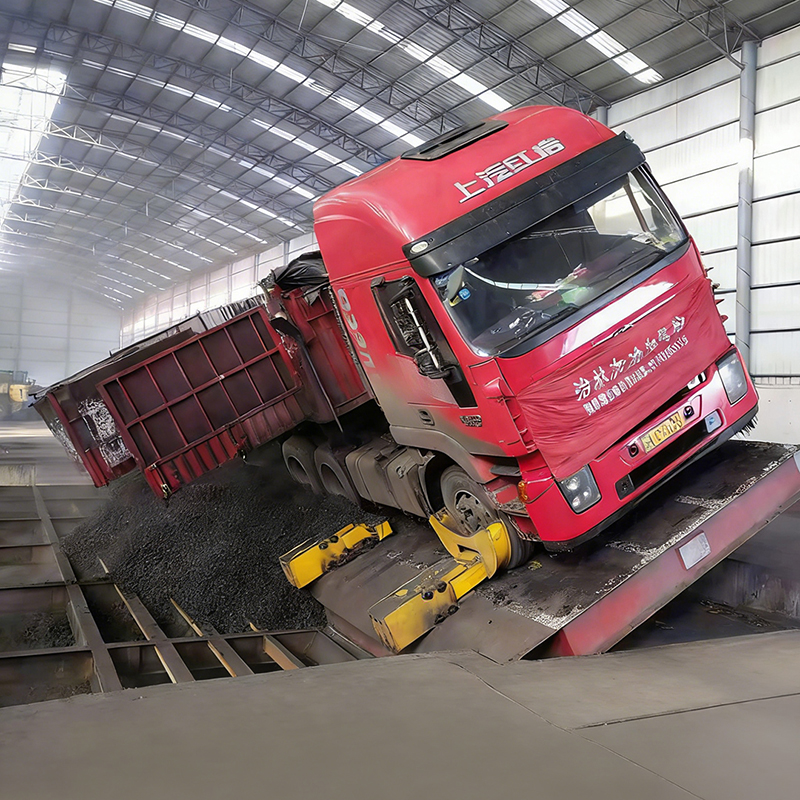
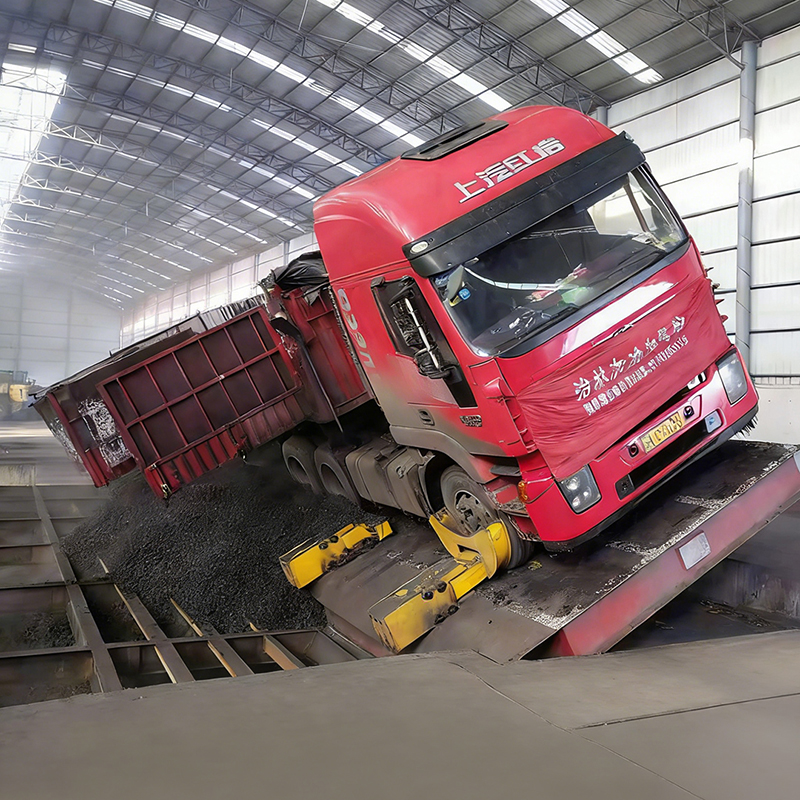
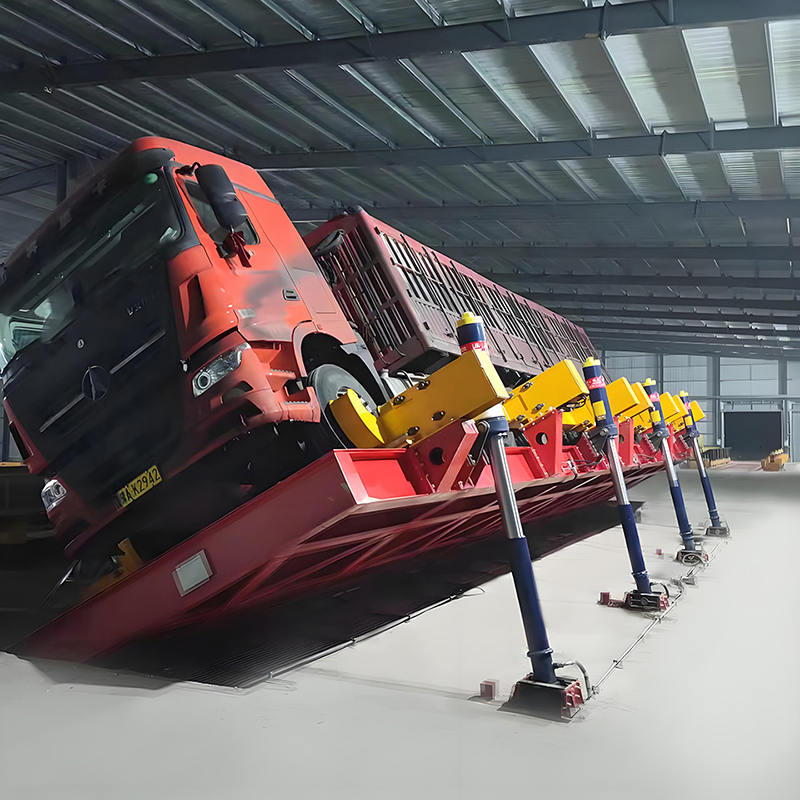
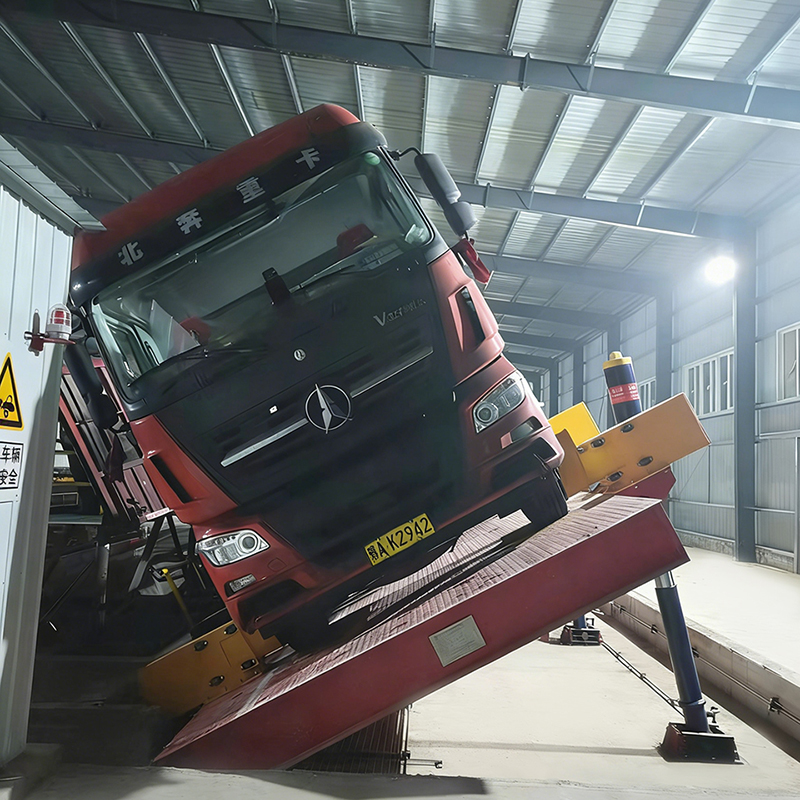
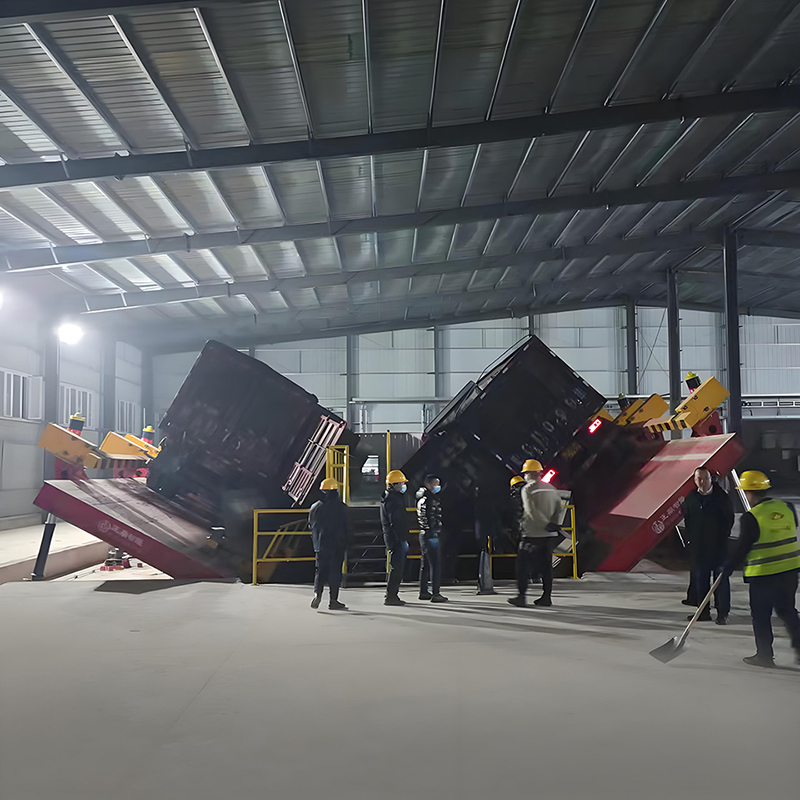
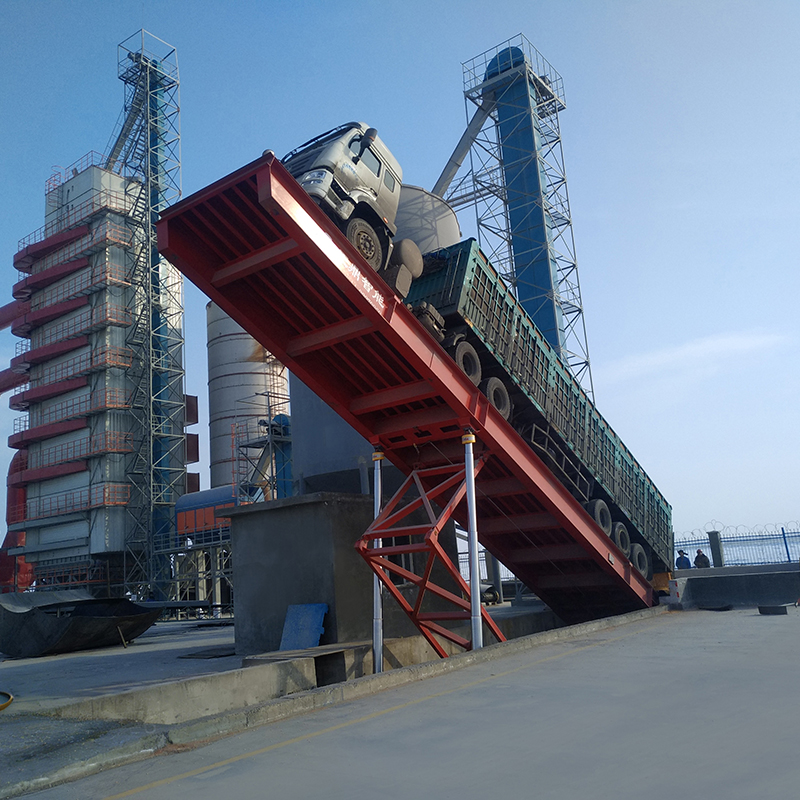
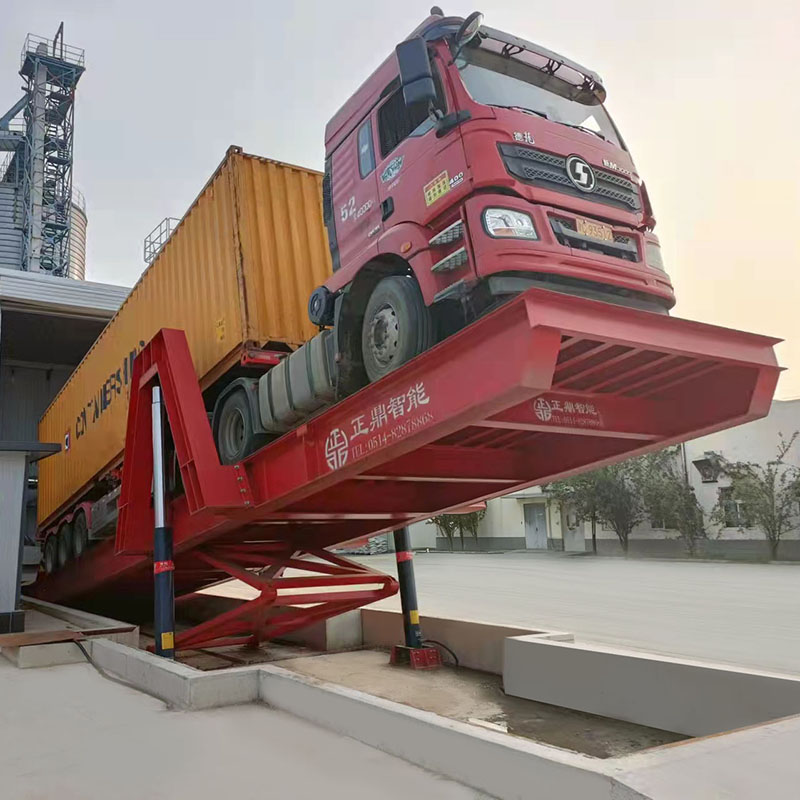
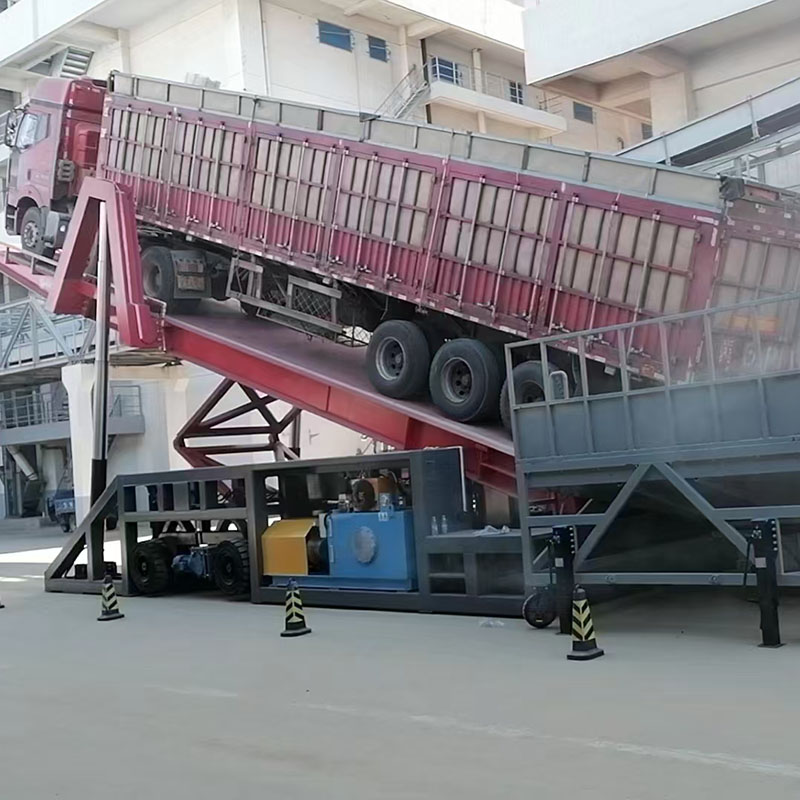
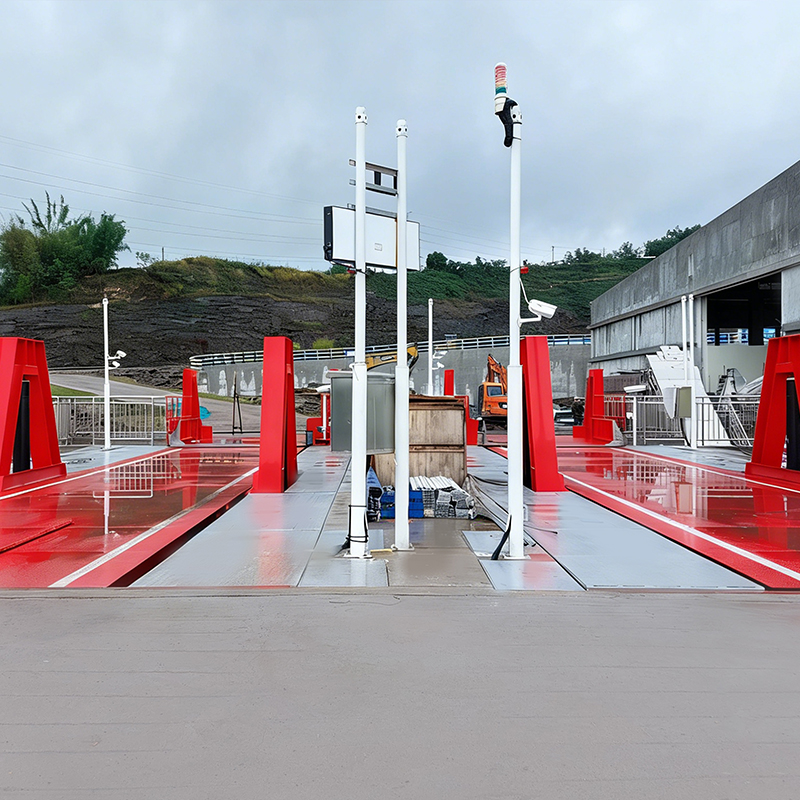
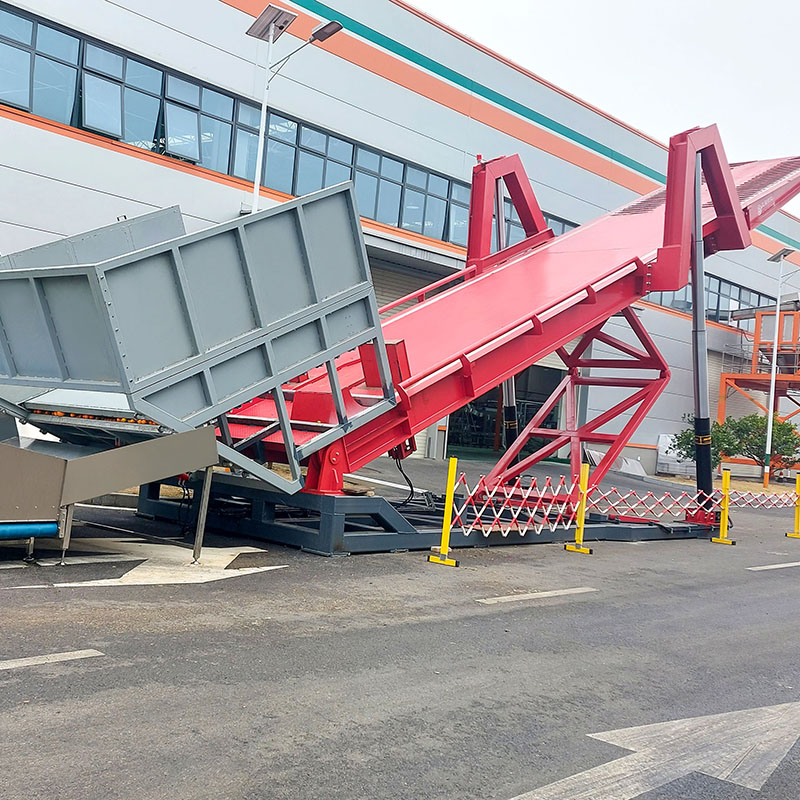
This Side-turn truck dumper is a piece of equipment designed for unloading bulk materials from standard heavy-duty trucks. It is specifically engineered for standard trucks carrying bulk materials such as coal, ore, grain, and cement, and is particularly adept at handling "difficult-to-unload" materials that are viscous or prone to caking (such as wet sticky coal and iron ore fines).

Side-Turn Truck Dumpers Factory
Product Features
1. Semi-automatic Design: Requires manual suspension of safety devices.
2. Dual Tilting Modes: Provides both 45° (standard) and 55° (large angle) tilting modes. The latter can unload materials with poor fluidity, such as iron ore fines and wet sticky coal.
3. Modular Optional Configurations:
(1) Vibration Device: Can be configured to assist in unloading materials caked at the bottom of the vehicle and to clear materials with poor fluidity from the vehicle bed.
(2) Operation Passage: Can be configured and installed to facilitate personnel access to the equipment for safety inspections and daily maintenance.
(3) Material Guiding Device: Can be configured to prevent materials from falling into the platform, which causes cleanup difficulties.
Applicable Industries
Thermal power plants, ports and terminals, iron and steel metallurgical enterprises, cement plants, grain processing and storage bases, etc.
P10
Main Technical Parameters
|
Model |
Size L*W/M |
Maximum lifting weight/T |
Maximum lifting angle |
|
TQXCB 80 |
16*3/18*3 |
80 |
45°/55° |
|
TQXCB 100 |
18*3/20*3 |
100 |
45°/55° |
|
TQXCB 150 |
18*3/20*3/22*3 |
150 |
45°/55° |
SEND MESSAGE
Message Feedback
About Us
Jiangsu Zhengding Intelligent Equipment Co., Ltd.
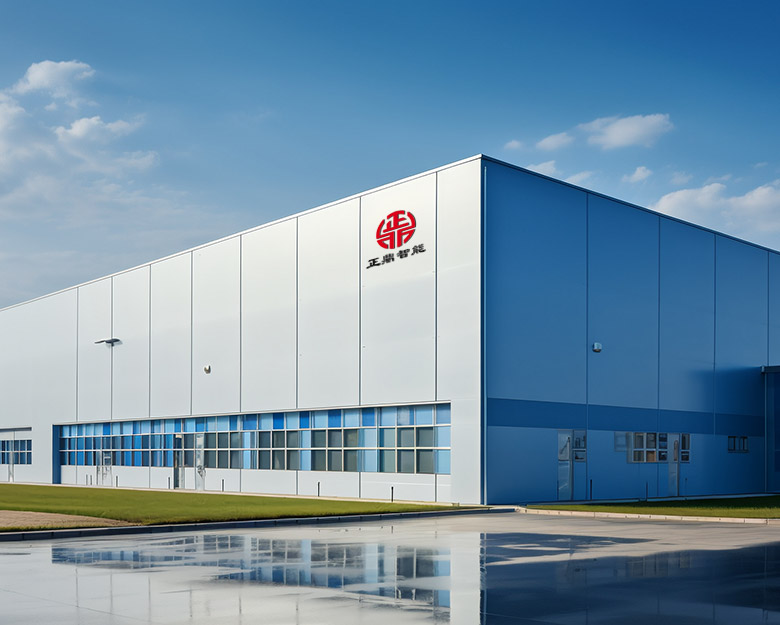
Jiangsu Zhengding Intelligent Equipment Co., Ltd. is a national high-tech enterprise mainly engaged in the research and development and manufacturing of intelligent logistics equipment. It can provide systematic solutions for the automatic loading and unloading of cars and containers for customers in different industries.
We are China Side-Turn Truck Dumpers Supplier and Custom Side-Turn Truck Dumpers Factory, the company wholeheartedly provides users with various types of automatic loading and unloading equipment such as rear dumpers, side dumpers, car loading equipment, container flippers, etc.; it is one of the companies with a relatively complete range of automatic loading and unloading equipment for cars and containers in China. The products are widely used in the steel, chemical, cement, coal, grain, oil and food industries, and are exported to Japan, Brazil, Egypt, Pakistan, India, the Middle East and Southeast Asian countries. Among them, the annual sales volume and technical performance of automatic loading and unloading equipment for cars are in the leading position in China. Typical international users include Budweiser, Heineken, Buhler Group, Wilmar International, Cargill, DuPont, Louis Dreyfuss, Charoen Pokphand Group, Saint-Gobain Group, etc.}
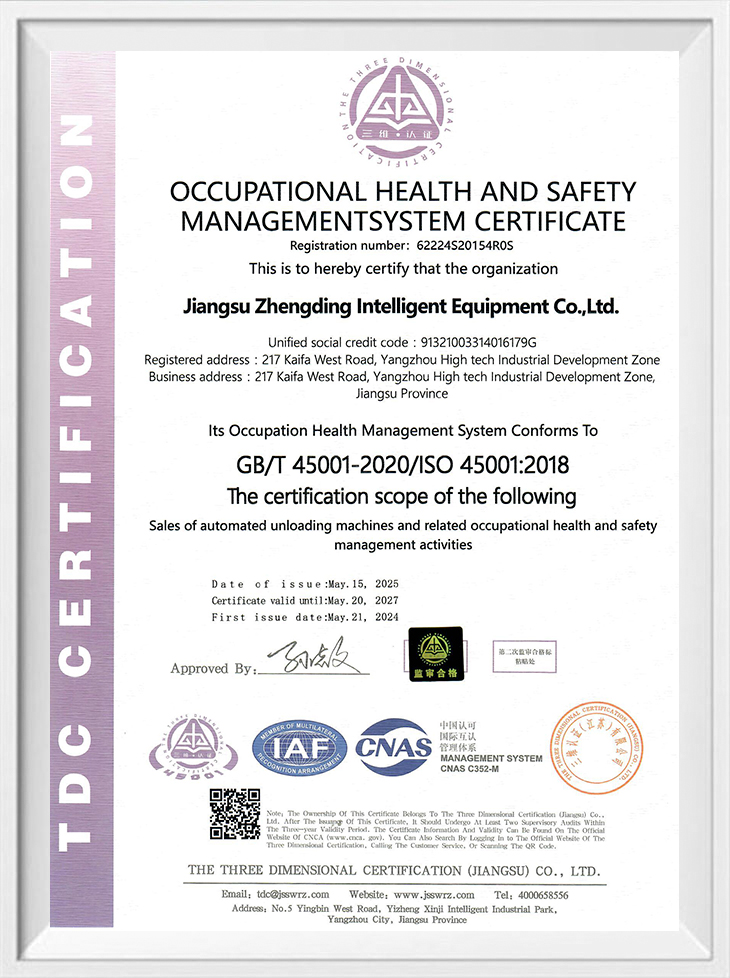
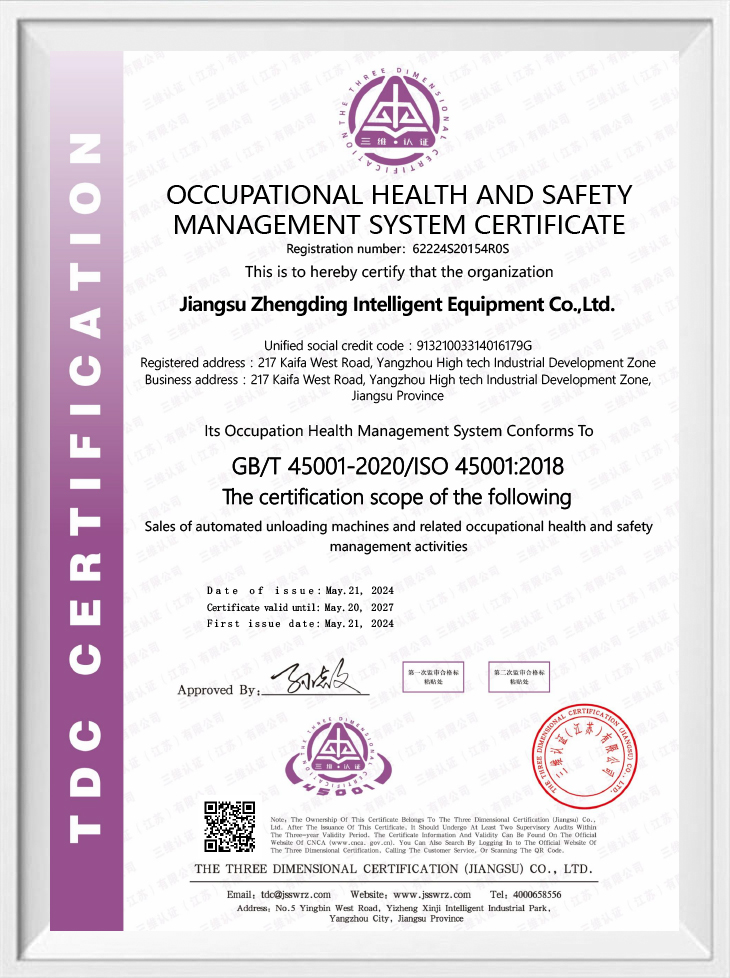
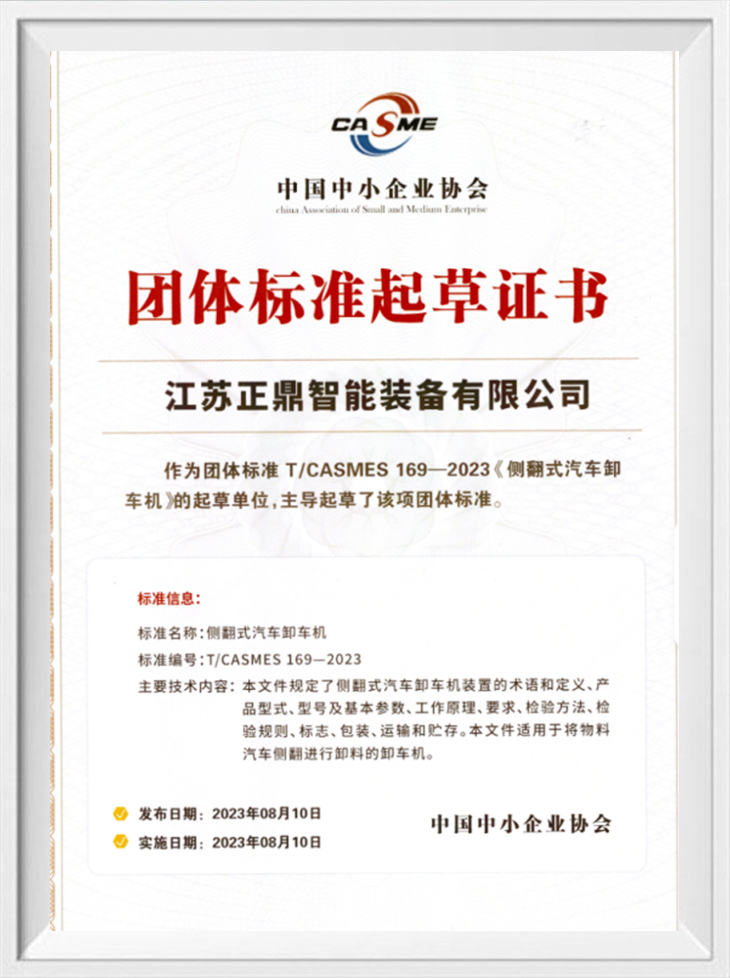
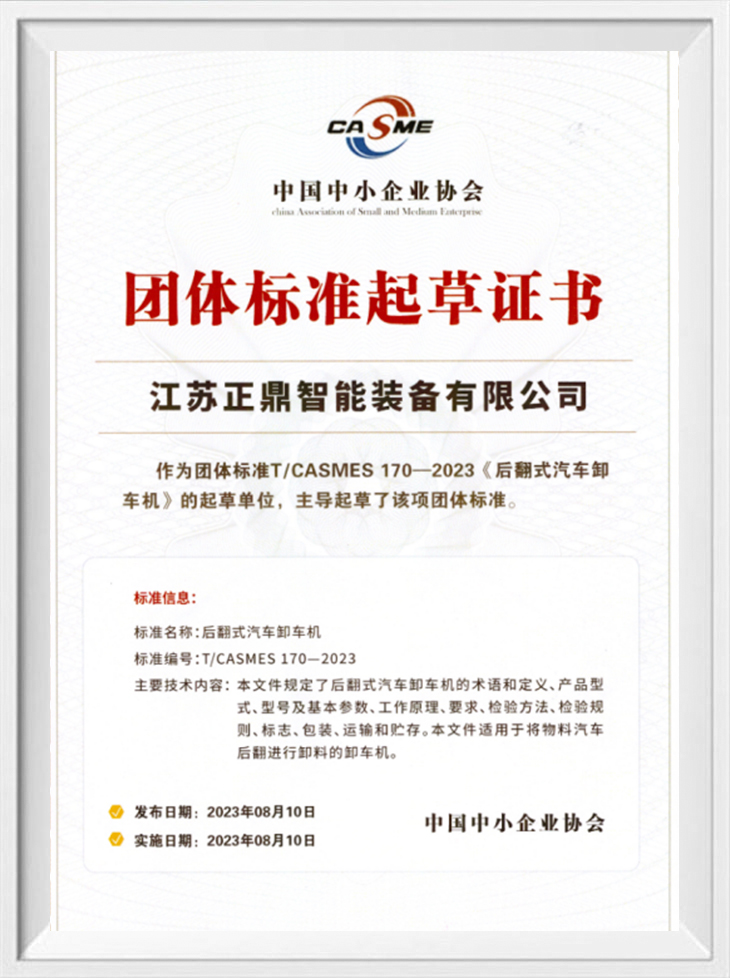
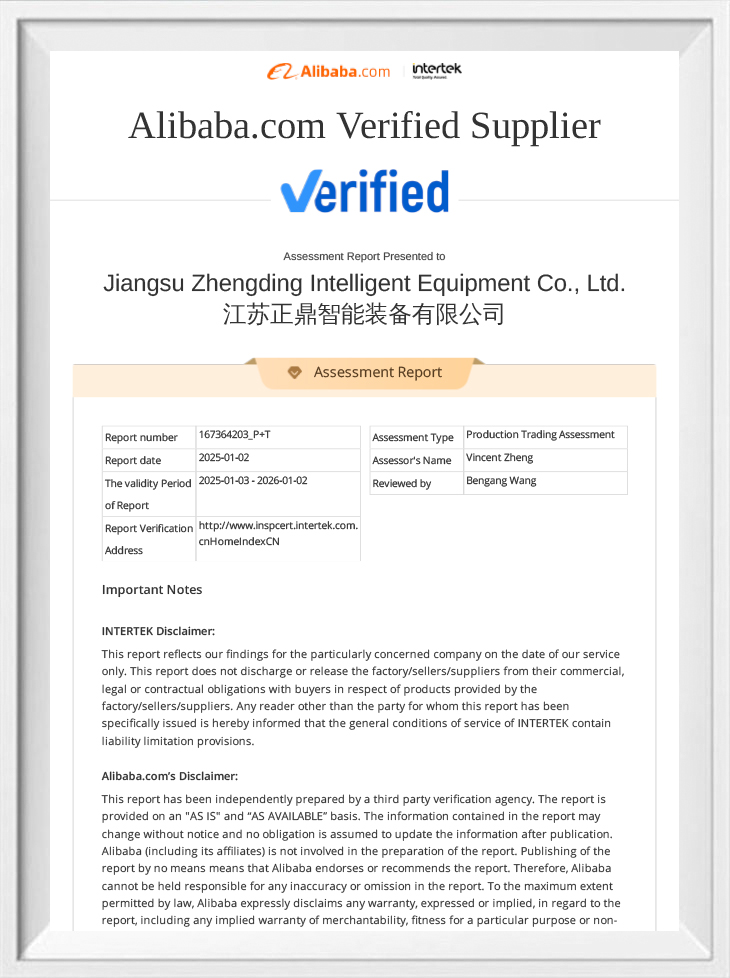
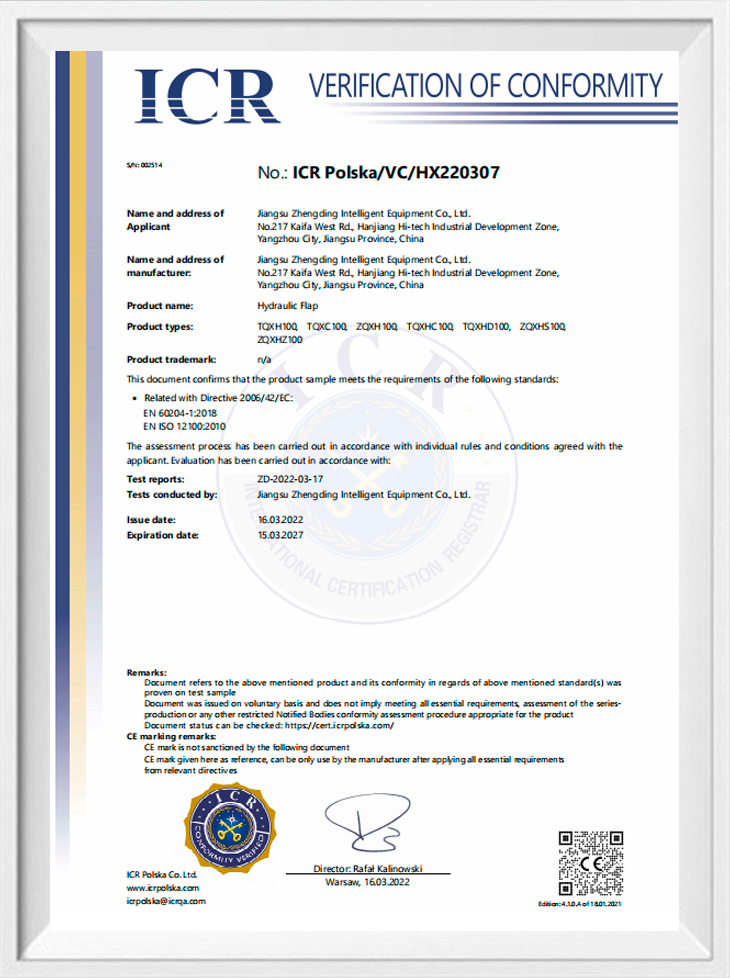
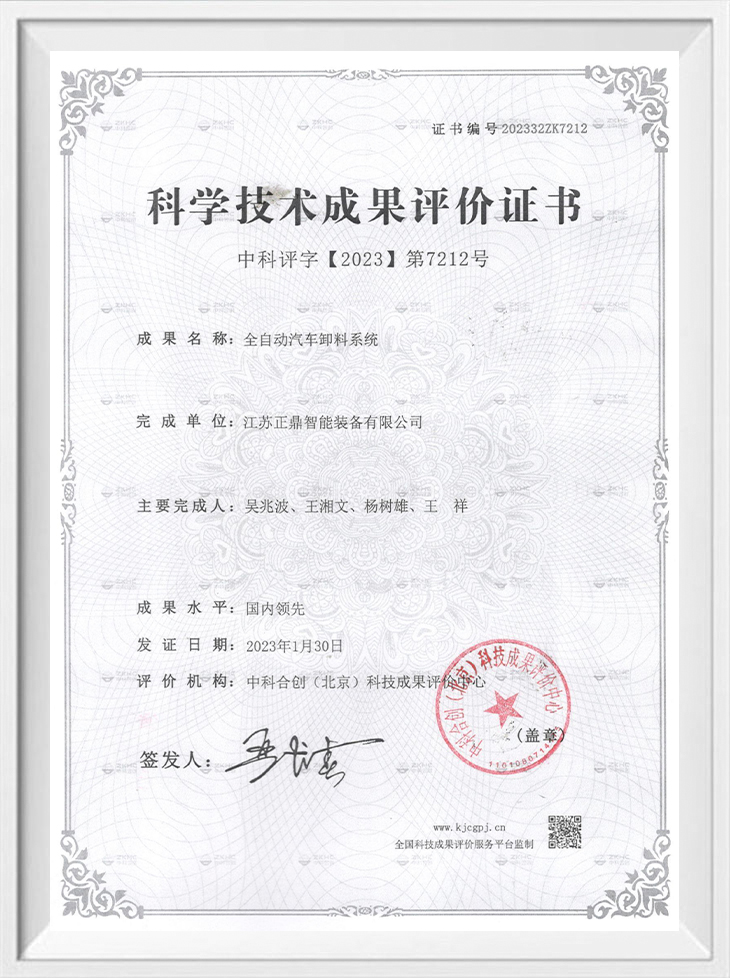
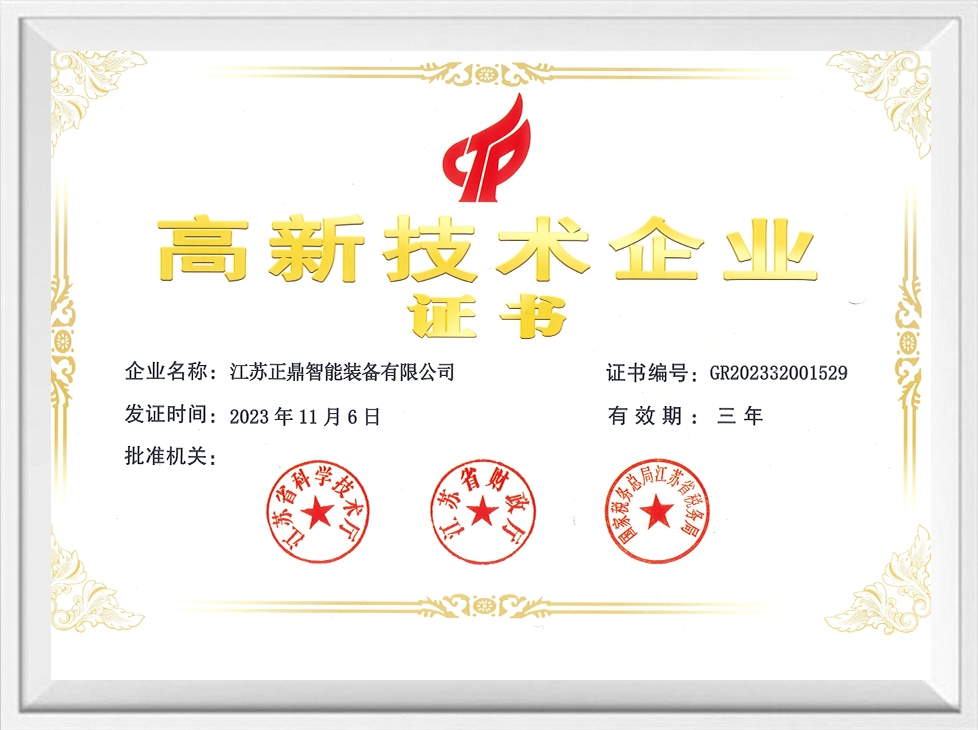
Certificate Of Honor
News
-
A feed mill that runs a grain intake line six days a week will push roughly 1,400 to 1,800 dump cycles through a single truck dumper in one quarter. Over those twelve weeks the hydraulic oil has been heated and cooled thousands of times, the pivot pins have carried the full weig...
READ MORE -
A ready-mix batching plant can have excellent mixers, accurate scales, and a modern control room, yet still lose output at the gate. The bottleneck is often material intake: aggregate trucks queue, cement tankers wait, and loader operators shuttle between stockpiles. For batchin...
READ MORE -
A 40-foot container of bagged resin arrives at 7:40 in the morning and the yard clock starts running. If two forklift operators need an hour and a half to strip that box by hand, one late arrival can push your inbound schedule into the night shift, and the demurrage bill follows...
READ MORE
Side-Turn Truck Dumpers Industry knowledge
1. Side-Turn Truck Dumpers Versus Traditional Rear Dumpers
Side-turn truck dumpers, also known as side tippers, discharge bulk material laterally by tilting the platform sideways at angles of 40 to 55 degrees. This contrasts with traditional rear dumpers that tilt backward, requiring significant length behind the unit. The side discharge configuration offers distinct advantages in space utilization, material flow control, and operational flexibility, particularly in facilities with constrained layouts or multiple discharge points.
Industry data from 2025 indicates that facilities switching from rear to side-turn dumpers achieve space savings of 35 to 50 percent for the same unloading capacity. Additionally, material spillage is reduced by approximately 40 to 60 percent due to better control over discharge trajectory.
(1) Key design differences
- Discharge direction – Side dumper: lateral; Rear dumper: longitudinal behind the unit.
- Facility footprint – Side dumper: requires width but minimal length; Rear dumper: requires extended length.
- Hopper positioning – Side dumper: hopper alongside; Rear dumper: hopper behind the platform.
- Truck maneuverability – Side dumper: straight line drive through; Rear dumper: requires backing or turning.
Example from operations: A cement plant with limited available length converted from rear dumpers to side-turn units and increased unloading capacity from 35 trucks per shift to 58 trucks per shift while using the same building footprint.
2. Space and Layout Efficiency Advantages
The most significant advantage of side-turn dumpers is their ability to operate in confined spaces where rear dumpers cannot be accommodated. A typical rear dumper installation requires 25 to 35 meters of length for the platform, approach, and exit. Side-turn installations require only 12 to 18 meters in length while needing additional width of 6 to 8 meters on the discharge side.
(2) Space requirement comparison – Horizontal bar chart
The space savings allow side-turn dumpers to be installed in existing buildings with limited length or in outdoor locations where real estate constraints exist. Some facilities have successfully installed side-turn units inside existing loading bays without extending the building structure.
(3) Truck maneuverability comparison – Flow diagram visualization
The simplified drive pattern of side-turn dumpers eliminates backing maneuvers and multiple repositioning attempts. This reduces truck cycle time by 20 to 30 seconds per vehicle and significantly lowers the risk of backing accidents.
3. Operational Efficiency and Material Flow Advantages
(4) Unloading efficiency trend – Line Chart
The line chart demonstrates typical productivity gains following conversion to side-turn dumpers. Facilities commonly achieve 60 to 70 percent higher throughput within 10 months, as operators become proficient with the simpler drive pattern and reduced cycle times.
(5) Material spillage comparison – Gauge chart visualization
(6) Comparative radar – Side-Turn versus Rear Dumper
The radar chart highlights that side-turn dumpers excel in space efficiency, material containment, and truck maneuverability. The most substantial improvements are typically seen in facilities with constrained layouts where rear dumpers cannot be optimally positioned.
(7) Comparative advantages table
| Attribute | Traditional Rear Dumper | Side-Turn Dumper | Advantage Summary |
|---|---|---|---|
| Required site length | 40 to 50 meters | 18 to 25 meters | 50 to 60 percent less length |
| Truck entry/exit method | Back-in, forward exit | Straight drive through | Simpler maneuver |
| Material spillage rate | 2.5 to 3.5 percent | 1.0 to 1.5 percent | 50 to 60 percent less spillage |
| Hopper positioning flexibility | Limited to end of platform | Along entire side | Multiple discharge options |
The table summarizes the key performance differences. Side-turn dumpers consistently deliver better space utilization, simpler truck maneuvers, and lower material spillage, making them particularly suitable for facilities with length constraints or multiple discharge points.
4. Side-Turn Dumper Solutions from Jiangsu Zhengding Intelligent Equipment
Jiangsu Zhengding Intelligent Equipment Co., Ltd. is a national high-tech enterprise mainly engaged in the research and development and manufacturing of intelligent logistics equipment. It can provide systematic solutions for the automatic loading and unloading of cars and containers for customers in different industries.
The company wholeheartedly provides users with various types of automatic loading and unloading equipment such as rear dumpers, side dumpers, car loading equipment, container flippers, etc. It is one of the companies with a relatively complete range of automatic loading and unloading equipment for cars and containers in China. The products are widely used in the steel, chemical, cement, coal, grain, oil and food industries, and are exported to Japan, Brazil, Egypt, Pakistan, India, the Middle East and Southeast Asian countries. Among them, the annual sales volume and technical performance of automatic loading and unloading equipment for cars are in the leading position in China. Typical international users include Budweiser, Heineken, Buhler Group, Wilmar International, Cargill, DuPont, Louis Dreyfuss, Charoen Pokphand Group, Saint-Gobain Group, etc.
Zhengding's side-turn truck dumpers feature low profile platforms, optimized hydraulic systems, and modular designs that accommodate various truck sizes and discharge heights. The company's engineering team provides site assessment to determine optimal dumper configuration based on available space and material flow requirements.
5. Frequently Asked Questions
Q1: Can side-turn dumpers handle all truck types equally well?
A1: Side-turn dumpers accommodate most rigid frame trucks and tipper trailers with gross vehicle weights up to 80 metric tons. However, articulated vehicles with fixed sideboards may require additional spacing considerations. The platform width can be customized to match specific truck dimensions, typically ranging from 2.5 to 3.5 meters.
Q2: What is the typical maintenance difference between side-turn and rear dumpers?
A2: Side-turn dumpers generally have comparable or fewer moving parts than rear dumpers. The hydraulic cylinder arrangement is similar, but side-turn units often have easier access to wear components because the mechanism is located at platform level rather than underneath. Annual maintenance typically requires 40 to 60 hours for both types.
Q3: Can side-turn dumpers be installed outdoors without a building enclosure?
A3: Yes, side-turn dumpers are designed for outdoor installation with appropriate weather protection for hydraulic power units and control panels. The platform and hydraulic components are manufactured with corrosion resistant coatings. Outdoor installations typically include wind speed monitoring and automatic shutdown features for operator safety during adverse weather conditions.

RESEARCH AND DEVELOPMENT, MANUFACTURING AND SALES OF VARIOUS
AUTOMATED LOADING AND UNLOADING EQUIPMENT FOR AUTOMOBILES, CONTAINERS, SHIPS, ETC.
-
 CONTACT NUMBER
+86-13588556918
-
 ADDRESS
217 Kaifa West Road, Hanjiang District, Yangzhou City, Jiangsu Province China
-
 SAY HELLO
cnwzb@163.com
COMPANY
MOBILE TERMINAL
Copyright @ Jiangsu Zhengding Intelligent Equipment Co., Ltd. All Rights Reserved.
 China Side-Turn Truck Dumpers Supplier
Custom Side-Turn Truck Dumpers Factory
China Side-Turn Truck Dumpers Supplier
Custom Side-Turn Truck Dumpers Factory