

 English
 русский
 Español
 Français
 Português
 عربى



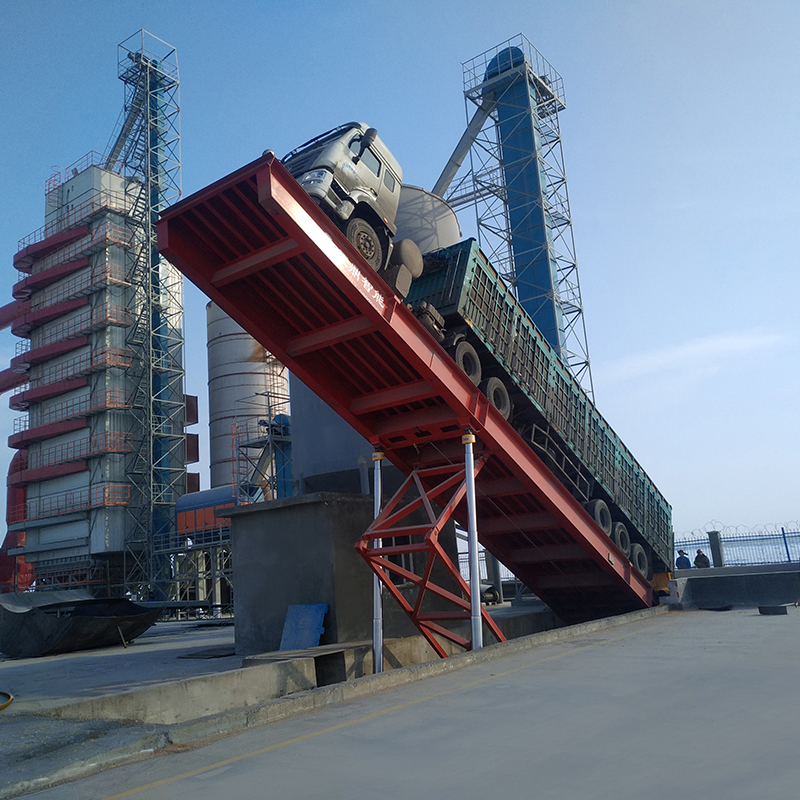
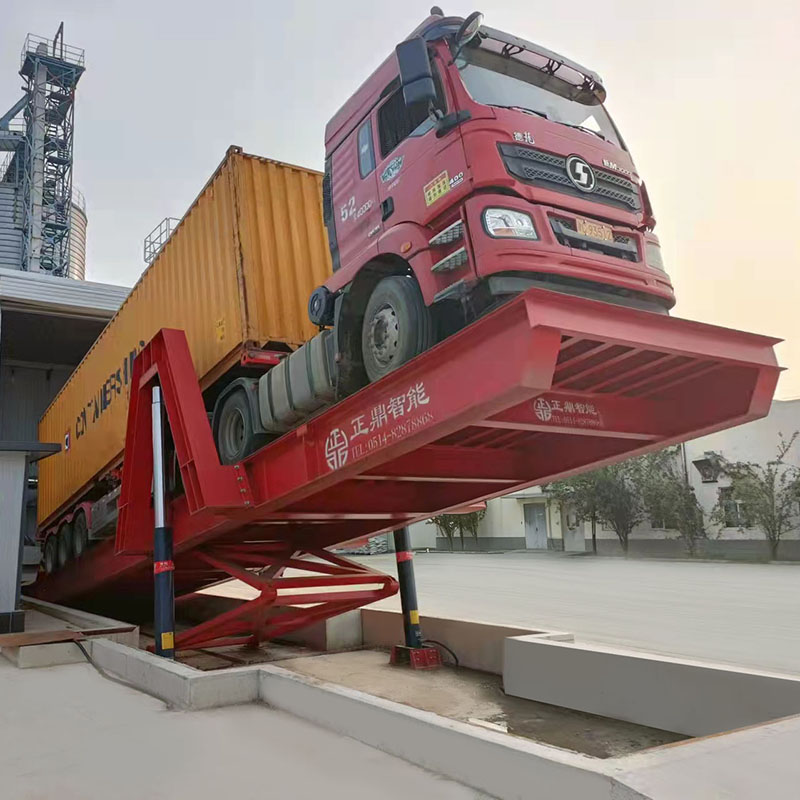
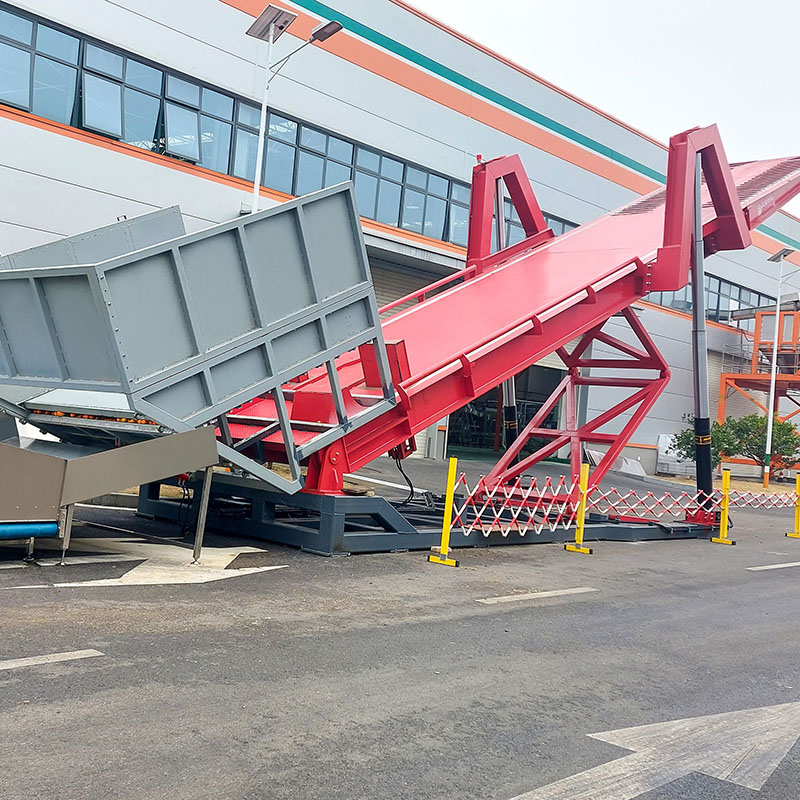
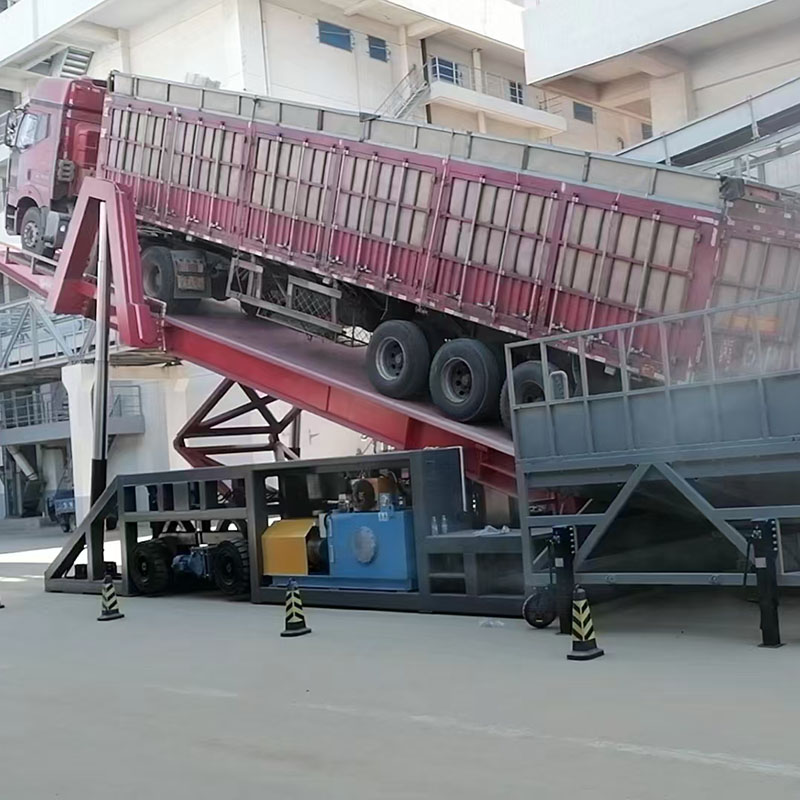

+86-13588556918
Content
- 1 What Is a Heavy Duty Dump Truck?
- 2 Heavy Duty Dump Truck Types and Configurations
- 3 What Really Determines Payload: Capacity Ratings and Axle Rules
- 4 Unloading Efficiency: What Happens After the Truck Stops
- 5 Where Heavy Duty Dump Trucks and Truck Dumpers Are Used
- 6 Maintenance and Safety for Trucks and Unloading Equipment
- 7 How to Buy: A Practical Checklist for Fleets and Plant Owners
- 8 Heavy Duty Dump Truck FAQ
- 8.1 What counts as a heavy duty dump truck?
- 8.2 How many tons can a heavy duty dump truck carry?
- 8.3 What is the difference between an end dump and a side dump?
- 8.4 Can a heavy duty dump truck unload through a truck dumper instead of its own hoist?
- 8.5 How long does it take to unload with a truck dumper?
- 8.6 What maintenance does a dump truck hoist need?
- 9 A Balanced View: Truck, Site and Unloading System Together
A dispatch manager at a crushed stone plant watches the same bottleneck every morning: loaded tri-axle dump trucks queue beside a single receiving hopper, and each driver waits several minutes as the truck ahead raises its dump body, holds the angle while the material slides off, then lowers and pulls away. Multiply that sequence by forty loads a day and the queue silently swallows nearly three productive hours. At a grain terminal nearby, the same story plays out with a different cast: heavy duty dump trucks arrive from farms on time, but the real delay begins only after the truck stops at the unloading station.
These two scenes explain why the topic of a heavy duty dump truck is never only a vehicle search. In bulk material logistics, the truck is half of the unloading equation; the receiving infrastructure decides whether a 25-ton load becomes a three-hour queue or a four-minute turnaround. This guide reviews heavy duty dump trucks from a buyer's point of view: what qualifies as heavy duty, how types and capacities differ, what legal and structural limits apply, and how fixed unloading equipment such as industrial truck dumpers convert a parked truck back into a working asset.
The emphasis is practical selection. The sections below cover axle configurations, real payload figures, body and hoist design, route and site constraints, maintenance routines, and safety at the unloading point. Because most fleets buy the truck and the unloading equipment separately, this guide also explains how to plan both sides of the receiving line in parallel so the vehicle and the plant do not fight each other.
What Is a Heavy Duty Dump Truck?
A heavy duty dump truck is a purpose-built vehicle that hauls loose bulk material and unloads it by raising a hydraulically operated body until the contents slide, pour, or fall out the rear, and in some designs out the side. The heavy duty label is not a marketing phrase but a class boundary. In North American standards, vocational vehicles fall into Class 7 and Class 8 when gross vehicle weight rating exceeds 26,000 lb, and heavy duty dump trucks are almost always in Class 8 territory above 33,000 lb. In European and Asian markets, the same work is performed by trucks with gross weights of 18 to 32 tonnes and above, often configured with twin-steer or multi-axle layouts.
Class is only a starting point. A heavy duty dump truck differs from a light tipper in several measurable ways: frame rails made of high-strength alloy steel, reinforced suspension brackets, a heavy duty transmission with a power take-off drive for the hydraulic pump, oversized brake components, and a dump body built from abrasion-resistant steel plate. The body itself is usually 6 to 8 mm thick in the floor and 4 to 6 mm in the sides, with wear strips and a rugged tailgate. These details determine whether the truck survives daily loading by excavator buckets, not just an occasional load of sand.
Because the vehicle carries its own unloading mechanism, the hydraulic system deserves attention. Most heavy duty dump trucks use a front-mounted telescopic cylinder or an underbody scissor hoist. A telescopic cylinder gives high lifting capacity and low maintenance, while a scissor hoist keeps the centre of gravity lower and is common on lighter or shorter bodies. The system also includes a heavy duty hydraulic pump, control valve, tank, and pipes, all sized for repeated duty cycles in dusty environments. If the hydraulic system is undersized, the body will creep down during a dump or fail to reach its rated angle on cold days, which forces drivers to wait or to bump the body against the limit.
In practice, heavy duty dump trucks handle a wide variety of materials: crushed rock, gravel, sand, cement, coal, grain, spent grain, salt, and demolition waste. What makes them heavy duty is the combination of legal gross weight, structural margin, and daily usage intensity, rather than a single specification. A contractor working in city streets and a mine operator working on private haul roads face different constraints, but both insist on the same fundamentals: reliable hoist hydraulics, resistant body steel, and predictable brake behaviour.
- GVWR above 33,000 lb or approximately 15 tonnes is the common North American heavy duty threshold.
- Payload is the difference between GVWR and curb weight; a 40,000 lb truck may legally carry only about 20,000 lb of material after the driver, fuel, and equipment are counted.
- The dump body must be selected for both tonnage and material density, because volume limits can bind before weight limits do.
- The hoist system, tailgate latch, and safety prop must be inspected as part of an operational cycle, not once a season.
In simple terms, a heavy duty dump truck is a steel-framed tool designed to carry maximum legal weight in loose material and unload it under controlled hydraulic pressure, day after day.
Heavy Duty Dump Truck Types and Configurations
Manufacturers and fleets use the same name for very different machines. Knowing which configuration fits a site is essential because the axle layout dictates legal payload, the body design dictates how the load discharges, and the suspension dictates how the truck behaves on poor haul roads. The table below summarizes the main configurations buyers encounter when shopping for heavy duty dump trucks.
| Configuration | Axle layout | Typical payload (tons) | Best suited for |
|---|---|---|---|
| Standard straight dump truck | 2-axle or 6x4 | 10–15 | Municipal work, small construction sites, local aggregate hauling |
| Tri-axle / multi-axle straight truck | 3 axles, sometimes 8x4 | 18–25 | Road construction, heavier aggregate volumes, plant-to-site delivery |
| Super dump with trailing axle | 6x4 plus liftable tag axle | 20–28 | Maximizing legal payload on highways with a single straight chassis |
| Transfer dump truck | Straight truck plus pup trailer | 22–32 | Long highway runs combined with tight job-site dumping in one unit |
| Semi-trailer end dump | Tractor with tandem or tri-axle trailer | 25–35 | Long-distance bulk hauling, high-volume aggregate and grain logistics |
| Bottom dump trailer | Trailer with belly gates | 25–35 | Windrowing material on highways, paving support, controlled discharge |
| Side dump truck | Straight or semi layout, one-side tipping body | 15–25 | Embankment work, narrow rights-of-way, unstable ground where end-dump is hard |
| Articulated hauler | 6x6 articulating frame | 30–45 | Quarries, earthworks, haul roads, off-highway applications |
| Rigid-frame haul truck | 2-axle off-highway design | 100–400+ | Large open-pit mines and mega quarries |
The most common choice in commercial fleets remains the straight dump truck with a tandem rear axle. It combines reasonable payload, moderate purchase cost, and the ability to turn around in confined spaces. When a fleet moves to a tri-axle or an 8x4 configuration, the suspension and frame must be matched to the higher body weight; otherwise the additional axle simply adds empty weight without adding payload, and the driver gains nothing except a harsher ride and higher tyre bills.
Transfer dump trucks deserve special mention because they solve a frequent routing dilemma. A tractor-trailer end dump has high payload but often cannot enter a municipal site or a soft shoulder. A transfer dump pulls a pup trailer on the highway, then at the site the pup's load is shifted into the lead body, so the combination can dump at a spot that would otherwise require a second and smaller truck. This flexibility costs money in extra empty weight and mechanical complexity, but for contractors who split time between highway and rough sites it is a proven formula.
Side dump trucks are chosen in regions with steep terrain or strong winds. The body tilts to one side through a pair of hydraulic cylinders, and the driver controls the discharge along the route rather than in one fixed position. Side dumping is also useful when load clearance above the cab is limited, although the tilted body raises the centre of gravity, so ground slope and wind speed must be monitored closely. Some operators prefer side dumps because the truck does not need to back up to a stockpile edge; it simply drives parallel to the discharge line and drops the load evenly.
Off-highway articulated haulers and rigid-frame trucks are technically dump trucks as well, but their payloads are defined by machine design rather than road law. A 40-ton articulated hauler may carry more than a legal tri-axle, but it cannot use the public road system. For a plant seeking to replace road fleet operations with an internal haul solution, this distinction changes the whole calculation of permits, insurance, and route planning. In mixed operations, many companies run legal on-road dump trucks from the quarry face to a stockyard, then use wheel loaders and conveyors for internal movement, which is usually cheaper than keeping a fleet of haulers on site.
Choose the axle configuration first, because it fixes the legal payload ceiling; then match the body volume and hoist to your densest material.
What Really Determines Payload: Capacity Ratings and Axle Rules
Payload is calculated, not printed on the door. The legal payload of any heavy duty dump truck equals its GVWR minus its curb weight, minus the weight of the driver, fuel, and any equipment mounted on the chassis. A typical tandem straight truck with a GVWR of 40,000 lb and a curb weight of 18,000 lb leaves about 22,000 lb or 11 tons of payload before other allowances. The same chassis can feel completely different once a 14-cubic-yard body and a heavy hoist are installed, which is why fleets should always ask the upfitter for a certified weight sheet.
Volume is the second half of the capacity equation. Loose materials have very different densities: dry sand weighs about 2,700 lb per bank cubic yard, crushed limestone about 2,500 lb, coal about 1,300 to 1,800 lb, and wood chips as little as 300 lb. A body that is perfectly sized for 20 tons of sand will be overweight when filled with dense ore, and half-empty when filled with grain. For this reason, manufacturers express dump body capacity in both cubic yards and tons, and buyers should always name the target material when requesting a quote.
Legal axle rules influence layout just as strongly as body design. On U.S. interstates, the federal gross vehicle weight limit is 80,000 lb, with 34,000 lb per tandem axle group and 20,000 lb for a single axle; many states add complexity through bridge formulas that spread weight across axles. In the European Union, the general limit for a five- or six-axle combination is 40 to 44 tonnes, and permits are needed for non-standard dimensions. A well-specified heavy duty dump truck is engineered so that its loaded axles stay within these numbers, which is exactly why super dumps with liftable trailing axles were invented in the first place.
For buyers, three documents matter: the chassis manufacturer's GVWR plate, the upfitter's body and hoist certificate, and the final vehicle weighing certificate from a certified scale. The first tells you the legal ceiling; the second tells you what was installed; the third tells you the real curb weight. If these documents do not agree, the truck will either carry less than planned or create compliance problems at a random weigh station. A discrepancy between the sticker and reality is one of the most common causes of overweight fines in aggregate fleets.
Understanding payload also helps compare offers. A supplier may quote a 25-ton dump truck when the chassis plate allows only 21 tons of legal payload once the body is installed. Comparing payload ratings without looking at the body volume, tailgate height, and hoist capacity usually leads to an over-specified chassis or an under-built body, both of which cost money in the first year of operation.
Payload is the first number most buyers ask for, but it only makes sense when compared across configurations. The spread between a lightweight 6x4 straight truck and an off-highway articulated hauler is wide enough to change fleet economics entirely. A standard straight truck may legally move 12 tons per load, while a semi end dump can often carry 25 tons on the same route. In quarries and mines, off-highway trucks routinely carry 40 tons or more because they are not limited by highway bridge laws. The chart below shows typical payload ranges for the most common heavy duty dump truck classes, using practical ratings rather than theoretical maximums.
Typical Payload Range by Heavy Duty Dump Truck Class (tons per load)
Rigid-frame mining trucks are excluded because their payloads exceed 200 tons and would erase the differences between road classes.
The clearest pattern in the chart is the jump from straight trucks to tractor-trailer combinations. Standard straight trucks cluster between 10 and 15 tons, which explains their dominance in municipal and local construction fleets: quick setup, low licensing cost, and strong maneuverability on crowded roads. Tri-axle and multi-axle variants add roughly 5 to 10 tons of payload, but every added axle consumes a portion of the gross weight allowance through its own unladen mass. Super dump configurations with liftable trailing axles push straight-truck payloads toward 28 tons, at the cost of an extra axle that must be lowered briefly at weigh stations. Transfer dump trucks combine a legal highway trailer with the ability to concentrate the whole load into the lead body when a site cannot accept a full combination. Semi end dumps are the workhorses of intercity aggregate hauling because they pair legal highway speed with high body volume and fast rear discharge.
Bottom dumps carry the same gross weight as end dumps, but their discharge style fits windrowing and paving operations better than hopper tipping. Side dumps tend to be chosen in mountainous and windy regions where end-to-end tipping clearance is limited, although drivers must respect a higher centre of gravity while the body is raised. Articulated haulers sit in a completely different legal category: their payload is limited by tyre and frame ratings, not by road law. The practical lesson is that ordering a 20-ton dump truck without stating material density often produces the wrong body volume. A body sized for 20 tons of gravel will be too heavy when loaded to the brim with lightweight aggregate, yet too small to hold 20 tons of coal. Therefore, payload planning should start with the densest material you expect to carry, and the body volume should then be checked against the lightest material.
Always compare the legal payload plate, the certified curb weight, and the body volume against your actual material range; the chart is a guide, but your materials define the specification.
Unloading Efficiency: What Happens After the Truck Stops
Once a heavy duty dump truck arrives at the plant, unloading speed determines whether the fleet cycle is measured in hours or minutes. A conventional self-dump sequence requires the driver to find a level spot, set the parking brake, release the tailgate, raise the body, hold the angle while the material slides, and then repeat the steps in reverse. On a good day the sequence takes three to five minutes; on a wet clay day it can take fifteen. When the receiving point is a covered hopper or a dust-controlled line, a worker has to stand at the pit, inspect each load, and coordinate with the driver by radio. That is where industrial truck dumpers take over.
A truck dumper is a machine with its own raised platform, rated for a specific gross weight, that takes the vehicle through the tilting motion while the vehicle engine and hoist remain off. The truck drives onto the platform, wheel chocks and clamps engage, the platform rises at one end or tilts to the side, and the material slides out under gravity into a hopper, a conveyor feed, or a storage bay. The complete cycle, including positioning, commonly runs four to six minutes, with no manual shovel work and no driver climbing onto the body. For plants receiving dozens of loads per day, that consistency is worth more than the speed of any single dump.
The Main Types of Truck Dumpers for Heavy Duty Fleets
- Rear-flip (back tilting) dumpers are the most common; the platform tilts the truck so the material discharges through the rear into a hopper or pit.
- Side-turn dumpers tilt the whole vehicle sideways, preferred for tall bodies, long materials, and sites where rear clearance is limited.
- Pit-type dumpers place the platform over a deep concrete pit; pitless and shallow-foundation designs reduce civil works dramatically.
- Mobile dumpers are mounted on wheels or skids and can be moved from one receiving point to another as the stockpile shifts.
- Enclosed dumpers with dust control are specified for cement, lime, coal, and food powders where environmental and hygiene rules apply.
- Unattended dumpers with integrated weighing systems read truck identification, record gross and net weights, and cycle automatically.
For a heavy duty dump truck operation, the rear-flip platform is the natural starting point because it matches the rear-discharge geometry of standard straight trucks and tractor-trailers. The truck's own hoist can be left down, reducing wear on cylinders and hoses, and the material falls cleanly into a fixed hopper without the truck reversing up a ramp. This is exactly the application that the truck dumper range was designed for in many bulk handling plants, where the platform is rated to accept the gross weight of the largest legal vehicle on the fleet.
 Heavy-Duty Rear-Flip Truck Dumper with Mechanical SynchronizationThis rear-flip truck dumper is designed for standard rear-discharge trucks, using a rigid mechanical synchronization system for reliable lifting. It suits bulk plants needing stable, low-maintenance unloading of cohesive materials.View Product →
When the material is cohesive, the body is long, or the receiving point is a side conveyor, a side-turn unit offers a stable alternative. Because the platform supports the truck through the entire tilting motion, the vehicle's centre of gravity stays much lower than it would be with the truck body raised to 60 degrees on soft ground. Side-turn dumpers also suit trucks with high side walls or long loads such as scrap bundles, which need lateral space rather than a tall rear clearance.
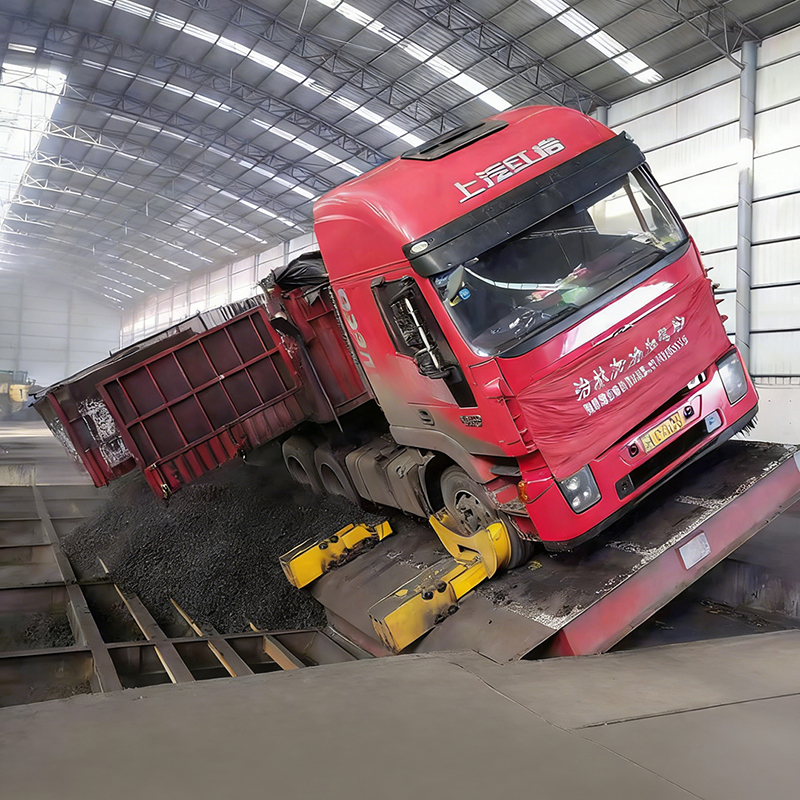 Side-Turn Truck Dumper with Dual Tilting Modes for Difficult MaterialsOffering 45° and 55° tilt angles, this side-turn dumper handles cohesive, caked materials like wet sticky coal or iron ore fines. Options include vibration assistance and material guiding to improve unloading efficiency.View Product →
High-throughput facilities rarely want an operator standing at the dumper all shift. An unattended system with a built-in weighbridge identifies the truck, communicates with the plant control room, lifts the platform, records the net weight, and restores the platform in a preset sequence. This arrangement integrates directly with inventory software and removes the human tendency to rush a dump before the material has fully cleared the body. Grain terminals and steel plants use such systems to process trucks around the clock without adding labour.
 Unattended Truck Dumper with Integrated Weighing and Automatic OperationThis system combines automatic unloading with precise weighing, eliminating manual oversight. It integrates with plant control and is ideal for high-throughput sites requiring continuous, hands-free truck processing.View Product →
| Parameter | Typical range |
|---|---|
| Rated gross vehicle weight | 60–120 tons |
| Platform length | 15–22 metres |
| Maximum tilting angle | 45–65 degrees |
| Single unloading cycle | 2–5 minutes plus positioning time |
| Foundation type | Pit, shallow foundation, or pitless |
| Optional automation | Weighing, truck ID, dust suppression, remote control |
| Safety equipment | Wheel chocks, anti-fall latch, synchronised cylinders |
Truck dumpers also solve gentle-handling problems that worry food producers. In one food application, a dumper unloads oranges: the platform raises slowly, and the fruit first rolls into a buffer hopper, then drops onto a conveyor from a low height instead of falling straight from a high body. The buffer hopper absorbs the impact, so damage rates stay low even though the truck is a standard heavy duty model. The same principle applies to sugar beets, potatoes, malt, and any agricultural material where bruising reduces the selling price.
Safety is another reason plants move away from relying on the truck hoist at every load. A truck dumper keeps the chassis on a solid platform, uses wheel chocks and floor locking systems, and raises the vehicle with synchronised cylinders that hold the platform level in both axes. The driver is usually outside the cab during the cycle, and interlocks prevent accidental movement. These features reduce the two most common dump-related incidents: tipping on uneven ground and being struck by a falling load. In a fleet context, that means fewer workers' compensation claims and less unplanned downtime.
When a pit-type dumper fits
|
When a pitless or shallow foundation fits
|
Before specifying any dumper, confirm the GVWR of the heaviest truck in the fleet. If the dumper platform is rated for 80 tons, a fully loaded tri-axle at 74,000 lb gross is within the envelope, but a heavier mining unit may exceed it and must be handled another way. Matching the dumper rating to the fleet's real gross weight, not to the average load, prevents dangerous overload and shortens platform fatigue life.
For a closer look at how automated unloading lines are deployed across different industries, our industry application notes describe typical installations and the lessons plant managers report after the first season. These notes are a useful reference when your own operation is at the stage of comparing unloading strategies.
Pairing a heavy duty dump truck with the correct truck dumper usually shortens turnaround from more than ten minutes to about five minutes per load, reduces hoist wear on the truck, and cuts manual labour at the receiving hopper.
Where Heavy Duty Dump Trucks and Truck Dumpers Are Used
Heavy duty dump trucks do not work in isolation. They connect extraction points, storage yards, processing lines, and transport terminals. The industries that buy them in large numbers all share one characteristic: a continuous flow of abrasive, heavy, or dusty bulk material that must be moved quickly and safely. The table below maps common industries to typical materials and the unloading equipment that pairs with the trucks.
| Industry | Common materials | Typical unloading requirement |
|---|---|---|
| Steel plants | Iron ore, sinter, limestone, coke | High-volume hopper feeding with dust control; conveyor-linked platforms |
| Cement plants | Limestone, clay, gypsum, coal | Pitless or pit-type dumpers feeding crushers and raw mills |
| Chemical industry | Fertiliser, soda ash, salt, plastic pellets | Enclosed dumpers, stainless contact surfaces, clean discharge |
| Coal and power | Raw coal, coking coal, ash | Enclosed platforms with dust suppression and weigh systems |
| Grain and oilseeds | Wheat, maize, soybeans, barley | Fast pit or pitless discharge with dedicated conveyor legs |
| Food processing | Sugar beets, citrus, potatoes, malt | Gentle handling with buffer hoppers to avoid product damage |
| Construction materials | Aggregates, sand, crushed stone | Mobile or fixed dumpers near crushers and screen plants |
The economics differ by industry. A steel mill receiving sinter fines every hour cannot afford a queue; its unloading system must match the feeding rate of the blast furnace line. A grain terminal, by contrast, experiences extreme seasonality, receiving hundreds of trucks in a few autumn weeks and almost none in winter. The grain terminal may choose a pitless dumper that is operated only during harvest, while the steel mill installs a permanent platform integrated into the process control system.
Food processing is where unloading equipment earns its keep in subtle ways. Direct body-tip dumping of potatoes or oranges into a deep hopper breaks the product and shortens the shelf life. A dumper with a buffer hopper changes the drop geometry completely: the load slides from the body into the buffer at a low relative speed, then the buffer meters the product onto a conveyor at a controlled rate. This approach is standard in plants that value both throughput and product quality.
Cross-modal handling is an additional consideration. Many modern plants receive material both in heavy duty dump trucks and in ocean containers. A facility can install a container flipper or a container loading system alongside the truck dumper, so the same receiving line accepts bulk from road vehicles and intermodal containers without duplicating the hopper and conveyor network. This is especially relevant at ports, distribution hubs, and inland logistics parks where truck and rail volumes fluctuate together.
When you source this kind of equipment, working with a specialist manufacturer matters, because foundation drawings, hydraulic calculations, and safety certifications must all be site-specific. For background on how an experienced industrial unloading equipment manufacturer organises projects, testing, and customer support, the company profile page summarises the production and certification approach in more detail.
Match the unloading system to the material flow pattern, not just to the truck weight; the same heavy duty dump truck behaves very differently in a steel mill and a food terminal.
Maintenance and Safety for Trucks and Unloading Equipment
A heavy duty dump truck earns money only when it is moving or dumping. Routine maintenance is therefore a productivity tool, not a cost to minimise. The table below shows a practical maintenance schedule for a typical fleet vehicle and its hoist system, assuming normal operation of one to two shifts per day.
| Interval | Checks and services |
|---|---|
| Daily | Coolant and engine oil level; hydraulic oil level in hoist tank; tyre pressure and condition; body and tailgate for cracks; hoist hoses and fittings for leaks; safety prop operation; brake and light function. |
| Weekly | Grease hoist pivots and hinge points; inspect tailgate hinge pins and closure latches; check PTO engagement noise; test dump-and-lower in a clear area; verify warning lights and backup alarm. |
| Every 500 hours | Change hydraulic return filter; torque body mounting bolts; inspect frame rails around suspension and hoist brackets; check axle U-bolts; examine wear strips and floor for abrasion holes. |
| Every 1000 hours | Replace hydraulic oil if analysis shows contamination; inspect telescopic cylinder seals; test hoist hold function under load; check brake linings and slack adjusters; review suspension bushings. |
| Seasonal | Flush cooling system; test battery load; inspect hydraulic cylinders for chrome wear; check tailgate seals for dust leakage; review winter-grade hydraulic oil specifications. |
Hydraulic systems fail gradually, and the first signs are easy to miss. A body that settles slowly when the control lever is in neutral, a hoist that moans at full extension, or oily residue on a cylinder rod all point to internal leakage. Left unattended, these faults lead to uneven body lift, damaged frame brackets, and eventual cylinder failure in the middle of a dump. Operators should be trained to stop the cycle immediately if the body tilts to one side or will not hold its position with the engine off.
Unloading sites need their own rules. The area around a hopper or truck dumper should be level, well drained, and free of soft patches where a loaded truck could sink. Overhead power lines are a specific hazard because a raised dump body can contact them; the work site risk assessment should record line heights and mark safe dump zones. In high winds, some operators choose to wait or use a side-safe procedure, because a body raised to 50 degrees acts as a sail and can tip the vehicle when the load shifts suddenly.
The truck dumper itself follows a separate maintenance rhythm. Weekly, the platform pivot points and cylinders receive grease; the hydraulic power unit is checked for oil level and leaks; the wheel chock mechanism is tested with a parked truck; and the emergency stop circuit is verified. Monthly, the platform structural welds are inspected for cracks, especially around cylinder mounts and pivot lugs. Any sensor-controlled sequence should be run in manual mode with an empty platform, then with a loaded truck, to confirm the full cycle timing.
Reliability problems in dump trucks and dumpers are rarely caused by sudden component failure; they are almost always the result of skipped daily checks and postponed hydraulic maintenance.
How to Buy: A Practical Checklist for Fleets and Plant Owners
Buying a heavy duty dump truck without planning the unloading side is like buying a high-speed pump without checking the pipeline. The checklist below reflects the questions that experienced fleet managers ask before they sign an order, whether they are purchasing one truck or standardising a fleet of fifty.
- Define the material range: identify the densest and the lightest material the truck will carry, and calculate required payload in tons and in cubic yards.
- Check legal weight limits on the actual routes, including state and bridge restrictions, and choose the axle configuration that stays legal without permits.
- Size the chassis with 10 to 15 percent margin over the current daily volume, so future growth does not force a premature second purchase.
- Specify the body material and thickness according to abrasion and impact: AR400 or AR450 steel for shot rock, standard mild steel for grain and lighter materials.
- Choose the hoist type and rated dump angle; a 55 to 65 degree rear angle suits most aggregates, while cohesive clay may need a steeper angle or a live floor addition.
- Confirm the clearance at the unloading point: roof height, conveyor position and hopper depth determine whether a rear dump, side dump, or platform dumper is needed.
- Plan the receiving infrastructure at the same time: hopper, truck dumper, weighbridge, dust collection, and conveyor must all be sized for the fleet's peak arrival rate.
- Evaluate the supplier for the unloading equipment just as rigorously as the truck dealer: ask for foundation drawings, installation scope, commissioning schedule, and spare parts availability.
The unloading hardware can be arranged in several ways, and each option changes the civil works and the operating routine. The following cards summarise the main configurations a buyer may consider.
Rear-flip platform
45 to 65 degree tipping for rear-discharge trucks; the most direct upgrade for a receiving pit, with short total cycle time.
Side-turn platform
Tilts the vehicle sideways with full chassis support; chosen for tall bodies, limited rear clearance, and long materials.
Pitless / shallow foundation
Minimises excavation cost and installation time; ideal for retrofits, rented sites, and high groundwater locations.
Enclosed with dust control
Fully covered platform with bag filters or water suppression; required for cement, lime, coal and food powders.
Mobile dumper
Skid- or wheel-mounted unit that follows the stockpile; suits quarries and construction yards that change layout.
Unattended plus weighing
Integrates truck ID, scale, platform cycle and plant software; removes manual labour from the receiving station.
For fleets and plant owners that buy at scale, dealing directly with a manufacturer reduces integration risk. A manufacturer that supplies truck dumpers to the steel, cement, and agricultural industries can advise on hydraulic synchronisation, safety interlocks, and spare parts planning well before the concrete is poured. This is particularly true when the unloading line includes both truck dumpers and container handling equipment, because the same receiving hopper and conveyor system must accept both sources of material.
Total cost should be calculated per ton moved, not per truck. A slightly more expensive tri-axle that shortens the fleet cycle by one minute per load can pay for itself in a single season of high-volume work. Likewise, a truck dumper costing the equivalent of one month of driver labour may remove that labour cost permanently. The purchase decision should combine truck price, body price, unloading equipment price, civil works, and projected throughput into one calculation.
The most profitable choice is not the cheapest truck or the fastest dumper, but the combination that moves your specific material at the lowest cost per ton over a five-year period.
Heavy Duty Dump Truck FAQ
What counts as a heavy duty dump truck?A heavy duty dump truck is generally a Class 8 vehicle in North America, with a gross vehicle weight rating above 33,000 lb, or an equivalent heavy platform in other markets. Heavy duty means reinforced frame rails, robust axles and suspension, a powerful hydraulic hoist, and a body built from abrasion-resistant steel. These trucks are designed for daily high-intensity service with loose bulk loads, rather than occasional light tipping duty. |
How many tons can a heavy duty dump truck carry?Legal payload depends on the axle configuration and the route. A standard 6x4 straight truck carries about 10 to 15 tons, a tri-axle straight truck about 18 to 25 tons, and a tractor-trailer end dump about 25 to 35 tons on most public roads. Off-highway articulated haulers can carry 30 to 45 tons, and mining haul trucks exceed 200 tons. The actual payload is the GVWR minus the truck's empty weight, so always check the certified weight sheet for the exact figure. |
What is the difference between an end dump and a side dump?An end dump raises the rear of the body so material slides out the back over the tailgate. A side dump tilts the whole body to one side using hydraulic cylinders. End dumps are simpler, lighter, and cheaper, but they need rear clearance and a level area. Side dumps discharge along the side of the truck, which suits embankments, narrow roads, and sites with low overhead clearances where an end dump cannot fully raise. |
Can a heavy duty dump truck unload through a truck dumper instead of its own hoist?Yes. A truck dumper takes over the tilting motion entirely; the truck drives onto the platform, the platform lifts the complete vehicle, and the material slides out through the truck's own rear opening while the truck hoist stays down. This is beneficial when the body's own hoist is lightly built, when the material is cohesive, or when dust control and weighing need to be integrated into the unloading sequence. |
How long does it take to unload with a truck dumper?A typical fixed truck dumper cycle, from the moment the truck stops on the platform to the moment it drives away, is four to six minutes including positioning. The tilting and discharge portion alone usually takes one to two minutes. Unattended units with automatic weighing finish the same work in a similar time because the operator does not pause to fill paperwork or radio the control room. |
What maintenance does a dump truck hoist need?The hoist needs daily checks of hydraulic oil level and leaks, weekly greasing of pivot pins and hinge points, and regular inspection of hoses, cylinders, and the safety prop. Hydraulic oil should be sampled or replaced according to the manufacturer's interval, and the return filter changed on schedule. The most important habit is testing the hoist under load in a clear area each week to confirm it holds position without creeping down. |
Most heavy duty dump truck questions come back to the same root: match the truck class to the legal payload, match the body to the material density, and match the unloading equipment to the fleet's peak arrival rate.
A Balanced View: Truck, Site and Unloading System Together
Buying a heavy duty dump truck is a decision about transportation, but the truck's productivity is decided by the unloading station. A well-specified truck that waits in a queue for twenty minutes is less valuable than a slightly smaller truck that moves through the receiving line in five minutes. Fleet managers who understand this relationship tend to ask better questions during procurement, and their plants operate with fewer bottlenecks.
Start with the material: its density, abrasiveness, moisture, temperature, and value all affect the truck body, the dumping method, and the receiving equipment. Then move to the route: legal weight limits, bridge restrictions, and site access determine the axle count and the approximate payload. Next, look at the receiving end: a pit hopper, a truck dumper, or a container flipper each has a different cost and a different effect on cycle time. Finally, assemble the package with a supplier that manufactures the unloading equipment, so the foundations, hydraulics, and controls are designed as one system rather than three separate purchases.
In a market where payload, fuel, and driver hours are all under pressure, the quietest gains often come from the unloading side. A 25-ton heavy duty dump truck paired with a correctly sized, well-maintained truck dumper can deliver more clean tons per day than a 30-ton truck tipping over a slow pit. The right question is not how much truck you can buy, but how much material you can move through the gate every working hour.
Choose the truck for the road, choose the body for the material, and choose the dumper for the receiving line; the cheapest combination is the one where all three match the actual workload.


