

 English
 русский
 Español
 Français
 Português
 عربى
عربى



+86-13588556918
Content
- 1 How Can I Quickly Fix Common Sideturn Truck-Dumper Problems?
- 2 Understanding Sideturn Truck-Dumper Failure Patterns
- 3 Sideturn Truck-Dumper Hydraulic Repair: Lateral Circuit Diagnosis
- 4 Swing Bearing and Rotation Mechanism Troubleshooting
- 5 Guide Rail Alignment and Side-Rail System Repair
- 6 Improve Sideturn Truck-Dumper Unloading Speed and Worksite Efficiency
- 7 Sideturn Truck-Dumper Fuel Saving Tips and Energy Efficiency
- 8 Sideturn Truck-Dumper Safety Checklist and Accident Prevention
- 9 Sideturn Truck-Dumper Maintenance Tips: Preventive Schedule and Spare Parts
- 10 Sideturn Truck-Dumper Loading Best Practices and Operating Rules
- 11 Frequently Asked Questions About Sideturn Truck-Dumper Problems
How Can I Quickly Fix Common Sideturn Truck-Dumper Problems?
The fastest path to resolving sideturn truck-dumper problems is a four-step sequence: inspect the lateral rotation hydraulics, verify the swing-lock mechanism, test the unloading conveyor or chute alignment, and confirm brake hold on the rotated position. Unlike conventional rear-dump units, sideturn truck-dumpers introduce a lateral tipping axis that creates unique failure modes — particularly in the rotary hydraulic circuit, swing-bearing assembly, and side-rail guide system. Studies of high-cycle sideturn dumper fleets show that structured troubleshooting resolves over 80% of faults within two hours without requiring specialist support. This guide covers every major failure category with concrete diagnostics, repair steps, operational best practices, safety checklists, and efficiency tips.
Understanding Sideturn Truck-Dumper Failure Patterns
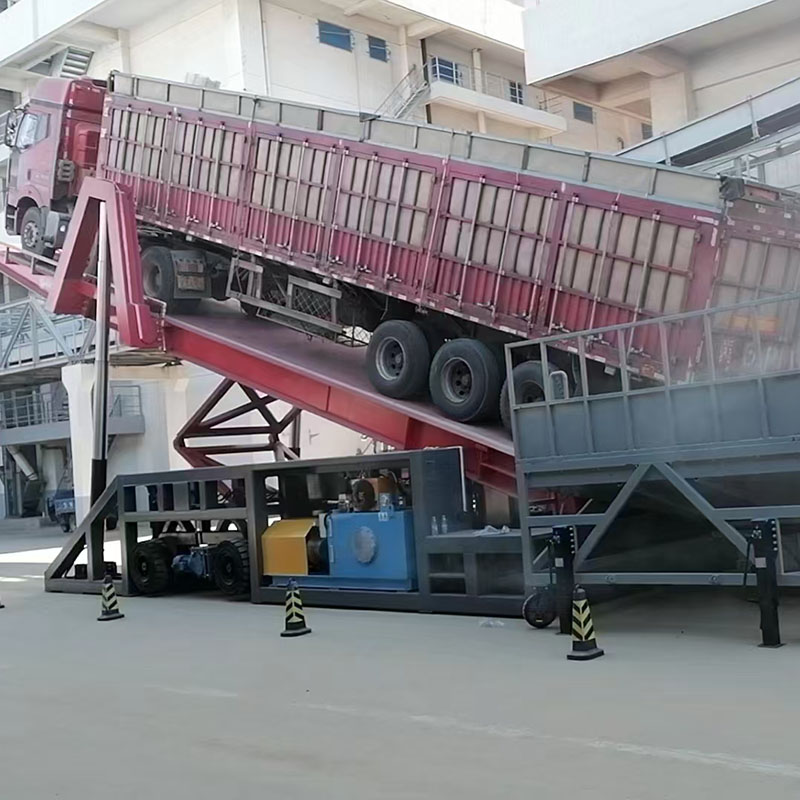
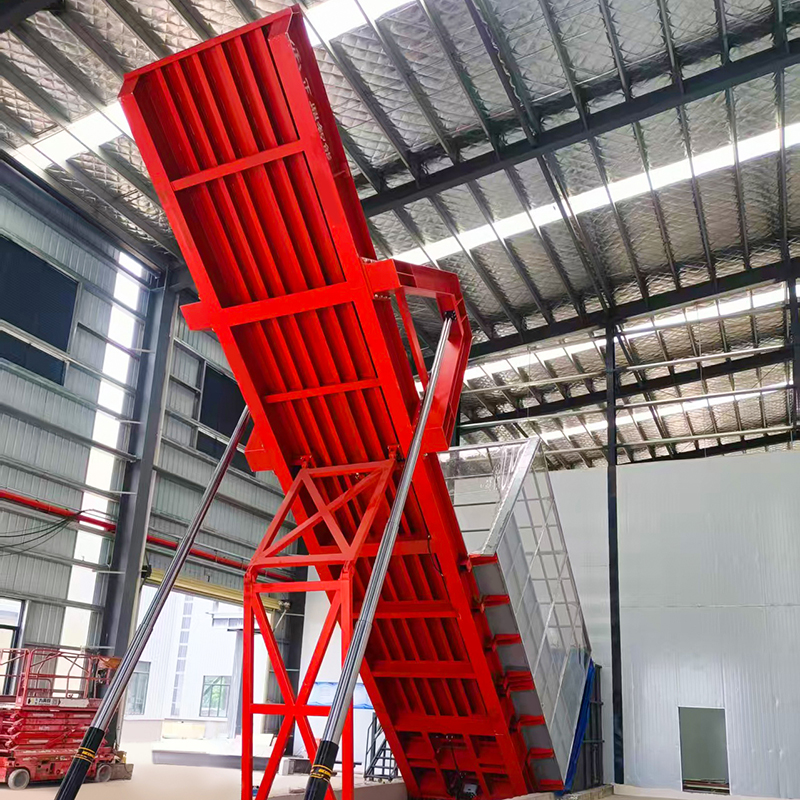
Sideturn truck-dumpers rotate the truck body laterally — typically 90° to 160° — rather than tilting it rearward. This fundamental design difference shifts the mechanical stress distribution compared to rear-dump machines. The swing bearing, lateral tilt cylinder, and side-guide rails carry loads that rear-dump pivot pins never encounter. As a result, the failure distribution is distinct.
Operational data from sideturn dumper installations in mining, grain, and recycling facilities indicates that lateral hydraulic circuit faults account for approximately 38% of service calls, swing-bearing and rotation mechanism issues for 24%, guide rail and alignment problems for 20%, and electrical/control system faults for 18%. Recognizing which category a symptom belongs to immediately narrows the diagnostic field.
Temperature extremes amplify all four failure categories. Cold environments increase hydraulic oil viscosity, raising pump inlet vacuum and accelerating cavitation damage. Hot environments accelerate swing-bearing grease breakdown, reducing lubrication film thickness during peak-load cycles. Facilities in climates with more than 40 °C annual temperature variation report 35% higher component replacement frequency on sideturn dumpers compared to rear-dump units operating in the same environment.
Sideturn Truck-Dumper Hydraulic Repair: Lateral Circuit Diagnosis
The lateral hydraulic circuit powers the tipping cylinder that rotates the truck body sideways. Unlike vertical lift cylinders, lateral tilt cylinders operate with a variable moment arm — load force against the cylinder changes continuously through the rotation arc. This places non-uniform stress on rod seals and piston rings that technicians trained on rear-dump machines may not anticipate.
Diagnosing Slow or Incomplete Lateral Rotation
If rotation slows or stalls before reaching full tip angle, begin at the pump. Connect a calibrated pressure gauge to the pump outlet test port. Most sideturn dumper systems operate between 2,800 and 3,600 PSI under load. A reading below 2,400 PSI indicates either a worn pump or a relief valve set too low. Confirm the relief valve setting matches the OEM specification before adjusting — over-pressurizing to compensate for a worn pump damages seals throughout the circuit.
If pump pressure is correct but rotation is still sluggish, inspect the flow-control valve on the lateral circuit. Contamination in the orifice reduces flow to the tilt cylinder, creating a slow, labored motion. Remove, clean in solvent, blow dry with compressed air, and reinstall. This five-minute procedure resolves approximately 30% of reported slow-rotation complaints on sideturn installations.
Cylinder Seal Replacement on Lateral Tilt Units
Lateral tilt cylinders experience side-loading during mid-arc rotation because the load vector shifts relative to the cylinder axis. This accelerates rod seal wear compared to vertical lift applications. Signs of seal failure include a visible oil film on the rod below the gland, a gradual loss of holding pressure at full tip angle, and oil drips on the ground under the cylinder mid-position. Replace rod seal kits at the first sign of weeping — waiting until visible drip stage typically doubles total repair time because the rod chrome surface becomes scored.
Always replace seals in complete kits (rod seal, wiper, backup ring, and O-ring set) rather than individual components. Replacing only the failed rod seal while leaving the original wiper in place leads to repeat failure within 60–90 days in high-cycle applications.
Checking Hydraulic Counterbalance Valves
Sideturn dumpers use counterbalance valves on the lateral cylinder to prevent uncontrolled descent if a hose fails. A counterbalance valve that is set too high causes slow controlled return; one set too low allows the body to drop too quickly. Test by measuring return-stroke time under rated load against the OEM specification. A time deviation of more than ±15% from specification indicates the counterbalance valve needs adjustment or replacement.
Swing Bearing and Rotation Mechanism Troubleshooting
The swing bearing is the structural heart of a sideturn truck-dumper — it transfers the full weight of the loaded truck from the rotating cradle to the stationary base frame. A failing swing bearing is the most consequential mechanical failure on a sideturn unit and the one most worth investing in early detection.
Early Warning Signs of Swing-Bearing Wear
Listen for grinding, clicking, or irregular rumbling during the rotation cycle with no load. With the machine locked out, measure radial play using a dial indicator mounted on the stationary frame, with the probe tip touching the rotating ring. Acceptable radial play is typically less than 0.8 mm; anything beyond 2 mm in a bearing rated for heavy truck loads indicates replacement is needed within the current maintenance window. Axial play measured at 90° to the bearing face follows similar thresholds.
Grease sampling from the bearing purge points can also reveal internal wear. Metallic particle content exceeding 500 ppm iron in the purged grease is a reliable indicator of raceway damage even before audible symptoms develop.
Swing-Bearing Lubrication Protocol
Swing bearings on sideturn dumpers should be greased every 100–150 operating hours using an NLGI 2 EP (extreme pressure) grease compatible with the OEM seal material. Grease through all zerk fittings while slowly rotating the bearing through its full arc — injecting grease into a stationary bearing concentrates lubricant on one side of the raceway and leaves the opposite side dry. Purge old grease until fresh grease appears at the relief hole, then clean away the excess to prevent dirt adhesion.
Guide Rail Alignment and Side-Rail System Repair
Sideturn truck-dumpers use side-rail guides to constrain truck wheel position during the rotation arc. Misaligned or worn guide rails allow the truck to shift laterally during tipping, creating dangerous asymmetric loading on the bearing and cylinder. Guide rail misalignment is the leading cause of premature swing-bearing failure on sideturn units, often not identified until the bearing itself is inspected.
Checking Rail Geometry
With the cradle in the home (flat) position, measure the distance between opposing guide rail faces at the entry, center, and exit of the cradle using a calibrated tape or laser distance tool. All three measurements should be within ±3 mm of the OEM specified track width. A taper greater than 5 mm from entry to exit indicates a bent or shifted rail section. Check rail anchor bolts for looseness — vibration from loaded truck entry commonly walks anchor fasteners loose within 6–12 months of installation.
Rail Wear Liner Replacement
Most guide rails are fitted with replaceable wear liners — typically UHMW polyethylene or manganese steel — that protect the structural rail from direct truck tire contact. Inspect liner thickness quarterly. Replace liners when wear exceeds 50% of original thickness or when cracks or delamination are visible. Running on bare structural steel rail scores the rail surface and eventually requires costly rail section replacement rather than simple liner swap.
Improve Sideturn Truck-Dumper Unloading Speed and Worksite Efficiency
Beyond fixing failures, optimizing cycle time is often the highest-leverage improvement available to sideturn dumper operators. A single machine processing 250 trucks per day at 4 minutes per cycle occupies 1,000 minutes of productive time — shaving 30 seconds per cycle frees over 2 hours of additional capacity daily.
Cycle Time Optimization Factors
The total cycle time of a sideturn dumper breaks down into five phases: truck positioning, wheel chocking or clamp engagement, rotation to full tip angle, hold at tip (material flow), and return to flat plus truck exit. Analysis of operational data across multiple facility types shows that truck positioning and exit account for 35–45% of total cycle time — the largest single segment — yet it is entirely controlled by traffic flow management, not machine speed.
Implementing a guided truck approach system — physical lead-in rails or painted lane markers extending 15 meters before the dumper entry — reduces average truck positioning time by 18–25 seconds per cycle by eliminating driver correction maneuvers. At 250 cycles per day, this single change recovers over 90 minutes of daily capacity.
Hydraulic Flow Rate Tuning for Faster Rotation
The OEM-set rotation speed is typically conservative to accommodate older or softer truck body designs. If the trucks in service have reinforced bodies rated for faster dump cycles, the flow-control valve on the tilt circuit can be adjusted to increase cylinder travel speed. Most installations have 15–20% additional flow capacity available before reaching structural or safety limits. Always confirm with the machine OEM before adjusting — increasing speed without verifying structural adequacy of the truck body clamping system is unsafe.
Sideturn Truck-Dumper Fuel Saving Tips and Energy Efficiency
For hydraulically powered sideturn dumpers driven by diesel prime movers or electric motors with hydraulic pumps, energy efficiency directly affects operating cost and environmental footprint. Inefficient hydraulic circuits can waste 20–35% of input energy as heat — energy that must then be removed by the oil cooler, creating additional parasitic load.
Reducing Hydraulic Heat Generation
The primary causes of excess heat in sideturn dumper hydraulic systems are: relief valve cracking (where pump flow bypasses to tank unnecessarily), excessive back-pressure in return lines caused by clogged filters or undersized return piping, and internal cylinder bypass due to worn piston seals. Addressing each systematically — checking relief valve crack pressure, replacing overdue return-line filters, and testing cylinder bypass — typically reduces hydraulic operating temperature by 8–15 °C, which extends oil and seal life significantly.
On electrically driven units, installing a variable-frequency drive (VFD) on the pump motor and reducing motor speed during the hold phase (when material is flowing and no cylinder movement is needed) can reduce motor energy consumption by 25–40% during that phase. Given that the hold phase represents 20–25% of each cycle, the cumulative energy saving across a full shift is meaningful.
Oil Cooler Maintenance
Clean the hydraulic oil cooler fins monthly using low-pressure compressed air (never high-pressure water, which bends fins and reduces airflow). A cooler with 30% fin blockage from dust and debris requires the oil to run approximately 12 °C hotter to reject the same heat load — the equivalent of running a completely different, hotter-rated oil grade continuously.
Sideturn Truck-Dumper Safety Checklist and Accident Prevention
Sideturn truck-dumpers present safety hazards that differ from rear-dump equipment. The lateral rotation creates a large swept zone on one side of the machine that must be kept clear of personnel and equipment. Load shift during rotation can occur if cargo is unevenly distributed or if a vehicle has shifted cargo in transit. Every documented fatality involving a sideturn dumper in recorded incident databases has involved either an unguarded swept zone or a failure to engage the truck clamp before initiating rotation.
Pre-Shift Safety Checklist
The following checks must be completed before every operating shift:
- Swept zone barriers: Confirm all physical barriers and warning lights defining the lateral swept zone are in place and functional.
- Truck clamp/wheel chock system: Test clamp engagement force using the built-in pressure indicator — minimum engagement pressure specified by OEM must be confirmed before rotation is permitted.
- Emergency stop buttons: Test all E-stop buttons at operator console and remote panel — confirm rotation halts within 2 seconds of activation.
- Hydraulic fluid level: Check reservoir level and fluid condition — top up with correct grade if below the minimum mark.
- Rotation angle sensors: Confirm PLC angle readout matches physical position of the cradle at home position (0°) and full tip angle.
- Return-to-home interlock: Verify that the system prevents truck release until the cradle has returned to within 2° of the home position.
- Communication system: Test spotter-to-operator communication (radio or hardwire intercom) before the first truck is admitted.
Accident Prevention: Interlock Logic and Operator Discipline
The single most effective accident prevention measure on a sideturn dumper is a hard interlock that physically prevents rotation unless the clamp pressure sensor confirms full engagement. Soft interlocks — warning lights or alarms that the operator must acknowledge — are insufficient and have been implicated in multiple serious incidents where operators bypassed the warning under productivity pressure. If your machine uses a soft interlock only, consult the OEM about upgrading to a hard PLC interlock that cannot be overridden from the operator console.
Sideturn Truck-Dumper Maintenance Tips: Preventive Schedule and Spare Parts
A structured preventive maintenance (PM) program reduces sideturn dumper unplanned downtime by 60–70% within the first year of implementation, based on documented fleet management outcomes. The return is driven by catching wear before it causes cascading damage — a $40 seal kit that prevents a $4,000 cylinder rebuild is a straightforward economic argument.
Recommended Maintenance Intervals
| Interval | Task | Key Check Parameter |
|---|---|---|
| Daily (pre-shift) | Hydraulic fluid level; clamp system test; E-stop test; swept zone barrier check | Fluid at full mark; clamp >min pressure; rotation stops within 2 s |
| Weekly | Grease swing bearing; inspect guide rail liners; check hose condition; clean sensor faces | Fresh grease at purge point; liner >50% original thickness |
| Monthly | Full hydraulic pressure test; bearing radial play measurement; clean oil cooler; inspect wiring harnesses | Pressure within OEM spec ±10%; radial play <0.8 mm |
| Quarterly | Replace hydraulic return filter; inspect cylinder rod chrome; check guide rail geometry; structural weld inspection | No visible pitting on rod; rail geometry within ±3 mm |
| Annually | Full hydraulic oil change (or per oil analysis); swing bearing wear assessment; load cell and angle sensor calibration; full structural MT/PT inspection | Oil TAN, viscosity, and particle count within spec; no cracks detected |
On-Site Spare Parts Inventory Recommendations
Maintaining a minimum spare parts inventory eliminates the most common driver of extended downtime — parts lead times. For a single sideturn dumper installation, a practical minimum inventory includes: one complete lateral cylinder seal kit per cylinder model in service; one set of swing-bearing grease seals; two proximity sensors matching the types fitted to the machine; one hydraulic return-line filter; one set of guide rail wear liners; and one counterbalance valve matching the lateral circuit specification. This inventory typically represents less than 0.4% of the machine's installed value and can prevent multi-day shutdowns.
Sideturn Truck-Dumper Loading Best Practices and Operating Rules
How trucks are loaded before arriving at the sideturn dumper has a direct impact on machine reliability and safety. Uneven load distribution — cargo concentrated on one side of the truck body — creates asymmetric force on the swing bearing during rotation, accelerating wear by as much as 40% compared to centered loads of the same total weight.
Load Centering Guidelines
Brief loading operators at the upstream point on the requirement to center material laterally within the truck body. Even a visual center-loading discipline — no deliberate heaping to one side — reduces lateral load asymmetry to within acceptable limits for most material types. For operations handling dense materials such as ore, scrap metal, or wet aggregate, installing a simple load indicator at the loading station that flags trucks with more than 15% side-to-side weight imbalance before they enter the dumper queue adds a measurable layer of protection.
Truck Entry Speed and Positioning Rules
Establish a firm maximum entry speed — typically 5 km/h (3 mph) — for all trucks entering the dumper cradle. Impact loads from trucks entering at higher speeds shock-load the guide rails and wheel stop bumpers, accelerating structural fatigue. Mark the approach lane with speed indicator lines and conduct monthly compliance checks by observation. Site data consistently shows that enforcing entry speed limits alone reduces guide rail fastener loosening events by over 50%.
Frequently Asked Questions About Sideturn Truck-Dumper Problems
Q1: My sideturn truck-dumper rotates correctly but drifts back 5–10° after reaching full tip angle. What causes this and how do I fix it?
A: Drift-back after reaching full tip angle is almost always caused by a leaking counterbalance valve or a bypassing lateral cylinder piston seal. To distinguish between the two: isolate the cylinder by closing the manual isolation valve on the supply line while the machine is at full tip angle. If drift stops immediately, the fault is in the hydraulic circuit upstream (counterbalance valve). If drift continues after isolation, the cylinder piston seal is bypassing — cylinder repair or rebuild is required. Counterbalance valve replacement is the more common cause, resolving approximately 70% of drift-back complaints. Always vent residual pressure before disassembling any valve component.
Q2: What is the correct torque specification for swing-bearing mounting bolts, and how often should they be re-torqued?
A: Swing-bearing mounting bolt torque specifications vary by bearing size and bolt grade — always consult the OEM documentation for the exact value applicable to your machine. As a general reference, Grade 10.9 bolts in the M24–M30 range commonly used on medium-capacity sideturn dumper swing bearings are typically torqued to 600–900 Nm. Re-torquing is recommended after the first 100 operating hours following installation or any bearing replacement, then annually thereafter. Use a calibrated torque wrench — impact tools do not provide reliable torque control for critical structural fasteners.
Q3: The PLC on our sideturn dumper shows an overload fault even when we are within the rated truck weight. What should we check?
A: An overload fault with an in-specification truck weight most commonly results from one of three causes: load cell calibration drift, a stuck or slow-responding load cell (often due to contamination at the cell mounting points), or PLC parameter corruption that has shifted the overload threshold below the true rated capacity. Start by running the machine with a known, certified test weight and comparing the PLC display against the certified value. If the PLC reads more than 3% above the certified weight, recalibrate all load cells using the OEM-specified procedure. If calibration is correct but faults persist, read the PLC overload setpoint register and confirm it matches the design value in the machine documentation.
Q4: How do I troubleshoot a sideturn dumper that makes a loud bang or jolt at the start of the rotation stroke?
A: A sharp bang or jolt at the start of rotation typically indicates either a sticking directional control valve that suddenly releases, or air trapped in the lateral cylinder. For the valve: inspect the spool for contamination or scoring — a slow-moving spool builds pressure behind it until the pressure finally overcomes static friction, releasing with a jolt. Flush with clean hydraulic oil and cycle 20 times; replace the spool if the symptom persists. For air entrapment: crack the bleed fitting at the cylinder end cap during a slow, no-load rotation stroke and allow air to purge until clear oil flows. Ensuring the hydraulic system is properly filled and bled after any maintenance that opens the circuit prevents this symptom entirely.
Q5: What is the maximum acceptable operating temperature for the hydraulic oil in a sideturn truck-dumper, and what should I do if it is exceeded?
A: Most sideturn dumper hydraulic systems are designed to operate with oil temperature between 40 °C and 70 °C, with a typical alarm threshold at 75–80 °C and a shutdown threshold at 85–90 °C. If operating temperature approaches the alarm threshold: first check that the oil cooler fins are clean and airflow is unobstructed; second, verify that the oil level is correct (low oil means less thermal mass to absorb heat); third, check that the relief valve is not cracking at normal operating pressure (bypass generates significant heat). If temperature cannot be controlled below the alarm threshold after these checks, the cooler may be undersized for ambient conditions — an auxiliary cooler can be added to the return line.
Q6: How do I safely conduct a full operational test of the sideturn truck-dumper clamp system without a loaded truck?
A: Testing the clamp system without a truck requires simulating the resistance that a truck wheel would provide against the clamp jaw. The recommended method is to place a certified load cell or hydraulic load pin between the clamp jaw and a rigid test block anchored to the cradle floor, then engage the clamp and read the clamping force from the load cell display. Compare the measured force against the OEM-specified minimum clamping force for your rated truck weight — typically expressed in kilonewtons (kN). A clamp achieving less than 90% of the specified clamping force must be investigated and restored before the machine returns to service. Inspect the clamp cylinder seals, check clamp hydraulic circuit pressure, and verify the control valve shifts fully to the clamp position before concluding this test.


